
Electric Two-Wheelers Pricing: What Drives Total Ownership Cost

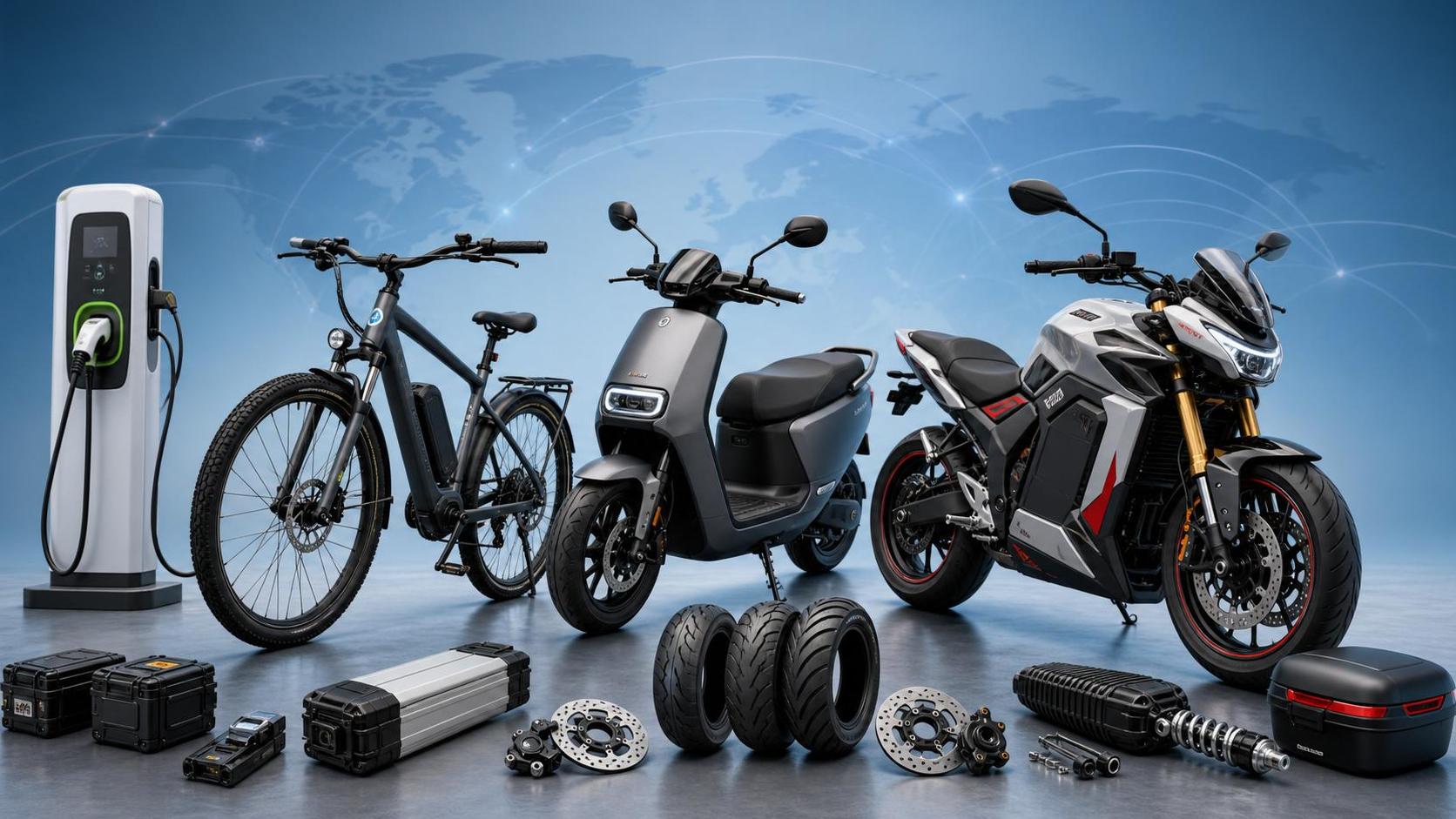
Electric two-wheelers pricing: why the purchase price rarely tells the full story
Electric two-wheelers pricing often looks simple at first glance. One model costs more, another looks budget-friendly, and the comparison appears easy.
In practice, the real decision sits far beyond the invoice. Battery replacement, charging cost, service intervals, insurance exposure, and residual value reshape the economics over time.
That matters even more across e-bikes, smart e-scooters, and high-speed e-motorcycles. Their usage profiles, technical complexity, and regulatory burdens are not the same.
ACMD tracks this market through a broader lens. It links vehicle engineering, lightweight materials, drivetrain precision, and policy shifts to the business reality of low-carbon mobility.
So when people ask about electric two-wheelers pricing, the better question is usually this: what will ownership really cost over three to five years?
What should be included when evaluating electric two-wheelers pricing?
A useful cost view starts with total ownership cost, not headline price. That means combining acquisition, operation, downtime risk, and end-of-life value.
For electric two-wheelers pricing, five cost buckets usually drive the final outcome:
- Vehicle purchase price, including charger, telematics, and accessories.
- Energy cost, shaped by battery size, charging efficiency, and local electricity rates.
- Maintenance cost, including tires, brakes, firmware work, drivetrain wear, and battery health checks.
- Compliance cost, such as registration, licensing, insurance, and safety requirements.
- Residual value, trade-in value, or disposal cost after the use cycle ends.
What gets missed most often is battery timing. A low entry price can turn expensive if the battery needs replacement before the planned ownership cycle closes.
Another overlooked point is downtime. If a vehicle sits idle during repairs, the operational loss can outweigh a modest savings on purchase.
This is where ACMD’s intelligence approach becomes useful. Technical detail, such as thermal management quality or frame durability, can directly affect financial performance.
A quick ownership checklist
Before comparing quotations, it helps to normalize the same cost fields across every option.
Do e-bikes, e-scooters, and e-motorcycles follow the same pricing logic?
Not really. Electric two-wheelers pricing changes by category because the engineering, duty cycle, and legal environment change with it.
E-bikes usually start with lower energy cost and lighter maintenance demand. Yet premium models can carry higher frame, motor, and transmission costs.
That is especially true for advanced designs using carbon fiber frames or high-end drivetrain systems. Lightweight construction improves efficiency, but raises replacement economics.
Smart e-scooters often look attractive because of compact form and low charging cost. Still, wheel wear, battery abuse, vandalism exposure, and software dependence can raise real ownership cost.
High-speed e-motorcycles follow a different model again. They involve larger battery packs, stronger thermal controls, higher insurance, and more serious compliance obligations.
Battery-swapping compatibility may improve uptime, but it also changes cost structure. Instead of simple asset ownership, the analysis may include subscription or network fees.
A good comparison therefore separates vehicle classes before comparing brands. Mixing categories can produce misleading cost conclusions.
Where category differences usually show up
- E-bikes: lower energy cost, but component quality strongly affects lifecycle value.
- E-scooters: low entry cost, but high wear and handling damage can erode savings.
- E-motorcycles: highest capital cost, but potentially stronger utilization and longer route coverage.
Which cost drivers matter most over three to five years?
Battery life usually leads the discussion, and for good reason. Capacity fade, charging behavior, and ambient temperature all influence replacement timing.
However, maintenance cycles often become the hidden second driver. Brake systems, tires, bearings, suspension parts, and electronic controls behave very differently across duty profiles.
Charging economics also deserve a closer look. Cheap electricity does not automatically mean cheap charging if site upgrades, charger losses, or unmanaged peak loads are involved.
Depreciation can be just as important. Vehicles with stable software support, proven battery management, and recognized aftermarket demand generally hold value better.
Insurance varies more than many buyers expect. Higher-speed categories, theft risk, battery fire perception, and local liability rules can all shift the premium.
Policy incentives then act as a balancing factor. Subsidies, tax treatment, and access rules can materially reduce effective ownership cost, but only when eligibility is clear.
ACMD’s market tracking is useful here because policy and engineering interact. A technically efficient vehicle can still underperform financially if regulation limits where or how it operates.
When does a lower quote become the more expensive option?
This happens more often than expected. A lower quote becomes costly when it shifts risk into maintenance, early battery replacement, or poor uptime.
One common case is under-specified batteries. The initial price looks attractive, but the pack degrades faster under repeated heavy use or difficult climates.
Another case is unsupported electronics. If telematics, controllers, or wireless shifting systems lose software support, diagnostics and repairs become slower and more expensive.
Low-cost frames can create a similar issue. In premium mobility segments, structural quality influences ride stability, service life, and even insurance treatment after incidents.
That does not mean the highest price wins. It means electric two-wheelers pricing should be stress-tested against actual use conditions, not brochure claims.
A practical test is to ask what happens under three scenarios: intensive daily use, delayed maintenance, and resale after a shortened ownership cycle.
Warning signs worth checking
- Battery warranty is short or unclear on remaining capacity.
- Replacement parts depend on one narrow distribution channel.
- Software updates are promised, but support duration is undefined.
- The quote excludes charger, accessories, registration, or service tools.
- Residual value assumptions rely on an unproven used market.
How can you compare options without oversimplifying electric two-wheelers pricing?
The cleanest method is to build a common ownership model. Use the same time horizon, mileage assumptions, energy rates, and depreciation rules for every option.
Then separate assumptions into fixed and variable costs. That makes it easier to see whether one model is cheaper because of efficiency or just because key costs were omitted.
It also helps to score non-price factors. Uptime, battery serviceability, data visibility, and regulatory fit can influence real cost even when they do not appear on day one.
For many evaluations, the best next step is not another quote. It is a sharper question set.
In the end, electric two-wheelers pricing becomes easier to judge when each option is mapped to real service life, not marketing language.
A disciplined review should combine engineering evidence, local policy signals, and ownership modeling. That reflects the way ACMD reads the market.
The next practical move is to define expected usage, normalize cost assumptions, and compare category-specific risks before approving any shortlist.
Related News