
Thermal Management Cost Benchmarks for 2026 E-Bike Programs

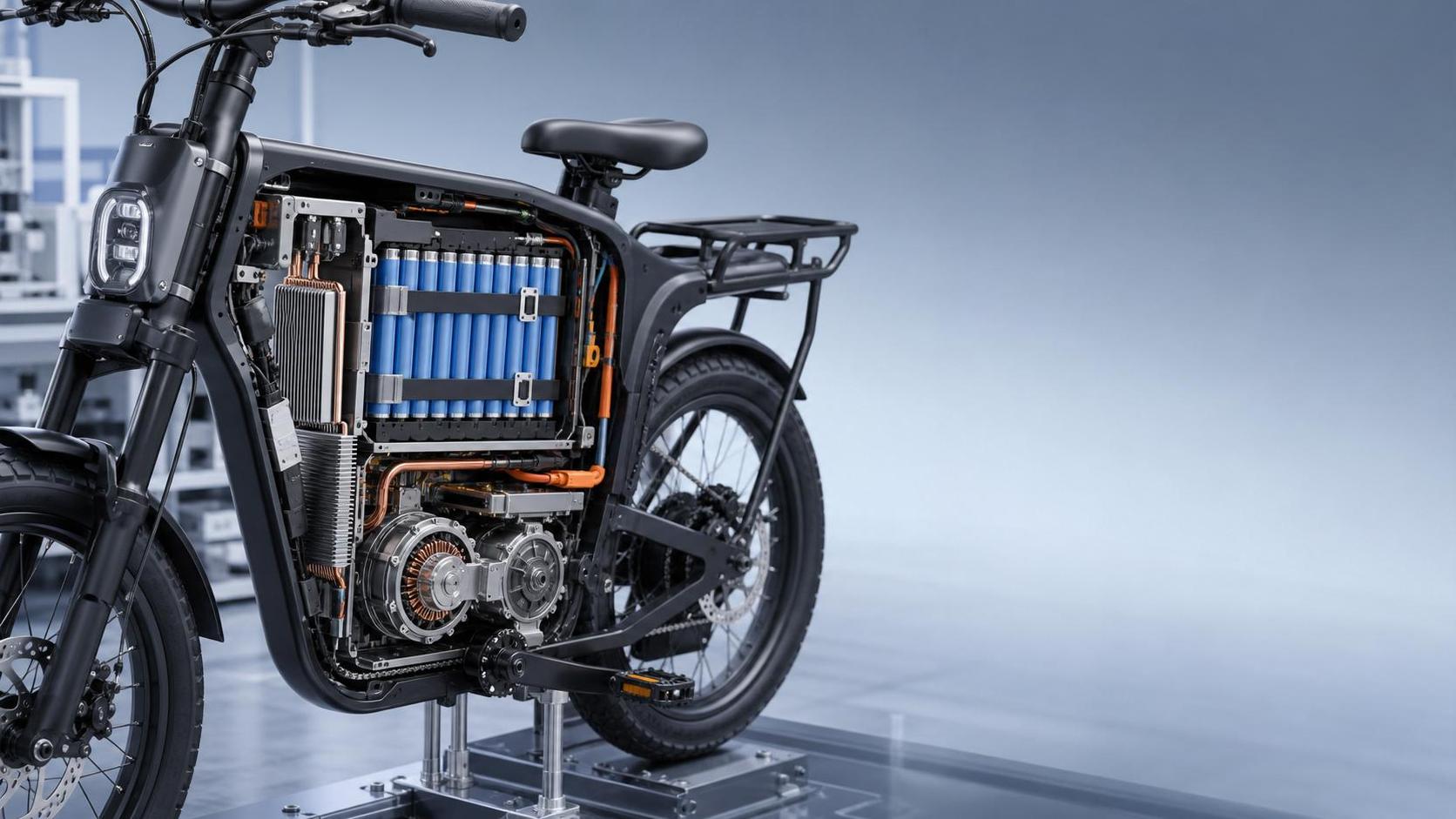
Why thermal management cost is moving to the center of 2026 e-bike planning
Thermal management cost used to sit quietly inside engineering budgets. For 2026 e-bike programs, that is no longer realistic.
Battery density is rising, motors are working harder, and regional safety expectations are becoming more specific. A weak thermal plan now creates visible financial risk.
In practical terms, thermal decisions influence warranty reserves, certification timing, field failure rates, and supplier flexibility. They also shape how much premium performance can be promised.
ACMD has tracked this shift across micro-mobility, drivetrain systems, and lightweight structures. The common pattern is simple: better thermal control protects margin before it improves headlines.
So the useful question is not whether thermal management cost should be reduced. The better question is where cost creates measurable protection, and where it merely adds complexity.
What does thermal management cost actually include in an e-bike program?
Many teams underestimate thermal management cost because they count only parts. In reality, the cost stack is broader and more operational.
At component level, it often includes heat spreaders, interface materials, insulation barriers, venting features, sensor packages, firmware tuning, enclosure changes, and validation tooling.
At program level, it also includes abuse testing, supplier qualification, design iterations, certification support, and the cost of carrying backup sources.
That matters because thermal management cost is rarely isolated inside the battery module. It can spill into frame packaging, controller layout, connector quality, and after-sales service.
A mid-drive urban platform and a high-load cargo bike may use similar cells, yet their heat paths, duty cycles, and required controls differ enough to change the budget materially.
A useful way to frame it is by cost layers:
- Direct BOM cost: materials, sensors, passive cooling parts, sealing, and housings.
- Integration cost: redesign of frame, battery tray, controller position, and cable routing.
- Validation cost: thermal cycling, overload testing, certification preparation, and failure analysis.
- Lifecycle cost: warranty claims, recalls, dealer handling, and reputation loss.
When these layers are separated, procurement discussions become clearer. Cheap hardware can still create expensive thermal management cost across the full program lifecycle.
Where are the 2026 cost benchmarks landing?
Benchmarking works best when it compares architecture, not just price per unit. A low-power city e-bike should not be judged by the same thermal standard as a long-range trekking model.
For 2026 sourcing discussions, a common benchmark range for thermal management cost falls between 2.5% and 6.5% of the electrical system BOM.
Programs near the lower band usually rely on passive solutions, conservative power maps, and modest ambient targets. Programs near the upper band often chase longer climbs, faster charging, or premium durability.
The table below helps translate those ranges into practical judgment points.
These are benchmark bands, not fixed rules. Local regulations, battery chemistry, charging profile, and enclosure material can shift thermal management cost meaningfully.
Which cost drivers deserve the closest attention?
In real sourcing reviews, three drivers explain most thermal management cost variation: battery architecture, usage intensity, and validation burden.
Battery and enclosure choices
Higher energy density usually raises thermal sensitivity. Tighter packaging can improve styling and stiffness, yet it often reduces airflow and serviceability.
Carbon and lightweight frame designs add another layer. They support performance targets, but heat transfer behavior differs from traditional metal structures.
Duty cycle and terrain reality
Thermal management cost climbs quickly when real usage includes hills, cargo weight, repeated acceleration, or high ambient temperatures. Lab assumptions often miss this.
More brands now benchmark against mixed urban and recreational usage rather than a single ideal riding profile. That raises test scope, but reduces surprise later.
Compliance and validation depth
The cheapest thermal design on paper may be the most expensive one to certify. Extra rounds of testing, redesign, and documentation can erase any early savings.
ACMD’s market view across advanced mobility segments shows a similar lesson: validation discipline is often a stronger cost lever than premium material selection alone.
How can you tell whether a low quote is efficient or simply risky?
A low quote is not automatically wrong. Some suppliers genuinely control thermal management cost through mature tooling, standard interfaces, and proven firmware libraries.
The problem starts when a low quote depends on missing assumptions. That usually appears in one of four places.
- Sensor count is reduced below what field diagnostics require.
- Derating logic is vague, untested, or left for later software releases.
- Ambient testing excludes hot-climate transport and storage conditions.
- Responsibility for enclosure redesign sits outside the quoted scope.
A practical screening table helps expose this early.
This is where disciplined procurement becomes valuable. The right comparison is total thermal management cost under real operating conditions, not just quoted hardware price.
What mistakes keep inflating thermal management cost later?
The most expensive mistakes are usually made early, when teams treat heat as a downstream packaging issue instead of a system-level requirement.
One common error is locking frame geometry before validating battery heat behavior. That creates expensive redesign loops once hotspots appear near structural or cosmetic constraints.
Another mistake is choosing premium cells to support range targets, then underfunding sensing and controls. The result looks competitive on paper, but fragile in field use.
Teams also underestimate logistics exposure. Thermal management cost should include hot-weather transport, warehouse soak, and charging behavior after long idle periods.
A final trap is copying benchmarks from e-scooters or high-speed e-motorcycles without adjusting for e-bike ride cadence, assist profile, and frame integration strategy.
Cross-segment intelligence is useful, especially from ACMD’s wider mobility coverage, but the cost logic must still match the platform’s actual thermal load case.
How should 2026 programs build a workable decision framework?
A strong decision framework does not chase the lowest thermal management cost. It defines what level of thermal protection the program must buy, and why.
In practice, the cleanest path is to align four items before supplier negotiation begins.
- Expected ride profile, including hills, payload, charge frequency, and climate range.
- Acceptable derating behavior, expressed in user-visible performance terms.
- Validation scope, including storage, transport, and abuse conditions.
- Ownership map for enclosure, firmware, diagnostics, and warranty response.
Once those items are fixed, thermal management cost becomes easier to benchmark. It also becomes harder for hidden exclusions to slip into sourcing decisions.
For 2026 programs, the better benchmark question is this: does the proposed cost level reduce downstream volatility enough to protect margin and launch timing?
If the answer is unclear, the next step is not more negotiation. It is tighter scenario definition, side-by-side supplier comparison, and a documented thermal risk review.
That approach usually produces a more credible number, a faster approval cycle, and fewer surprises after production release.
Related News