
When do urban transport electrification solutions lower fleet costs?

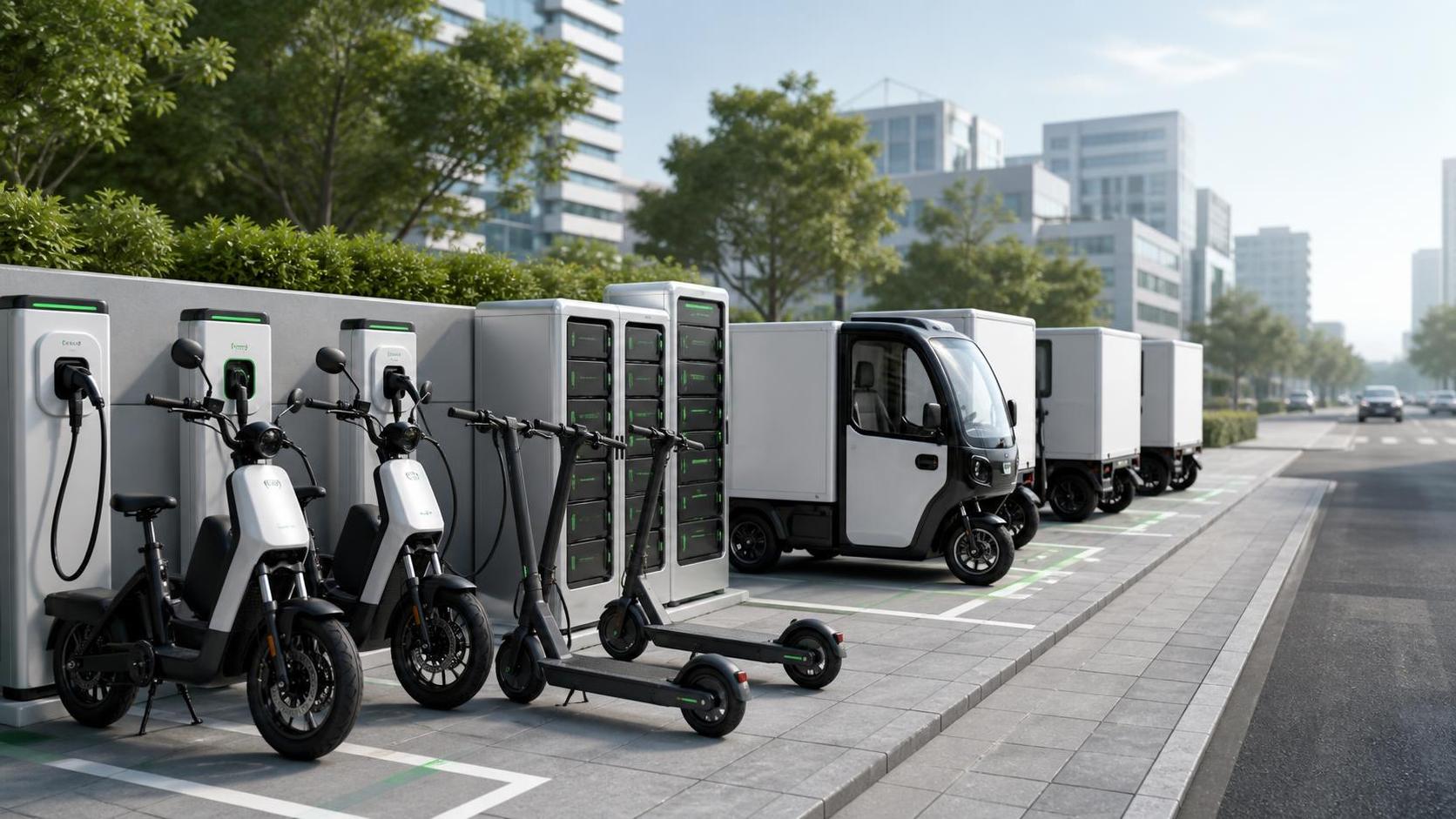
If you are evaluating urban transport electrification solutions, the cost question usually comes down to one point: when does a higher purchase price stop mattering because the fleet becomes cheaper to run? In practice, that happens when vehicle utilization is high enough, fuel and maintenance savings are real in your operating pattern, and the charging or swapping model fits daily duty cycles without creating downtime. Electrification does not lower fleet costs for every operator at the same moment. It lowers costs when the total operating system is ready for it.
That distinction matters because many procurement teams still compare electric fleets to internal combustion fleets as if the decision were only about unit price. It rarely is. What changes the economics is the mix of energy cost, service intervals, asset life, route design, labor, policy support, and residual value risk.
A short answer is this: urban fleets usually begin to see a cost advantage when vehicles run frequent stop-start routes, cover predictable daily mileage, return to base reliably, and operate in cities where fuel, emissions compliance, parking, or access restrictions are already expensive. That is why e-bikes, e-scooters, light cargo vehicles, and electric motorcycles often reach economic viability sooner than larger, long-range urban assets.
Where the cost curve actually turns
The break-even point for electrification is not a single industry number. It is an operating threshold. In most real procurement reviews, three variables decide whether the math starts working.
First is annual utilization. A lightly used fleet often struggles to recover the higher upfront capital cost of electrified assets. A heavily used fleet can recover that premium faster because every extra operating hour gives the business more exposure to lower energy and maintenance costs. This is why urban delivery, campus logistics, municipal patrol, and high-frequency service fleets are often first movers.
Second is route predictability. Urban electrification works best when planners know the daily range window with reasonable confidence. A vehicle that runs 30 to 80 km per day on repeatable routes is much easier to electrify economically than one with unpredictable dispatches, irregular payload changes, or emergency redeployment. Procurement teams often focus on maximum range, but cost discipline usually comes from matching battery size to actual use, not from buying the biggest pack available.
Third is operational friction. An electric fleet with poor charging discipline, weak uptime planning, or mismatched vehicle selection can become more expensive than the conventional fleet it replaces. The savings are real only when the operating model is mature enough to capture them.
Urban transport electrification solutions save money fastest in dense, repetitive use cases
There is a reason urban micro-mobility is at the front of the electrification wave. Dense cities reward small, efficient vehicles. Stop-start driving favors electric drivetrains. Low-speed logistics does not need oversized powertrains. And when curb space, emissions rules, and congestion costs tighten, the business case becomes less theoretical and more immediate.
In two-wheeled and light urban fleets, the economics can move earlier than many buyers expect. Electric bicycles for service teams, last-mile delivery fleets, and campus operations can replace van trips or reduce motorcycle fuel spend in specific route clusters. Smart e-scooters can make sense in controlled shared systems or corporate mobility programs when fleet visibility, geofencing, and theft control are already built into operations. High-speed e-motorcycles become more compelling when daily mileage is high, fuel costs are volatile, and battery support infrastructure is reliable.
That does not mean every electric two-wheel platform is automatically cheaper. Premium components, battery replacement policies, charging labor, and crash damage rates can quickly alter the calculation. This is one area where procurement teams need mechanical and operational literacy, not just sustainability targets.
At ACMD, this is exactly where specialized market intelligence tends to matter most: not in generic claims about decarbonization, but in understanding how battery systems, lightweight materials, drivetrain performance, and urban operating conditions affect real fleet economics across e-bikes, e-scooters, and electric motorcycles.
The common mistake: using purchase price as the main comparison
Many organizations still ask vendors a narrow question: “What is the acquisition cost difference?” That is useful, but it is not the procurement question that determines long-term value.
A more useful comparison looks at total fleet cost over a defined period, usually three to five years depending on the asset class. That comparison should include:
- Vehicle purchase or lease cost
- Charging or battery-swapping infrastructure
- Fuel versus electricity cost
- Preventive maintenance and unscheduled repairs
- Battery replacement assumptions, where relevant
- Insurance and damage rates
- Downtime and vehicle availability
- Residual value or end-of-life disposal risk
- Subsidies, tax treatment, or local incentive support that can be verified officially
The turning point often appears when buyers shift from “What does this vehicle cost?” to “What does one usable fleet hour cost?” That framing exposes whether electrification is reducing ownership cost or just moving spend from fuel budget to capex budget.
Maintenance savings are real, but they are easy to overstate
Electric fleets generally have fewer moving parts than internal combustion fleets. That can reduce routine service complexity, especially in urban duty cycles with heavy braking and idling. But buyers should be careful with oversimplified maintenance claims.
The maintenance benefit depends on asset type and fleet discipline. For example, an electric two-wheeler may save on engine-related service, but harsh urban use can still drive tire wear, brake wear, damage claims, connector issues, and battery degradation concerns. In shared or distributed fleets, the maintenance burden may shift from engine service to fleet recovery, charging logistics, software diagnostics, and parts standardization.
Experienced buyers usually ask for service data by failure category, not just a headline maintenance percentage. If a vendor cannot separate routine mechanical work from battery, electronics, and collision-related service, the cost model is incomplete.
When battery economics help, and when they do not
Battery costs have improved over time, but that alone does not guarantee lower fleet cost. The practical question is whether the battery configuration matches the job.
A right-sized battery can lower energy cost and support healthy asset utilization. An oversized battery raises capital cost and vehicle weight without creating enough operational value. An undersized battery can force mid-shift charging, reduce route flexibility, and create labor inefficiency. Both mistakes are common.
Battery-swapping can improve uptime for fleets that cannot tolerate charging delays, especially in high-cycle electric motorcycles or urban delivery operations. But swapping only works economically when there is dependable network coverage, standardization, battery accountability, and clear ownership of the battery asset. Without that, the model becomes operationally elegant on paper and expensive in practice.
For e-bikes and lighter urban assets, removable battery workflows may be more practical than fixed charging infrastructure, particularly in older city buildings or distributed depots. Again, the economics come from fit, not from the label on the technology.
Policy can accelerate savings, but it should not be the whole business case
Subsidies, tax credits, low-emission zone access, preferential parking, and procurement incentives can materially improve the economics of urban transport electrification solutions. In some cities, these are strong enough to move a borderline project into a clear yes.
Still, a fleet program that only works because of a temporary incentive is fragile. Good procurement teams model two cases: one with current incentives and one without them. If the economics collapse the moment support changes, the investment carries more policy risk than many internal presentations admit.
The same caution applies to regulation. Low-emission zones and access restrictions can favor electrified fleets, but the timing and enforcement details vary by jurisdiction. Those details need to be verified against official local sources before they are treated as cost assumptions.
Not every fleet should electrify immediately
This is where a lot of articles become too neat. Some fleets should wait.
If your routes are highly variable, daily mileage is uncertain, charging access is poor, and asset downtime is already expensive, forcing electrification too early can raise cost instead of lowering it. The same is true if your team lacks the operating controls to manage charging windows, telematics, duty-cycle planning, and battery handling.
Electrification can also be a weak fit when payload requirements keep drifting upward. Urban fleets often start by assuming a light electric platform will be enough, then discover the operation has quietly become dependent on extra load margin, longer shift coverage, or weather resilience that the selected asset class does not handle well.
Waiting is not failure if the waiting period is used to gather route data, run a pilot, or redesign the fleet mix. In procurement, a delayed good decision is cheaper than a rushed bad one.
What a serious buyer should validate before signing
In real fleet reviews, the most useful questions are usually the least glamorous ones.
- What is the actual daily mileage distribution across the fleet, not just the average?
- How many vehicles return to base consistently enough for planned charging?
- What percentage of maintenance cost comes from powertrain-related work today?
- What happens to service continuity if one charger bank or battery batch fails?
- How is battery health measured, warranted, and priced at replacement?
- What is the vendor’s spare parts lead time and field service capability?
- Are there local incentives that are confirmed, current, and operationally relevant?
Buyers who skip these questions often end up negotiating vehicle price aggressively while ignoring the items that determine actual ownership cost.
For teams sourcing in the urban micro-mobility and performance two-wheel space, supplier evaluation also needs a more technical lens. Battery thermal behavior, drivetrain reliability, frame durability, component interoperability, and electronics robustness all affect fleet economics over time. This is one reason decision-makers often rely on sector-specific intelligence platforms such as ACMD when they need to compare not just products, but the deeper engineering and market signals behind them.
The best starting point is usually a narrow pilot, not a full conversion
When procurement leaders ask when electrification lowers fleet costs, the honest answer is often: after you prove it on the right slice of the fleet first.
A pilot should not be symbolic. It should be financially structured. Pick a route cluster with stable usage, measurable fuel spend, known maintenance history, and clear downtime records. Compare electric and conventional vehicles over the same operating period. Use actual duty cycles, not brochure assumptions. If possible, include one stress scenario such as high-temperature operation, peak delivery periods, or weekend underutilization.
That approach gives you something far more useful than a generic sustainability narrative. It gives you a procurement-grade cost model.
When urban transport electrification solutions lower fleet costs, they usually do so because the buyer has matched the technology to a disciplined operating case: dense routes, high utilization, manageable charging, realistic battery assumptions, and verified policy support. If those pieces are missing, electrification may still be strategically necessary, but the savings will arrive later than expected.
That is the real decision standard. Not whether electrification sounds efficient, but whether your fleet conditions are ready to make it cheaper.
FAQ
How long does it usually take for an electric urban fleet to reach cost parity?
There is no universal timeline. It depends on mileage, fuel prices, maintenance profile, infrastructure cost, and asset uptime. High-use urban fleets tend to close the gap faster than low-use fleets.
Are e-bikes and e-scooters more cost-effective than electric vans?
In short-distance, dense urban routes, often yes. They can reduce energy use, parking friction, and maintenance complexity. They are a poor fit when payload, weather exposure, or route flexibility demands are too high.
Should incentives decide the purchase?
They should improve the case, not create the entire case. If the model only works with short-term support, the procurement risk is higher.
What is the most overlooked cost in electrification projects?
Downtime caused by weak charging design or poor route fit. Many teams model energy savings carefully and under-model operational disruption.
Is battery swapping always better for fleet uptime?
No. It helps only where network coverage, asset control, and battery accountability are already strong. Otherwise it can add complexity and cost.
Internal link anchor text suggestions
- electric bike fleet total cost of ownership: link to a buyer guide or cost comparison page
- smart e-scooter procurement checklist: link to a product evaluation or operations page
- electric motorcycle battery swapping economics: link to a market analysis or technology explainer
- urban micro-mobility policy and subsidy tracking: link to a regulatory updates page
- lightweight materials in electric two-wheel design: link to a technical insights page
External authority source directions
- municipal or national transport authority pages covering urban emissions rules, access restrictions, and fleet electrification incentives
- industry association reports on total cost of ownership for electric fleets and urban mobility assets
- manufacturer or battery supplier technical documentation on warranty terms, charging behavior, and battery life management
Related News