
When do carbon fiber composite panels justify their higher cost?

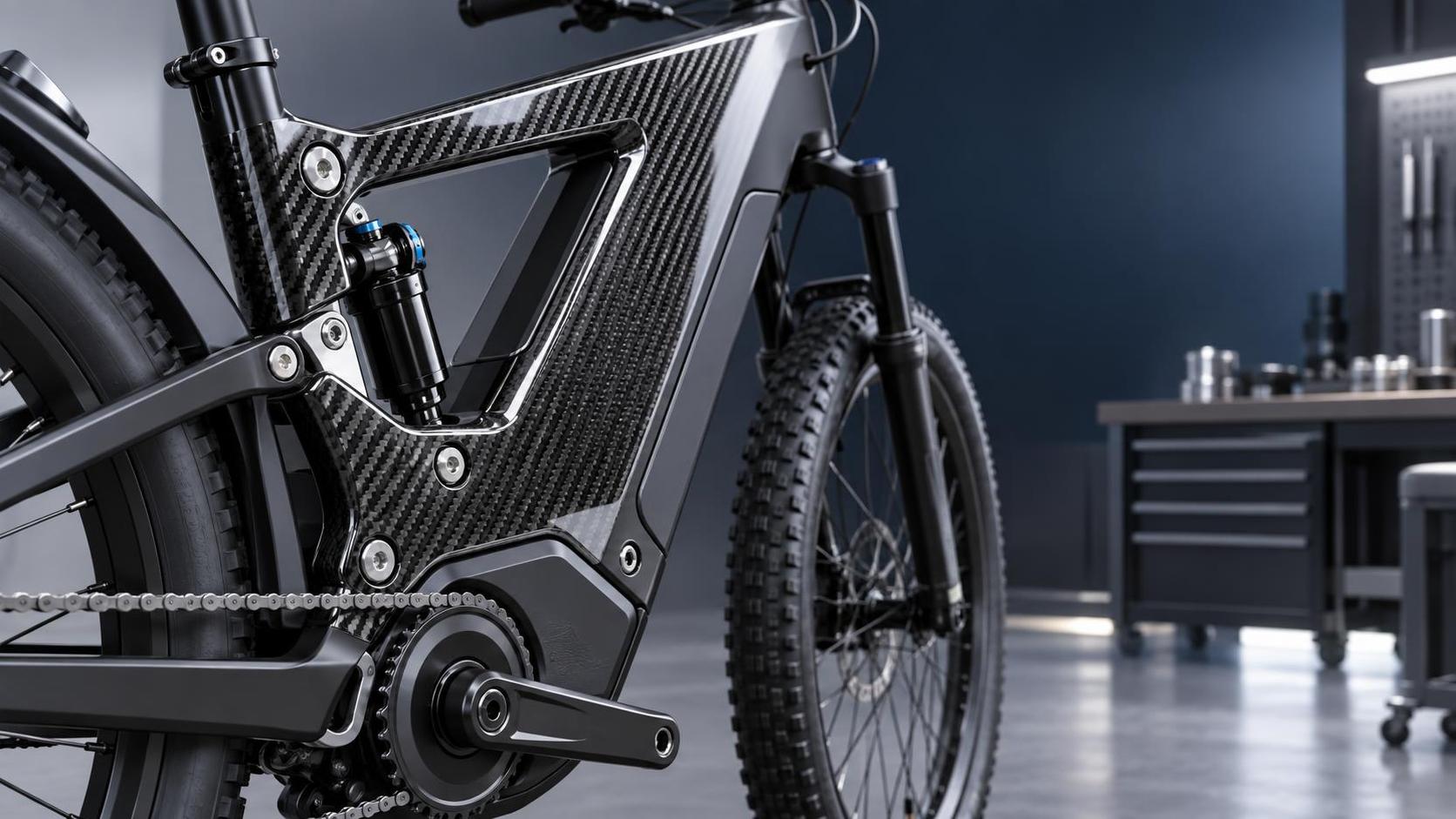
Carbon Fiber Composite Panels: When Their Higher Cost Pays Back
Introduction. Carbon fiber composite panels justify their higher cost when they create measurable value through lower mass, improved durability, better performance, reduced maintenance, or stronger product-market positioning.
For procurement teams, the correct comparison is rarely panel price alone. The decision should compare total ownership cost, engineering consequences, production risk, and revenue potential over the product lifecycle.
Carbon fiber composite panels are not an automatic upgrade for every enclosure, vehicle structure, machine cover, or lightweight assembly. They perform best where conventional materials create meaningful constraints.
The strongest business case usually appears when weight reduction affects energy use, payload, acceleration, handling, installation labor, corrosion exposure, or customers' willingness to pay for premium equipment.
Start With the Commercial Question, Not the Material Preference
Buyers should first define the operational problem that a carbon fiber panel must solve. “Lighter” is an attribute, but it is not yet a procurement justification.
A useful sourcing question is: what cost, risk, performance limitation, or market requirement remains unresolved if the current aluminum, steel, fiberglass, or plastic panel remains in place?
If the answer is only aesthetic differentiation, carbon fiber may still be appropriate for luxury products. However, the commercial case depends heavily on brand strategy and customer demand.
If the answer includes reduced battery consumption, higher payload, faster cycle time, lower corrosion-related replacement, or superior stiffness, the case becomes easier to quantify.
Procurement professionals should ask engineering teams to translate material properties into system-level outcomes. A panel specification should identify which performance metric improves and why that improvement matters commercially.
For example, a lighter access panel on a stationary industrial cabinet may have little financial impact. A lighter structural panel on an e-bike, e-motorcycle, or aircraft-related assembly can affect several costs.
That distinction prevents an expensive material from being specified because it sounds advanced. It also identifies situations where carbon fiber composite panels support a defensible premium purchase decision.
Weight Savings Must Change System Economics
Weight reduction is the most visible benefit of carbon fiber composite panels, but its value depends on where mass is removed and how the surrounding system responds.
Carbon fiber reinforced panels can offer a high stiffness-to-weight ratio, allowing selected components to meet structural requirements with less mass than metal alternatives.
In electric bicycles, scooters, and high-performance e-motorcycles, lower mass can improve acceleration, braking response, maneuverability, and perceived product quality. These are marketable customer benefits.
For battery-powered mobility products, reduced vehicle mass may also reduce energy demand per trip. That can support longer practical range, smaller battery requirements, or improved performance margins.
The savings become more meaningful when mass reduction cascades through the design. A lighter structure may enable smaller brackets, lower suspension loads, reduced motor demand, or revised battery sizing.
Procurement should request a mass budget rather than accept a single-component comparison. The relevant figure is the total system mass reduction, not simply kilograms removed from one panel.
A supplier quotation should therefore be evaluated alongside engineering evidence showing whether the panel replaces multiple parts, eliminates reinforcements, or reduces assembly hardware and related labor.
When a carbon panel only replaces a low-cost cosmetic cover without changing design architecture, the financial return may be limited. When it enables a lighter system, the business case improves materially.
Structural Performance Can Replace Complexity
Carbon fiber composite panels often justify their price when their stiffness, directional strength, and geometric freedom remove complexity elsewhere in the assembly.
Unlike isotropic metals, composite laminates can be engineered with fiber orientations that reinforce the loads a component actually experiences. This creates useful design flexibility for specialized applications.
A well-designed panel can combine skin, reinforcement, mounting features, and aerodynamic shaping into fewer parts. Fewer components can mean lower assembly time and fewer tolerance-related failures.
This benefit is particularly relevant for monocoque mobility structures, precision instrument housings, drone assemblies, advanced sporting equipment, and vibration-sensitive mechanical systems.
However, composite performance is not guaranteed by material selection alone. Layup design, resin selection, core configuration, bonding method, and quality control determine real-world structural reliability.
Buyers should avoid comparing a generic carbon laminate datasheet with a finished aluminum part. The comparison must include thickness, load cases, deflection limits, fastening points, impact exposure, and safety factors.
For structural use, require clear test documentation. This may include tensile testing, flexural testing, compression behavior, fatigue data, impact performance, environmental conditioning, and bonding validation.
The premium is justified when engineering can show that fewer parts, lower deflection, improved fatigue life, or enhanced handling produces a larger value than the additional panel purchase cost.
Corrosion and Environmental Resistance Can Lower Lifecycle Cost
Carbon fiber composite panels can deliver attractive lifecycle value in wet, salty, chemically exposed, or outdoor environments where metal panels need protective treatments and ongoing inspection.
Steel panels may require coating, painting, galvanizing, or corrosion management. Aluminum offers better natural resistance, but can still face galvanic concerns, surface damage, and specific chemical exposures.
Composite panels do not rust, and properly selected resin systems can resist moisture and many corrosive environments. This can reduce replacement frequency and cosmetic degradation.
For coastal e-bike fleets, marine-adjacent mobility systems, outdoor equipment, and specialized enclosures, lower corrosion-related maintenance can outweigh a higher initial material cost over several years.
The assessment should remain application-specific. Carbon fibers are electrically conductive, and contact with certain metals can create galvanic corrosion if insulation, coatings, or suitable fasteners are not specified.
Buyers should ask suppliers how the panel performs under UV exposure, temperature cycling, humidity, salt spray, cleaning chemicals, and expected impact conditions. Resin selection matters substantially.
Lifecycle costing should include finish maintenance, corrosion inspection, replacement labor, downtime, warranty claims, and the reputational cost of visible product deterioration in premium customer segments.
When environmental durability eliminates recurring service work or field failures, carbon fiber composite panels may become less expensive than metal alternatives over the product's usable life.
Premium Products Need a Clear Customer Value Story
In high-end cycling, competitive two-wheel gear, aerospace-related components, and performance mobility products, carbon fiber can support pricing power beyond its direct technical function.
Customers often associate carbon fiber with lightweight engineering, racing heritage, advanced manufacturing, and product exclusivity. That perception can help brands differentiate in crowded premium categories.
Yet procurement should not treat visual carbon weave as an automatic commercial advantage. The material must support an authentic product story backed by meaningful engineering performance.
A premium e-bike frame, carbon battery cover, aerodynamic fairing, or drivetrain-adjacent component is more credible when it improves stiffness, weight, appearance, or integration simultaneously.
Commercial teams should estimate whether the material enables a higher selling price, improved conversion rate, stronger dealer interest, or access to a previously unreachable customer segment.
The analysis should separate retail price potential from actual gross-margin improvement. A high-value-looking panel is not profitable if scrap, labor, warranty exposure, and inventory complexity consume the uplift.
For limited editions and low-volume performance products, carbon fiber composite panels can be particularly attractive because customer willingness to pay may exceed the manufacturing premium.
For price-sensitive commuter products, concealed carbon panels often offer weaker commercial returns unless they contribute directly to range, reliability, safety, or regulatory compliance.
Production Volume Determines Whether the Cost Curve Works
Production volume is one of the most important factors in determining whether carbon fiber composite panels are commercially justified. Manufacturing processes carry very different cost structures.
Hand layup, vacuum bagging, prepreg curing, resin infusion, compression molding, and automated fiber placement each create different tradeoffs among tooling cost, cycle time, repeatability, and labor.
Low-volume applications can tolerate higher unit costs because composite tooling may be less burdensome than complex metal stamping dies. Design freedom can also reduce prototype iterations.
At medium volume, procurement should examine whether a stable panel geometry and repeat demand justify dedicated molds, automated cutting, faster curing, or more controlled molding methods.
At high volume, carbon fiber may remain justified for premium performance models, but buyers must scrutinize capacity, automation potential, yield rates, and supply continuity carefully.
Metal often retains an advantage for high-volume commodity products because its material availability, process maturity, recycling routes, and production throughput are well established.
A reliable should-cost model includes raw fiber, resin, core materials, consumables, labor, molding, trimming, finishing, inspection, scrap, packaging, logistics, and quality-related overhead.
Do not rely on a supplier's piece-price quotation alone. Request assumptions about annual volume, batch size, yield, cure time, tooling amortization, and whether post-processing is included.
Quality Consistency Is a Procurement Requirement
A carbon fiber panel that performs well in prototypes but varies across production batches can become an expensive supply-chain problem. Process discipline matters as much as material selection.
Common quality risks include voids, resin-rich areas, dry spots, fiber misalignment, inconsistent thickness, cosmetic defects, delamination, poor bonding surfaces, and inaccurate machining.
These defects may affect appearance, mechanical performance, or long-term durability. Their importance depends on whether the panel is cosmetic, semi-structural, load-bearing, or safety-critical.
Buyers should define acceptance criteria before supplier nomination. Requirements should cover dimensions, surface finish, fiber pattern expectations, weight tolerance, structural test samples, and traceability.
For critical applications, supplier qualification should include factory audits, first-article inspection, process capability reviews, material certificates, incoming inspection controls, and corrective-action procedures.
It is also important to confirm how suppliers manage resin shelf life, prepreg storage, curing records, mold maintenance, and operator training. These controls influence repeatability directly.
Carbon fiber composite panels justify their premium more reliably when a supplier can demonstrate consistent output, documented process control, and realistic remedies for nonconforming parts.
Compare Repairability, Replacement, and End-of-Life Realistically
Carbon composites can be durable, but their damage behavior differs from metal. Buyers should account for repair pathways, field inspection requirements, and replacement economics before finalizing specifications.
Metal panels may dent visibly and can sometimes be reshaped easily. Composite panels may retain their form after an impact while experiencing hidden internal cracking or delamination.
For exposed mobility components, define the expected damage scenarios. Consider falls, curb strikes, road debris, shipping damage, fastening overload, improper service, and accidental chemical exposure.
Some composite structures can be repaired successfully by qualified technicians. Others are designed for replacement because repair cost, certification requirements, or cosmetic standards make field repair impractical.
Procurement should establish spare-part availability, repair instructions, inspection methods, replacement lead times, and warranty responsibility. These items are part of total cost, not afterthoughts.
End-of-life treatment also deserves review. Carbon fiber recycling pathways are developing, but they are less standardized than conventional metal recycling in many markets.
This does not automatically disqualify composites. It means sustainability claims should be specific, supported by supplier information, and balanced against operational energy savings and extended product life.
A credible decision weighs the panel's entire lifecycle rather than assuming that lightweight construction is inherently lower impact in every product category.
Use a Practical Procurement Decision Framework
The most effective way to assess carbon fiber composite panels is to score them against alternatives using commercial, technical, operational, and supply-chain criteria.
Begin with the baseline material. Record the current component weight, cost, warranty rate, corrosion history, assembly time, structural performance, finishing requirements, and expected replacement frequency.
Next, quantify the composite alternative. Include panel mass, system-level mass effect, unit price, tooling investment, lead time, qualification cost, production yield, and projected service requirements.
Then assign a monetary value to performance gains. This may include battery savings, increased payload, reduced assembly labor, lower field failures, higher selling price, or avoided compliance risk.
Use more than one scenario. A low-volume launch, expected-volume program, and high-volume expansion case can reveal whether the decision remains sound when demand changes.
Risk-adjust the analysis by considering fiber and resin availability, currency exposure, supplier concentration, transportation time, quality escapes, and the cost of redesign if supply is interrupted.
Finally, distinguish mandatory value from optional value. A carbon panel may be essential for stiffness or weight compliance, while its visual appeal is an additional but less certain benefit.
This framework keeps discussion focused on evidence. It also helps procurement align engineering, finance, product management, manufacturing, and suppliers around the same decision criteria.
Questions to Ask Before Issuing a Request for Quotation
A strong RFQ for carbon fiber composite panels should state the panel's intended function, load conditions, environmental exposure, cosmetic requirements, annual volume, and target launch date.
Ask suppliers to identify the proposed fiber type, weave or unidirectional architecture, resin system, core material, curing process, nominal thickness, and expected dimensional tolerance.
Request a breakdown of tooling ownership, prototype pricing, recurring unit pricing, annual capacity, minimum order quantity, scrap assumptions, quality controls, and production lead times.
For performance applications, ask what validation has been completed for fatigue, impact, heat, humidity, UV resistance, vibration, and fastening durability under realistic operating conditions.
Clarify whether the quoted finish includes clear coat, paint-ready preparation, visible weave alignment, edge sealing, inserts, bonded hardware, drilling, trimming, and final inspection.
Also ask whether alternate raw material sources have been qualified. Carbon fiber supply can be concentrated, and a dual-source strategy may reduce disruption risk for growing programs.
Suppliers that answer these questions clearly are more likely to understand industrial production requirements. Vague claims about “aerospace-grade carbon” should not substitute for evidence.
Conclusion: Buy Carbon Fiber for Outcomes, Not Image Alone
Carbon fiber composite panels justify their higher cost when they improve the economics of the complete product, rather than simply making an individual part look more advanced.
The most compelling applications combine several benefits: meaningful weight reduction, structural efficiency, corrosion resistance, fewer assembled parts, lower lifecycle service costs, and premium market differentiation.
They are especially valuable in high-performance mobility, aerospace-adjacent equipment, precision mechanical systems, and premium two-wheel products where every kilogram and stiffness gain has consequences.
They are less compelling for commodity applications where weight has little operational value, production volumes demand extremely low unit costs, or service environments favor simple metal repair.
For procurement professionals, the decision should rest on a documented total-cost model, verified technical requirements, qualified supplier capability, and a realistic estimate of commercial upside.
When those factors align, carbon fiber composite panels are not merely an expensive material choice. They become a strategic component that supports performance, durability, and profitable product differentiation.
Related News