
How Geofencing Technology Improves Micromobility Fleet Control

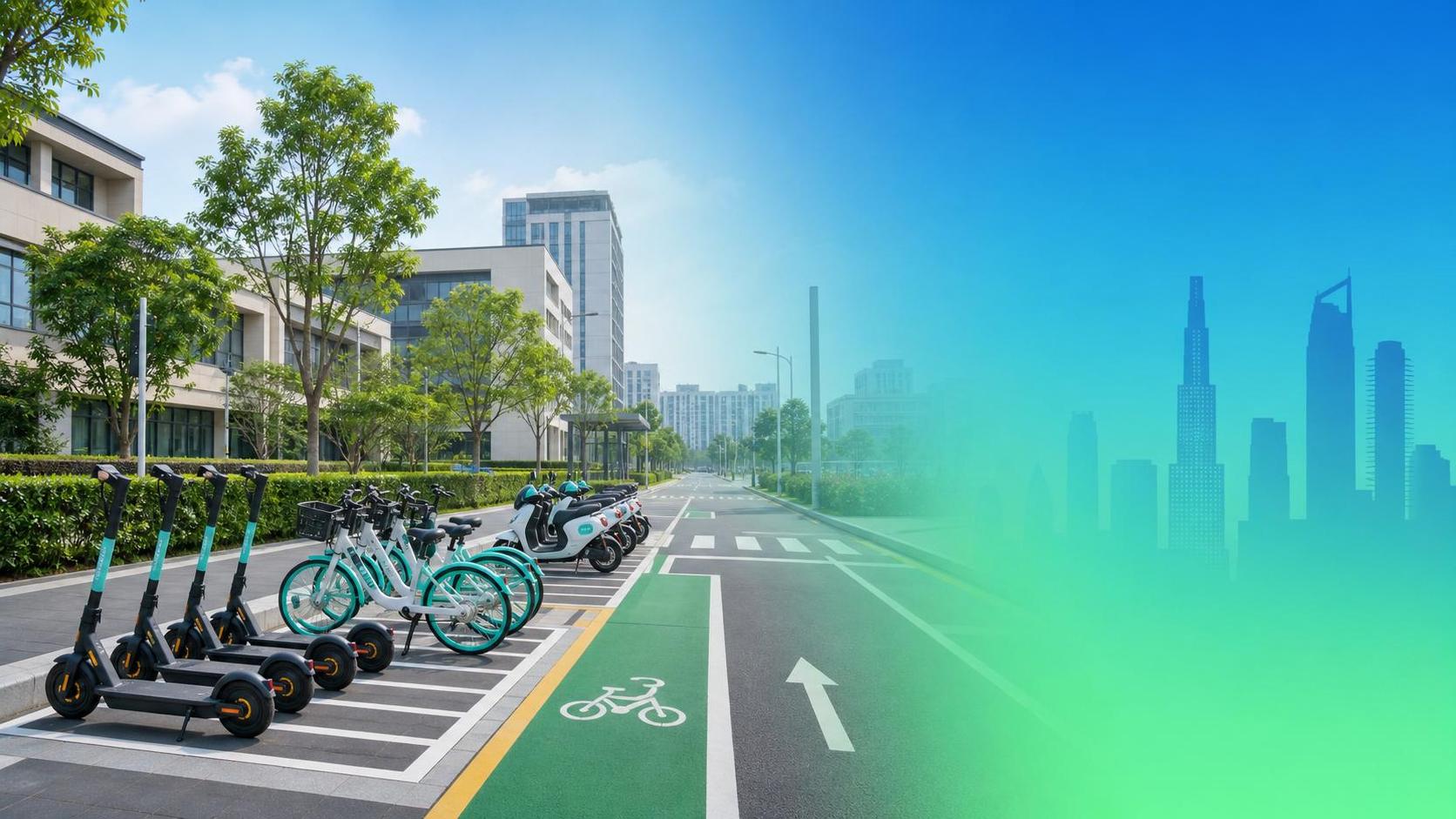
Why geofencing technology for micromobility matters in real fleet control
Geofencing technology for micromobility has moved beyond a tracking feature. It now shapes how shared fleets behave in crowded, regulated, and fast-changing urban networks.
That shift is especially visible across e-bikes, smart e-scooters, and light electric motorcycles. Each vehicle type faces different street rules, parking pressure, and rider expectations.
In practical operations, the value comes from control at the edge. A digital boundary can slow a scooter near schools, block parking near transit gates, or guide rebalancing crews toward underused zones.
For ACMD, this is not only a software topic. It sits at the intersection of urban policy, lightweight vehicle design, embedded electronics, and the broader low-carbon mobility chain.
The best geofencing technology for micromobility supports cleaner deployment decisions, tighter compliance, and more predictable service quality. The wrong setup creates rider frustration, weak enforcement, and wasted field labor.
Actual deployment conditions change what the system must do
Different cities do not ask for the same control logic. Dense historic districts, university zones, waterfront promenades, and suburban feeder routes create very different operating problems.
In a tourism-heavy center, parking discipline may be the first priority. Around commuter stations, turnover speed and vehicle availability often matter more than strict speed reduction.
Vehicle architecture also changes the requirement. E-scooters need fine-grained curbside control. E-bikes often need flexible ride continuation across mixed-use corridors. Faster e-motorcycles require stricter risk zoning.
A fleet with carbon-light frames and advanced telematics can react faster to zone rules. Still, hardware quality alone does not guarantee good outcomes.
What matters more is whether geofencing rules reflect real road geometry, GPS behavior, local regulations, and maintenance response times. That is where many deployments become uneven.
Where parking control becomes the main pressure point
One of the most common uses of geofencing technology for micromobility is parking management. This sounds straightforward, but real curbside conditions rarely behave like a static map.
Transit plazas, shopping streets, and office clusters usually need different boundary logic. A station forecourt may require hard no-parking rules, while nearby side streets may allow soft guidance and incentives.
The stronger systems do more than block trip endings. They guide riders toward approved bays, account for signal drift, and alert operations teams before disorder spreads.
In actual use, parking friction increases when the digital line feels unfair. If the vehicle appears inside a valid area but the app refuses end-of-trip confirmation, complaints rise quickly.
That is why geofencing technology for micromobility should be calibrated with street-level testing, not only GIS drawings. A five-meter error can be minor in a park, but serious beside a busy entrance.
What operators usually need to confirm first
- Whether parking zones need hard enforcement or guided compliance.
- How often local street layouts change due to construction or events.
- How GPS drift behaves near tall buildings, canopies, or underground access points.
- Whether field teams can respond quickly when a zone becomes overloaded.
Speed-limited corridors need a different judgment model
Another high-impact scenario is speed governance. Here, geofencing technology for micromobility is less about parking order and more about risk balancing.
School edges, pedestrian promenades, hospital perimeters, and mixed trail systems often require dynamic speed caps. The challenge is to keep vehicles safe without making the ride feel unstable.
For e-scooters, abrupt deceleration can create safety concerns. For e-bikes, rider pedaling input complicates how speed limits are applied. For higher-speed light motorcycles, boundaries must be wider and earlier.
ACMD’s mobility lens is useful here because electronic response time matters. Millisecond-level control logic, sensor quality, and drivetrain tuning all influence how natural a zoned speed reduction feels.
The practical question is not only whether a limit exists. It is whether the vehicle enters that limit smoothly, predictably, and with enough map confidence to avoid false triggers.
Service area control is often about economics, not only maps
A less visible use of geofencing technology for micromobility is commercial discipline. Operators need to decide where a ride remains viable, supportable, and compliant over time.
In central districts, vehicles may circulate enough to justify frequent charging or battery swaps. In outer areas, retrieval costs can erase margin even when demand appears promising.
This is why service boundaries should not be drawn from demand heat maps alone. They need maintenance data, battery behavior, street access quality, and local enforcement patterns.
For lightweight premium fleets, including models shaped by advanced frame engineering, asset loss or misuse carries a higher replacement burden. Boundary strategy therefore becomes an asset protection tool.
More mature deployments use layered rules. They may start with rider warnings, then pricing signals, then limited ride continuation, rather than jumping straight to harsh lockouts.
A better way to compare boundary choices
- Use hard boundaries where legal exposure is immediate and unambiguous.
- Use soft boundaries where demand testing is still underway.
- Add time windows where congestion or access rights change during the day.
- Review boundaries with maintenance and recovery data, not app usage alone.
The common mistakes usually appear after launch
A frequent misjudgment is treating similar districts as identical. Two business zones may look alike on a map but differ sharply in loading access, signal quality, or policing intensity.
Another mistake is focusing on feature lists instead of field behavior. Geofencing technology for micromobility may appear capable on paper, yet fail if map updates lag behind real street changes.
Some deployments also underestimate rider communication. If a slowdown or no-parking rule arrives without clear interface cues, users blame the vehicle rather than the zone logic.
Cost analysis can be too narrow as well. A low upfront platform cost means little if manual exception handling, false parking rejections, or field corrections consume daily operations time.
The better approach is to test how geofencing technology for micromobility performs under signal interference, weather variation, peak traffic density, and seasonal route changes.
What stronger adaptation looks like before the next rollout
A useful rollout plan starts with zone hierarchy. Separate compliance-critical zones, rider-experience zones, and commercial optimization zones instead of managing everything with one rule set.
Then validate the response path. Check how onboard firmware, connectivity, map refresh cycles, and app prompts work together when a vehicle crosses a boundary.
For mixed fleets, avoid copying the same thresholds between scooters, e-bikes, and faster electric two-wheelers. Chassis behavior, braking feel, and use context are not the same.
It also helps to define a review cadence. Cities change curb rules, event schedules, and enforcement priorities faster than many teams expect.
In ACMD’s wider mobility context, the long-term advantage comes from linking vehicle intelligence with strategic operational insight. That connection is what turns geofencing from a feature into fleet discipline.
The next step is usually practical. Map the highest-friction zones, compare where rules fail in the field, and set a standard for updates, enforcement, and maintenance response before scaling further.
Related News