
1x Bicycle Drivetrains: When Simpler Gearing Pays Off

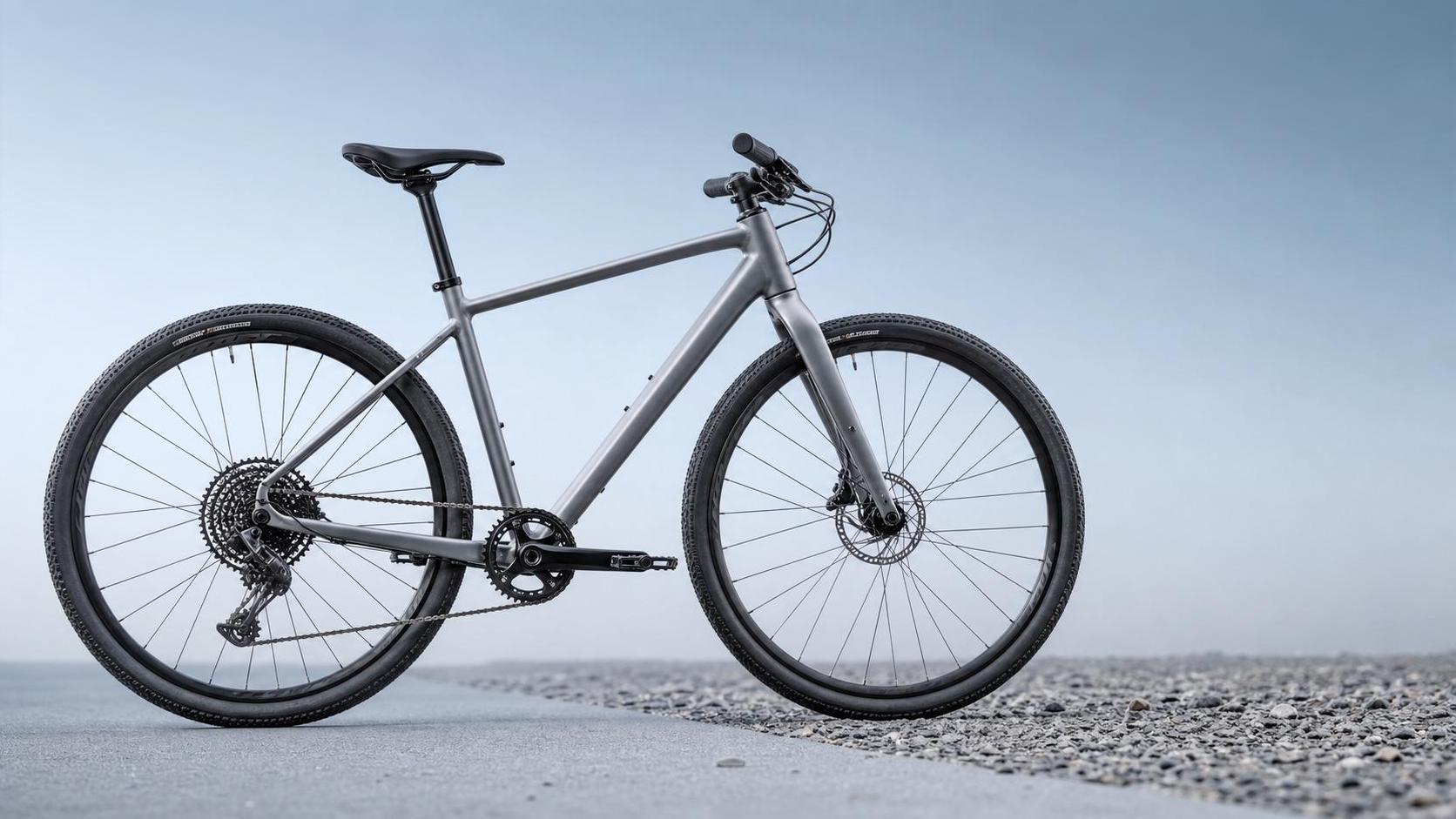
1x bicycle drivetrains have moved from niche race bikes to everyday mobility conversations for a simple reason: fewer parts often create a better riding experience. One chainring up front, a wider cassette at the rear, and a cleaner shifting pattern can make bikes feel easier to live with. That matters not only on mountain trails, but also in urban commuting, gravel riding, and the broader low-carbon transport market that ACMD tracks across advanced two-wheel systems.
The appeal is not just mechanical minimalism. In a market shaped by lighter frames, smarter shifting, and growing interest in durable mobility products, simpler gearing answers a practical question: how much complexity does a rider actually need? For many use cases, the answer is less than before.
Why 1x bicycle drivetrains matter now
The drivetrain is still the core translator of human power. Even as e-bikes, connected scooters, and electric motorcycles gain attention, pedal bikes remain a benchmark for efficient mechanical design.
That is why ACMD’s focus on precision transmissions and lightweight materials connects directly to this topic. A drivetrain is no longer judged only by gear count. It is judged by reliability, control, service burden, and how well it fits real riding conditions.
1x bicycle drivetrains reflect that shift. They reduce front-end complexity, remove the front derailleur, and streamline the cockpit. In a market that values intuitive products, that simplicity has become a meaningful performance feature.
What a 1x setup actually changes
A traditional 2x or 3x system uses two or three chainrings to create many gear combinations. A 1x system uses only one chainring and depends on a wide-range cassette to cover climbing and speed needs.
On paper, this can mean fewer total gears. In practice, many overlapping gear ratios disappear, and shifting becomes more predictable. There is no front derailleur trim, no cross-chaining concern at the same level, and no second shifter demanding attention.
That difference feels small in a spec sheet. It feels much larger on a wet commute, a loose gravel climb, or a technical trail where quick decisions matter more than perfect cadence spacing.
Core benefits riders notice first
- Cleaner shifting logic with one shifter controlling gear range.
- Lower maintenance from having fewer adjustment points.
- Better chain retention when paired with narrow-wide chainrings and clutch derailleurs.
- A tidier bike build with less cable routing and fewer exposed components.
- Slight weight savings, especially on performance-oriented builds.
Where simpler gearing pays off most
The best case for 1x bicycle drivetrains appears where simplicity beats theoretical range. Not every rider needs the same gearing spread, and not every route punishes larger jumps between gears.
In other words, the less a ride depends on chasing exact cadence at every speed, the stronger the case for a 1x format becomes.
Why the industry keeps leaning this way
The rise of 1x bicycle drivetrains is not isolated. It fits wider product trends across the two-wheel market.
First, bike design increasingly values integration. Carbon fiber frames, internal cable routing, and aerodynamic shaping all benefit when the front shifting system disappears.
Second, electronic shifting has changed expectations. Riders now expect fast, accurate gear changes with less manual tuning. A simpler drivetrain architecture supports that expectation, whether the system is mechanical or wireless.
Third, the urban micro-mobility economy rewards low-friction ownership. A bike that is easier to maintain, easier to explain, and easier to trust has broader appeal than one that demands frequent fine adjustment.
From ACMD’s mobility lens, this is where drivetrain decisions become strategic. Simpler components can support lower service loads, stronger user confidence, and better fit with decarbonized daily transport.
The limits that still matter
A 1x setup is not automatically better. It is better only when its strengths match the ride.
The main compromise is gear range versus spacing. Many 1x bicycle drivetrains now offer impressive spread, but they often create larger jumps between gears than a 2x road system.
That can matter on long pavement rides, fast group rides, or terrain that alternates between steep climbs and extended high-speed sections. Riders who are sensitive to cadence may prefer closer ratios.
Chainline also remains important. Even though front shifting is gone, rear extremes still affect wear and efficiency. A well-chosen chainring size matters more than many buyers expect.
Common signs a 1x system may not fit well
- Most rides happen on smooth roads at sustained high speed.
- Small cadence changes strongly affect comfort or performance.
- Local routes combine very steep climbs with frequent sprinting.
- Existing habits already work well with a 2x road setup.
How to judge 1x bicycle drivetrains in practical terms
The smartest way to evaluate 1x bicycle drivetrains is not by asking whether they are trendy. Ask whether they solve the right problem.
Start with terrain. Flat city riding asks for different gearing than mountainous gravel routes. Then consider speed expectations. A commuter and a weekend racer do not experience the same benefits.
Next, look at maintenance tolerance. Some riders enjoy adjusting front derailleurs. Others want a bike that works with minimal attention through changing weather and frequent use.
Finally, check component balance. The chainring size, cassette range, wheel size, tire choice, and even motor support on an e-bike influence whether a 1x system feels capable or compromised.
A simple decision framework
- Choose 1x when simplicity, control, and durability outweigh perfect ratio spacing.
- Stay with 2x when top-end speed and tight cadence steps matter more.
- Reassess chainring size before rejecting the entire drivetrain concept.
- Compare the complete bike, not just the drivetrain headline.
What to watch next
The future of 1x bicycle drivetrains will likely be shaped by three forces: wider cassette engineering, smarter electronic control, and continued frame integration. Those trends are already visible across premium bicycles and performance e-bikes.
As lightweight materials and digital shifting continue to mature, the question will become less about whether one chainring is enough and more about how efficiently the entire system is tuned.
For anyone comparing bikes or planning an upgrade, the next step is straightforward. Map your usual terrain, note the speeds you actually ride, and pay close attention to service needs over time. That process reveals far more than gear-count marketing and helps determine when simpler gearing truly pays off.
Related News