Bicycle Derailleur Components: Which Parts Fail First?

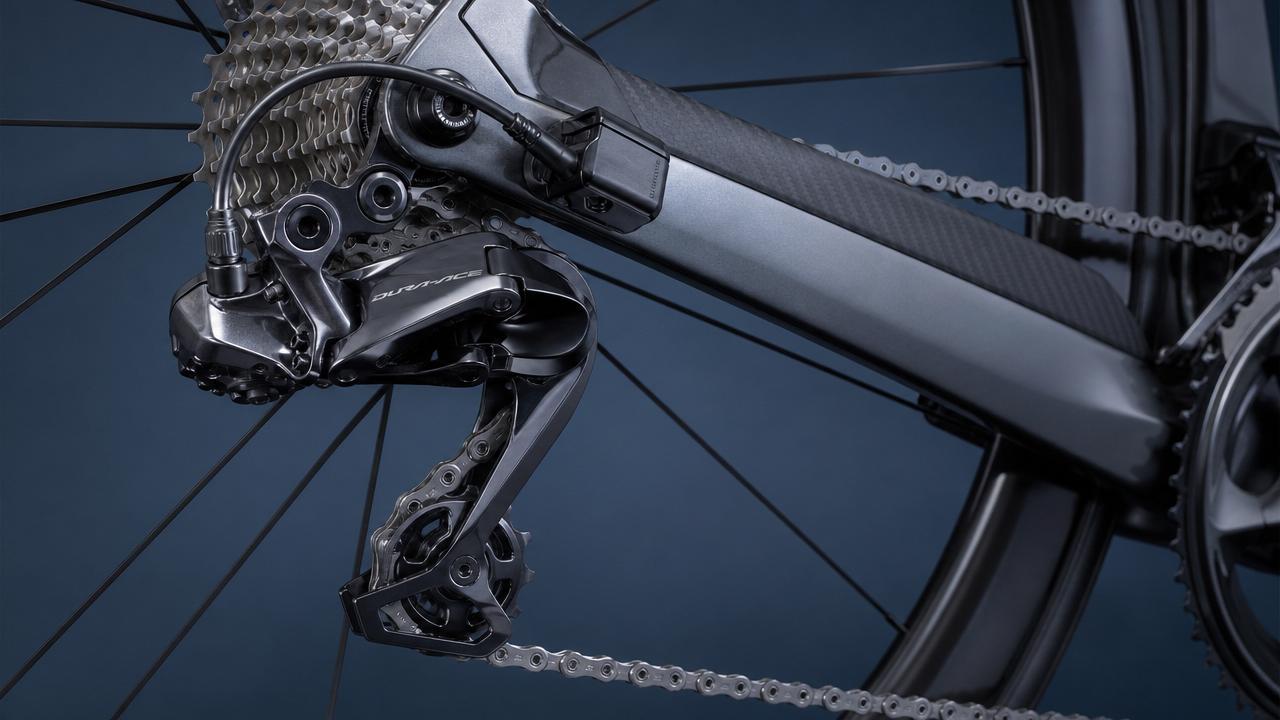
Bicycle Derailleur Components sit at the center of shifting accuracy, drivetrain efficiency, and rider safety. They also belong to the group of parts most likely to show early wear, misalignment, or impact damage. For organizations tracking field reliability, warranty trends, and product safety, understanding which derailleur parts fail first is less about maintenance trivia and more about risk control across the full mobility chain.
That matters even more now. In high-performance bicycles, e-bikes, and premium urban mobility platforms, drivetrain systems are lighter, faster, and more complex. ACMD’s wider industry lens on precision transmissions and electronic control systems makes one point clear: small failures inside Bicycle Derailleur Components often trigger outsized problems in noise, shifting delay, chain drop, wheel interference, or sudden loss of control.
Why failure order matters more than isolated defects
A derailleur rarely fails all at once. Most issues begin with one weak link, then spread through the drivetrain.
A worn jockey wheel increases lateral play. A bent hanger shifts the derailleur path. A tired spring slows cage return. In electronic systems, signal instability may look like a mechanical indexing problem first.
This sequence matters in inspection planning. If the first-fail parts are missed, later symptoms can be misread as assembly error, rider misuse, or chain wear alone.
From a quality standpoint, Bicycle Derailleur Components should be reviewed as a failure chain, not a collection of separate parts.
The parts that usually fail first
In real-world use, first-fail items are usually the most exposed, the most wear-prone, or the most sensitive to impact and contamination.
1. Derailleur hanger
The hanger often fails before the derailleur body itself. It is designed as a sacrificial part on many bikes.
Even minor transport damage or a low-speed tip-over can bend it. Once alignment drifts, shifting quality drops across multiple gears.
A hanger problem is frequently misdiagnosed because the derailleur still appears intact during a quick visual check.
2. Jockey wheels and bushings or bearings
These small rotating elements handle dirt, chain tension, and continuous movement. They wear faster than many larger parts.
Tooth deformation, bearing roughness, and side play create noise and chain tracking instability. In wet commuting and off-road riding, wear accelerates sharply.
3. Shift cable, housing, and seals
On mechanical systems, many “derailleur failures” actually start with cable friction or housing contamination.
Corrosion, liner collapse, or poor sealing changes cable pull consistency. The result is vague indexing, delayed downshifts, or incomplete return.
4. Return spring and pivot joints
Springs lose force gradually. Pivot points collect debris and develop friction over time.
This is a classic hidden degradation mode. The derailleur still moves, but response becomes slower and less repeatable under load.
5. Electronic batteries, wires, and control modules
In electronic Bicycle Derailleur Components, early failures often come from connection loss, moisture ingress, firmware mismatch, or battery instability.
These faults may appear intermittent, making them harder to capture during static inspection.
What is driving industry attention now
The current market is pushing Bicycle Derailleur Components into harsher and less forgiving duty cycles.
E-bikes add torque, rider mass, and stop-start frequency. Shared and fleet mobility increases misuse, impact exposure, and inconsistent maintenance. Competitive cycling demands extreme precision under load.
At the same time, lightweight design leaves less margin for misalignment. Tighter tolerances improve performance, but they also reveal defects sooner.
This is where ACMD’s focus on high-end two-wheeled vehicles and precision transmission systems becomes relevant. A derailleur issue is no longer just a workshop inconvenience. It influences warranty cost, field safety, brand credibility, and export compliance.
Different use scenarios produce different first-fail patterns
Failure order changes with operating environment. That is why generic inspection plans often miss the real weak point.
Urban commuting and micro-mobility
Curb impacts, bike rack pressure, and poor weather usually hit hangers, cables, and pulleys first.
Contamination is often more damaging than pure mileage in these environments.
E-bike applications
Higher chain loads speed up pulley wear and expose spring weakness. Electronic systems also face vibration and battery management interaction.
Mountain and gravel riding
Debris ingress, side impacts, and repeated shock loading make pivot stiffness and hanger alignment critical early checkpoints.
Premium road and racing platforms
Here the issue is not always dramatic breakage. Small tolerance drift becomes visible sooner because riders expect precise, immediate shifts.
How to inspect Bicycle Derailleur Components more effectively
A useful inspection routine should separate cosmetic marks from function-critical deviations.
- Check hanger alignment before adjusting indexing.
- Measure pulley side play, not just rotation smoothness.
- Assess cable friction under load and after contamination exposure.
- Verify spring return speed across the full cassette range.
- On electronic systems, test battery stability and connector retention.
- Review impact history, transport damage, and assembly torque records.
It also helps to compare workshop findings with field-return data. If the same minor part appears in repeated complaints, that part is not minor anymore.
Common misjudgments that raise safety and warranty risk
Several recurring mistakes distort root-cause analysis in Bicycle Derailleur Components.
- Treating poor shifting as a derailleur-body defect without checking the hanger.
- Replacing chains and cassettes while leaving worn pulleys in service.
- Ignoring intermittent electronic faults because bench tests pass once.
- Assuming low mileage means low risk, despite impact or storage damage.
- Using visual inspection alone for pivots, springs, and connector sealing.
These errors are expensive because they create repeat repairs and conceal the real first-fail component.
A practical way to set priorities
When resources are limited, priority should follow consequence and probability together.
Start with parts that can lead to wheel contact, chain derailment, or total shift loss. Then move to wear items that degrade performance and trigger early returns.
For many programs, that means hanger alignment first, pulley condition second, control-path integrity third, and electronic verification where applicable.
This order fits both premium bicycle platforms and broader low-carbon mobility systems, where uptime and safe operation matter as much as mechanical refinement.
Where to look next
The smartest next step is to build a failure map for Bicycle Derailleur Components by product type, terrain, and service interval.
That map should combine workshop observations, return samples, and incident reports with design details such as material choice, sealing strategy, and shifting architecture.
For teams following ACMD’s view of advanced mobility, the larger lesson is straightforward. Precision drivetrains reward precision oversight. Knowing which derailleur parts fail first is the starting point for better inspection standards, safer field performance, and more credible product decisions.