
Bike Transmission Upgrade Options for Better Climbing

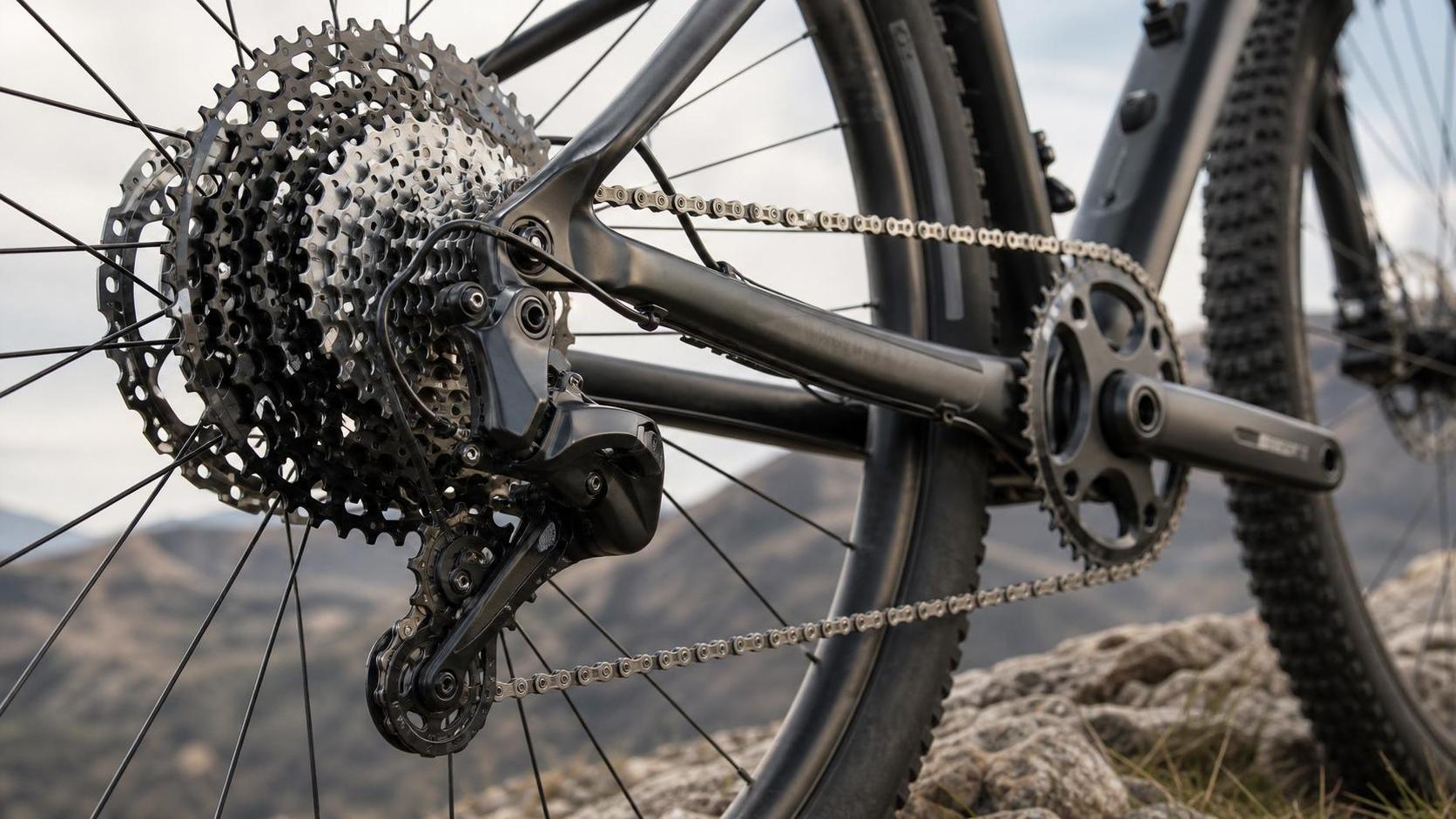
Bike Transmission Upgrade Options for Better Climbing
A smart bike transmission upgrade can change climbing completely.
Steep hills feel less punishing when gearing matches terrain, cadence, and rider output.
That matters for daily riding, loaded commuting, gravel routes, and mountain ascents.
The best bike transmission upgrade is not always the most expensive one.
Often, the right cassette, chainring, derailleur, or shifter setup delivers the biggest climbing gain.
This guide explains practical upgrade paths, trade-offs, and selection tips for stronger climbing performance.
Why a Bike Transmission Upgrade Helps on Climbs
Climbing is a gearing problem as much as a fitness problem.
When gears are too hard, cadence drops, torque spikes, and fatigue builds quickly.
A well-planned bike transmission upgrade lowers the effort needed for each pedal stroke.
It also improves traction, rhythm, and control on uneven or loose surfaces.
From a practical standpoint, easier gearing protects knees and reduces stall-outs on sharp gradients.
That is especially useful when riding with cargo, battery-assisted systems, or long back-to-back climbs.
Key climbing benefits
- Lower gear ratios for steep ramps and long mountain roads.
- Better cadence control between 70 and 90 rpm.
- Smoother shifting under moderate load.
- Reduced leg fatigue on extended climbs.
- More confidence when gradients change suddenly.
Start With Gear Range, Not Brand Names
Before choosing parts, check your current drivetrain numbers.
Focus on chainring size, cassette range, derailleur capacity, and wheel size.
These factors decide whether a bike transmission upgrade will actually improve climbing.
A smaller front chainring or larger cassette cog usually gives the fastest result.
In many cases, changing everything is unnecessary if the core ratio issue is simple.
Useful checkpoints
- Count teeth on the smallest front chainring.
- Count teeth on the largest rear cog.
- Confirm derailleur maximum cassette compatibility.
- Inspect chain wear and hanger alignment.
- Review whether shifting issues come from wear, not design.
Best Bike Transmission Upgrade Options for Better Climbing
1. Install a wider-range cassette
This is one of the most effective bike transmission upgrade choices.
Moving from an 11-28 cassette to 11-34 or 11-36 noticeably improves low-end climbing gears.
For 1x setups, ranges like 10-44, 10-50, or 10-52 create serious uphill capability.
The trade-off is larger jumps between gears, which some riders notice on flatter roads.
2. Use a smaller front chainring
A smaller chainring lowers all gears at once.
That makes it a clean bike transmission upgrade for sustained climbing.
For example, changing from 34T to 32T or 30T can transform technical ascents.
The downside is lower top speed at high cadence, which may matter on fast descents.
3. Switch from 2x to 1x, or refine a 2x setup
A 1x drivetrain simplifies shifting and reduces setup complexity.
That can be helpful for rough climbs where clean decision-making matters.
Still, a well-tuned 2x system often provides tighter gear spacing and excellent climbing range.
If road and mixed-terrain use overlap, refining a 2x layout may be the smarter upgrade path.
4. Upgrade the rear derailleur and shifters
Sometimes the issue is not enough gear range.
Sometimes it is unreliable shifting when the climb turns steep.
A derailleur with better chain control improves consistency on rough surfaces.
Electronic shifting can also sharpen gear changes with less hand effort.
For high-use fleets or performance bikes, this bike transmission upgrade adds both precision and reliability.
5. Replace worn support parts
A new cassette alone cannot fix a stretched chain or bent hanger.
Fresh cables, housing, pulleys, chain, and chainrings often restore lost climbing performance.
In real-world service work, these smaller parts often decide whether an upgrade feels smooth.
How to Match the Upgrade to Riding Conditions
The best bike transmission upgrade depends on where and how the bike is used.
Terrain, rider strength, bike weight, and motor support all affect gearing needs.
A smart choice balances easier climbing with acceptable cadence on flats.
Common Mistakes Before a Bike Transmission Upgrade
A few errors can turn a useful upgrade into an expensive disappointment.
Most of them come from compatibility assumptions or unrealistic expectations.
- Ignoring derailleur cage capacity and maximum cassette size.
- Keeping a worn chain with a new cassette.
- Choosing ultra-low gearing without considering flat-road cadence.
- Skipping hanger alignment and indexing adjustments.
- Buying premium parts before solving the actual ratio problem.
From a service perspective, compatibility checks save more money than any rushed component swap.
A Simple Upgrade Decision Framework
If climbing feels hard, keep the process simple.
Start with the lowest-cost change that improves gear range.
Then move to control and reliability upgrades if needed.
- Measure current gearing and identify the lowest usable gear.
- Decide whether you need lower gears, smoother shifting, or both.
- Check compatibility across cassette, derailleur, chain, and freehub.
- Replace worn wear-parts before judging upgrade results.
- Test on your real climb, not just on a repair stand.
Final Take
A successful bike transmission upgrade makes climbing feel controlled rather than desperate.
In most cases, wider cassette range and smaller chainrings deliver the fastest improvement.
For higher demands, derailleur, shifter, and support-part upgrades improve consistency under load.
The right solution depends on terrain, drivetrain condition, and how often steep climbs appear.
When evaluating any bike transmission upgrade, prioritize usable low gears, dependable compatibility, and smooth real-world shifting.
Use that approach, and each climb becomes more efficient, more repeatable, and far less draining.