
Carbon Fiber Manufacturing Costs: What Changes Frame Pricing

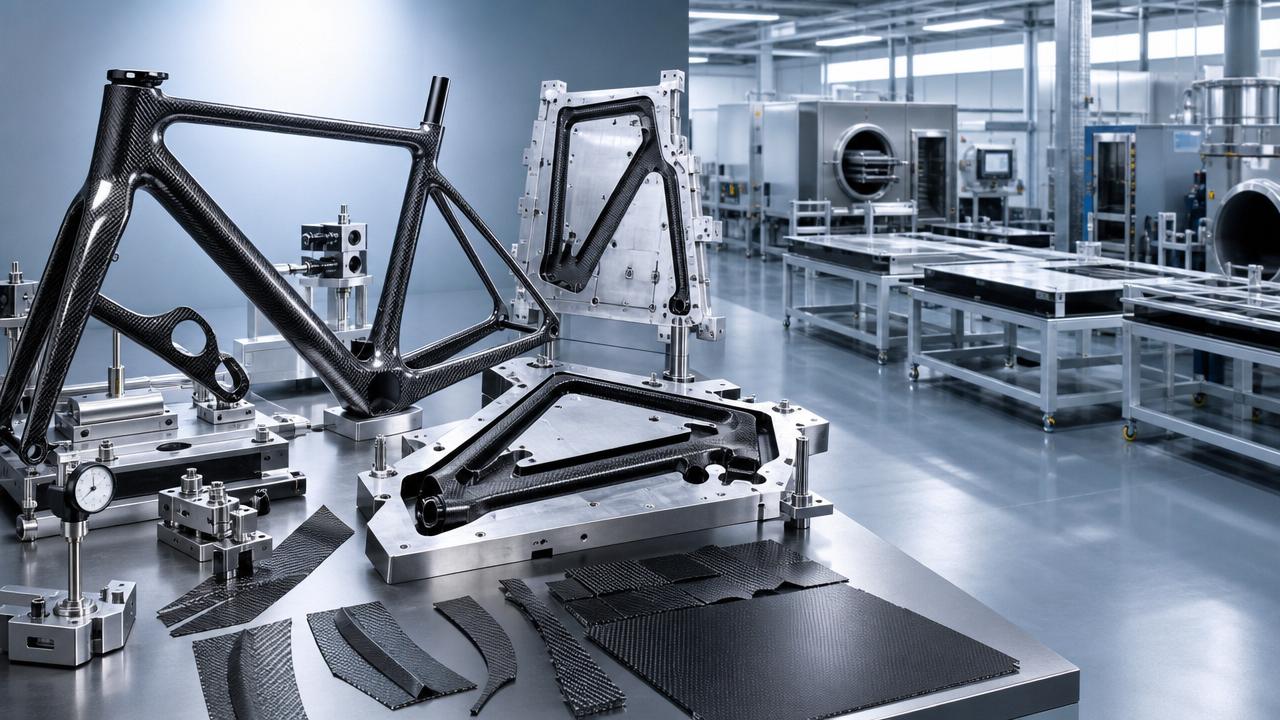
Why does carbon fiber manufacturing create such wide frame price differences?
For finance decision-makers, frame pricing is not just about materials. It reflects tooling, labor intensity, yield loss, and production scale.
In carbon fiber manufacturing, small process changes can move unit cost quickly. Layup complexity, resin choice, curing time, and inspection standards all matter.
That is why two frames with similar weight can carry very different quotes. The gap usually comes from process discipline, scrap rates, and production efficiency.
For ACMD’s mobility and lightweighting coverage, this cost logic matters across performance bikes, e-bikes, and premium component ecosystems.
Understanding carbon fiber manufacturing cost drivers helps evaluate supplier pricing, margin risk, and premium positioning with more confidence.
What cost elements matter most in carbon fiber manufacturing?
The first visible driver is raw material input. Carbon yarn grade, prepreg quality, resin content, and storage requirements all influence baseline cost.
Aerospace-grade fibers usually cost more than standard modulus options. They also demand tighter handling and more consistent process control.
The second driver is labor. Carbon fiber manufacturing remains labor-intensive, especially for complex frame shapes and performance-focused layup schedules.
Each ply must be cut, oriented, and placed correctly. More pieces usually mean more hours, more training, and more potential variation.
Tooling also changes frame economics. Mold design, bladder systems, inserts, and fixture accuracy require significant upfront investment before mass production begins.
Then comes curing. Oven cycles, pressurized molding, autoclave use, and cooling time directly affect throughput and energy consumption.
Finally, post-processing adds cost. Trimming, sanding, bonding, painting, alignment checks, and destructive testing can be substantial.
- Material grade and resin system
- Labor hours per frame
- Tooling amortization
- Curing energy and cycle length
- Scrap, rework, and quality assurance
How do layup complexity and frame design increase costs?
Not all frame designs are equal in carbon fiber manufacturing. Aerodynamic tube shapes, integrated cockpits, and hidden cable routes often raise production difficulty.
A simple frame may use fewer ply shapes and easier placement paths. A race frame often needs many small patches in high-stress zones.
Bottom brackets, head tubes, and seat clusters usually require reinforcement transitions. These areas consume more labor and tighter process control.
Complex layups can improve stiffness-to-weight performance. However, they also increase cutting waste, handling time, and the chance of placement errors.
One-piece monocoque construction may reduce bonding steps. Yet it can require more advanced molds and stricter bladder management.
Modular or bonded designs may lower mold complexity. Still, they can add adhesive processes, jig alignment work, and inspection steps.
In practical terms, ambitious geometry and aggressive lightweight targets usually push carbon fiber manufacturing costs upward.
Design choices that commonly raise unit price
- Ultra-thin walls with strict weight goals
- Integrated seat mast or cockpit structures
- Deep aerodynamic profiles
- Internal routing and battery integration for e-bikes
- Higher cosmetic standards with fewer visible defects allowed
Why do yield loss and quality control have such a big pricing impact?
Yield loss is one of the least visible but most powerful cost drivers in carbon fiber manufacturing. Scrap changes actual cost far more than list material prices suggest.
Defects may appear during layup, cure, demolding, machining, or paint. Common issues include voids, wrinkles, resin-rich zones, misalignment, and surface flaws.
If a frame fails structural testing, most embedded labor and material value is already spent. That loss must be absorbed somewhere in pricing.
High-end brands often demand tighter tolerances and stronger traceability. This raises inspection frequency and documentation workload.
Non-destructive testing, sample fatigue verification, and batch-level audits can improve reliability. They also increase overhead per frame.
A supplier with lower scrap and stable repeatability may quote more competitively over time, even if headline labor rates look higher.
How do volume, automation, and supplier scale change carbon fiber manufacturing economics?
Production scale strongly shapes frame pricing. Higher volume can spread tooling, engineering, and validation costs across more units.
Larger operations may negotiate better prepreg supply terms. They can also optimize cutting layouts and reduce waste through standardized process planning.
Automation helps, but it is not universal. Carbon fiber manufacturing still depends heavily on manual skill for many bicycle and e-bike frame applications.
Automated cutting, digital ply tracking, and controlled resin systems can improve consistency. However, robotic layup is harder for complex small-batch frame geometries.
Low-volume projects often face the opposite problem. Tooling amortization per frame rises, setup losses grow, and learning curves take longer to pay back.
This is especially relevant in premium cycling, where many models have short product cycles, multiple sizes, and demanding visual standards.
In ACMD’s broader mobility context, carbon fiber manufacturing scale also differs between road bikes, e-bikes, and niche performance platforms.
When scale usually improves pricing
- Stable annual volumes across fewer frame variants
- Longer product life with reusable molds
- Predictable demand that supports workforce efficiency
- Shared material platforms across different models
What should be checked before accepting a frame quote?
A low quote in carbon fiber manufacturing can hide future margin pressure. The real question is whether assumptions are complete and realistic.
Start with materials. Confirm fiber grade, resin system, storage conditions, and whether substitutions are allowed without formal approval.
Then review tooling ownership and amortization. Clarify who pays for molds, maintenance, engineering changes, and replacement fixtures.
Ask about cycle time assumptions. If cure duration or paint capacity is unrealistic, delivery performance may slip even when quoted cost looks attractive.
Yield assumptions deserve close attention. A quote based on optimistic scrap rates can quickly collapse once production ramps.
Quality terms also matter. Define test standards, cosmetic acceptance, traceability scope, and warranty responsibility before comparing offers.
For integrated e-bike frames, also check battery housing tolerances, cable routing complexity, and additional reinforcement around motor loads.
What are the most common mistakes when judging carbon fiber manufacturing costs?
The biggest mistake is focusing only on raw material cost. In many frames, labor, scrap, and finishing drive more variance than fiber price alone.
Another mistake is assuming lighter always means cheaper to scale. Extreme lightweight targets usually demand tighter tolerances and lower process forgiveness.
It is also risky to compare quotes without matching specifications. Different suppliers may price different testing levels, cosmetics, and curing methods.
Some evaluations ignore lifecycle cost. Delays, high warranty returns, and unstable quality can erase any savings from a lower opening quote.
Finally, premium positioning should not be separated from process capability. In carbon fiber manufacturing, brand value often depends on repeatable quality, not marketing alone.
How should frame pricing be interpreted for better decisions?
Frame pricing should be read as a compressed signal of process maturity. It reflects materials, engineering choices, operational discipline, and target market ambition.
The smartest comparisons separate visible costs from hidden risks. They test whether carbon fiber manufacturing assumptions match the required quality and launch timeline.
A practical next step is building a quote review sheet. Include material specs, layup complexity, curing method, yield assumptions, QC scope, and tooling treatment.
That approach creates clearer supplier comparisons and stronger premium pricing logic. It also supports more resilient margins in bikes, e-bikes, and lightweight mobility platforms.
In short, carbon fiber manufacturing costs change frame pricing because every design and process decision leaves an economic footprint. Reading that footprint well leads to better outcomes.