
Electric Bike Technology Upgrades That Improve Cargo Range

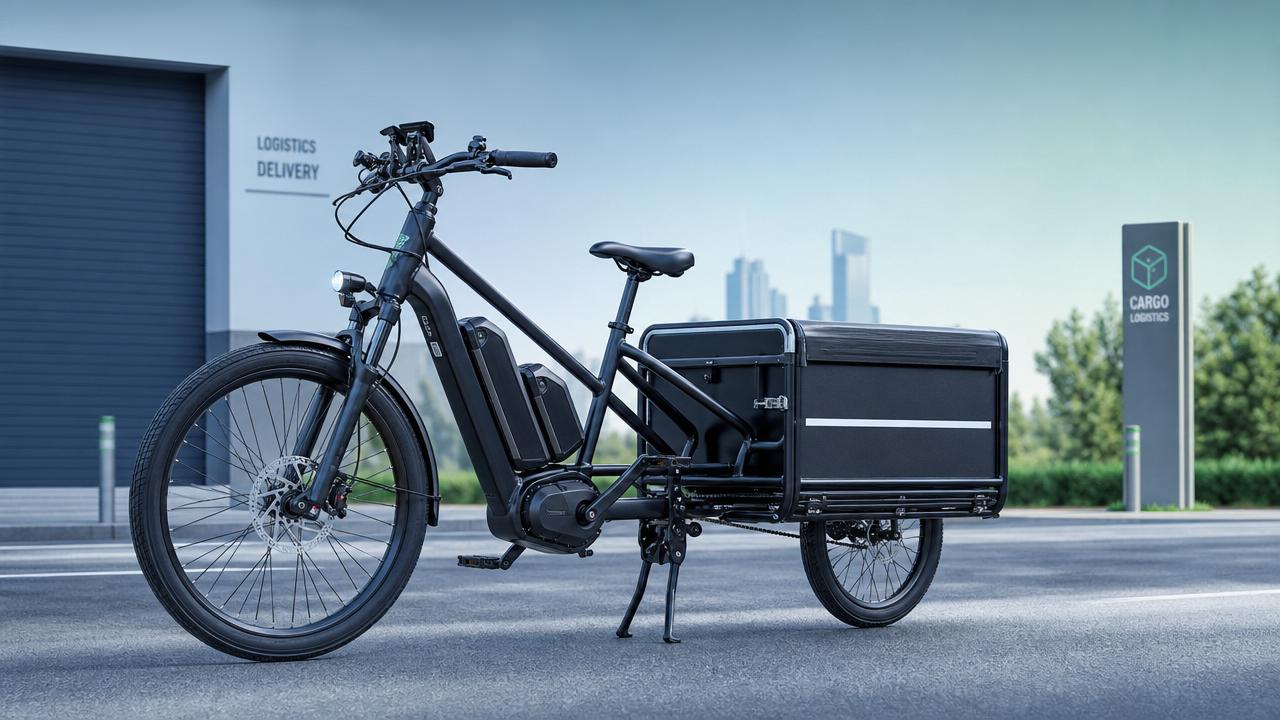
Electric bike technology is rapidly changing how riders move more with less effort, especially when cargo loads demand every watt and every mile. From higher-density batteries and smarter motor controllers to lightweight composite parts and real-time efficiency tuning, the latest upgrades can significantly extend cargo range without sacrificing stability or usability. This guide explores the most practical innovations that help operators carry farther, ride smarter, and get more value from every charge.
For operators, fleet users, and technical buyers, cargo range is not defined by battery size alone. It is shaped by a full system that includes motor efficiency, drivetrain losses, frame weight, rolling resistance, thermal behavior, payload distribution, and software control logic.
That is why advanced electric bike technology has become a strategic topic across urban delivery, utility riding, commercial mobility, and heavy-use commuter platforms. In ACMD’s mobility intelligence perspective, the strongest gains usually come from integrated upgrades rather than one expensive component.
Why Cargo Range Falls Faster Than Expected
A lightly loaded e-bike may deliver stable performance over 50 to 90 km, yet the same platform can lose 20% to 40% of its usable range when cargo weight rises, terrain becomes irregular, or stop-start frequency increases. Operators often underestimate how quickly these variables compound.
The main range penalties in cargo applications
Extra mass increases launch energy demand at every restart. A 25 kg payload difference may look small on paper, but in urban use with 30 to 60 stops per trip, repeated acceleration can consume more energy than a modest headwind over the same route.
Cargo bikes also operate under less ideal aerodynamics. Front baskets, rear boxes, side panniers, and uneven load shapes can raise drag at speeds above 20 km/h. On long flat routes, aerodynamic resistance can become one of the top 3 energy drains.
Where operators usually misdiagnose the problem
- Assuming battery aging is the only cause of shorter range
- Ignoring tire pressure losses of 8% to 15% in rolling efficiency
- Using high assist modes during low-speed congestion
- Overlooking drivetrain wear, which can reduce transfer efficiency by 2% to 6%
Electric bike technology now addresses these issues with better power electronics, lighter structures, and more adaptive software. The result is not just more kilometers per charge, but more predictable daily operating range under real cargo conditions.
Battery Upgrades That Deliver Real Cargo Gains
Battery improvements remain the most visible part of electric bike technology, but the best upgrade is not always the largest pack. For cargo users, energy density, discharge stability, heat control, and pack integration matter more than headline watt-hours alone.
Higher energy density without a major weight penalty
A conventional cargo e-bike battery may sit in the 500 to 720 Wh range. Upgrading to 750 to 1,000 Wh can extend route flexibility, but only when the pack avoids excessive mass. If battery weight rises by 2 to 4 kg, some of the expected range gain is lost.
For heavy-duty use, operators should compare effective watt-hours per kilogram, not nominal capacity only. Modern high-density cells can offer a better balance where the same frame volume carries 10% to 20% more usable energy.
Voltage stability and thermal management
Under cargo load, voltage sag becomes more obvious during climbs, repeated acceleration, and low-temperature starts. Battery packs with stronger thermal pathways and better battery management systems help maintain assist consistency from 100% down to 20% state of charge.
This matters for route planning. An e-bike that feels strong for the first 15 km but weakens sharply after mid-discharge may force slower delivery cycles or rider overexertion. Better battery architecture supports a flatter performance curve through more of the discharge window.
The following comparison shows how typical battery upgrade choices affect cargo range planning.
In most commercial cases, the best return comes from matching battery size to duty cycle instead of maximizing capacity blindly. A right-sized pack with stable discharge and sensible mass often outperforms an oversized pack on efficiency per kilogram carried.
Motor, Controller, and Sensor Upgrades That Reduce Energy Waste
Motor systems are central to electric bike technology because they convert stored energy into useful motion. For cargo range, the key is not peak power alone. More important factors include torque delivery at low cadence, controller precision, and how quickly the system reacts to rider input.
Why smarter control beats higher output
Many operators think a stronger motor always improves performance. In reality, a poorly tuned 85 Nm drive unit can waste more energy than a refined 65 Nm system if the controller overshoots, surges at startup, or keeps assist too high in low-demand segments.
Modern torque sensors, cadence sensors, and controller algorithms can modulate assist in milliseconds. This improves launch smoothness, limits current spikes, and reduces unnecessary drain during rolling sections. Over a full workday, such tuning may save 5% to 12% energy.
Mid-drive efficiency under cargo load
Mid-drive motors generally perform better in cargo roles because they leverage the bike’s gear range. On climbs or heavy starts, the motor can stay closer to its efficient cadence band. Hub motors may still suit flat routes, but they tend to lose efficiency when loads and gradients rise together.
What buyers should verify before upgrading
- Nominal power and peak torque are matched to actual payload, not marketing claims
- Controller supports multiple assist maps for cargo, commuter, and eco use
- Torque sensor calibration remains accurate under high chain tension
- Thermal derating behavior is disclosed for long climbs or hot climates above 30°C
For technical operators, the practical objective is repeatable efficiency. The best electric bike technology creates predictable response over 2-hour to 6-hour operating windows, even when rider cadence, road grade, and stop intervals vary throughout the route.
Lightweight Structures and Drivetrain Efficiency Matter More Than Many Fleets Assume
Cargo range is often discussed as an electrical issue, yet structural and mechanical losses are equally important. Weight reduction in the frame, forks, carriers, and wheelset lowers the baseline energy demand before the motor even engages.
Composite materials and smart frame design
Aerospace-inspired composite parts and optimized aluminum structures can reduce total vehicle mass while preserving stiffness. Even a 1.5 to 3.0 kg reduction can be meaningful in repeated-start urban use, especially when paired with balanced cargo placement and lower vibration losses.
ACMD’s focus on lightweight materials is relevant here. Stiffness-to-weight ratio influences handling confidence, tire contact consistency, and drivetrain alignment. A frame that flexes less under load usually preserves energy better and improves rider control with 15 kg to 40 kg payloads.
Drivetrain losses add up over distance
Dirty chains, misaligned derailleurs, worn sprockets, and poor lubrication can silently reduce efficiency. In cargo use, where higher torque is common, these losses magnify faster than on leisure bikes. The difference between a clean and neglected drivetrain can translate into several kilometers per charge.
The table below outlines mechanical areas that directly influence range, even though they are not part of the battery pack.
For buyers evaluating electric bike technology, this means range planning should include both electro-mechanical and material engineering factors. Ignoring the mechanical side often leads to weak ROI on otherwise premium electrical upgrades.
Software, Real-Time Tuning, and Route Intelligence
The newest gains in electric bike technology often come from software rather than hardware. Real-time efficiency tuning helps the bike respond differently to a flat bike lane, a loaded hill climb, or dense traffic with 40 restart events in one hour.
Adaptive assist and operator-facing settings
Advanced systems can adjust output based on torque input, cadence trend, gradient estimate, and battery status. Instead of one static eco mode, the bike can provide 3 to 5 assist profiles, each optimized for speed control, payload support, or energy saving.
For fleet use, locked operating profiles are useful. They prevent overuse of high assist modes and standardize energy consumption across multiple riders. This is valuable when route budgets, shift changes, and charging windows must stay predictable.
Useful software functions for cargo operations
- Estimated range recalculation based on live payload and route behavior
- Battery protection logic that limits harsh current draw near low charge thresholds
- Service alerts for chain wear, brake drag, and tire pressure checks
- Ride logs that reveal inefficient acceleration or unnecessary assist usage
Route planning as a range multiplier
A route with 5 extra kilometers is not always less efficient than a shorter route with 12 steep ramps, poor pavement, and constant stopping. Smart routing reduces energy peaks and rider fatigue. In many city operations, planning can improve effective range by 8% to 15% without any hardware change.
That is a strong reminder that electric bike technology is not only about the machine. It also includes the digital layer that helps operators use energy more intelligently across each shift.
How Operators and Buyers Should Prioritize Upgrades
Not every upgrade deserves immediate budget approval. For real cargo-range improvement, buyers should rank investments by route type, payload average, service interval discipline, and charging logistics. A structured decision process reduces overspending on low-impact features.
A practical 4-step upgrade sequence
- Measure current route distance, payload band, average stop count, and end-of-shift battery reserve
- Fix mechanical losses first, including drivetrain wear, brake drag, and tire setup
- Upgrade control logic or battery format based on measured energy shortfall
- Review frame weight, cargo balance, and software restrictions for long-term optimization
Common procurement mistakes
One frequent mistake is specifying oversized batteries for routes that actually suffer from poor maintenance and inefficient assist behavior. Another is selecting high-torque systems without checking thermal performance, gear compatibility, or the impact on chain and cassette replacement cycles.
Operators should also confirm charging realities. A theoretical 1,000 Wh system is less useful if charging downtime disrupts a 2-shift schedule. In some cases, a modular 2-pack rotation strategy delivers better uptime than a single oversized integrated battery.
The strongest electric bike technology decisions are therefore operational decisions. They connect hardware selection with route data, rider behavior, service discipline, and long-term ownership cost.
What Better Cargo Range Means for Daily Use and Long-Term Value
When cargo range improves, the benefit is not limited to a larger number on a display. Operators gain more stable shift planning, fewer mid-route charging interruptions, lower rider fatigue, and better confidence that the bike will perform consistently with real payloads.
From an industry perspective, this is where advanced electric bike technology intersects with lightweight materials, precision drivetrain design, and digital control. The most effective solutions combine these disciplines rather than treating them as separate upgrade paths.
For ACMD-focused buyers and mobility professionals, the priority is clear: evaluate the whole energy chain, from battery chemistry and controller tuning to frame mass, derailleur efficiency, and route intelligence. If you are planning a cargo-oriented e-bike platform, optimizing these areas can produce measurable gains in daily utility and total operating value. Contact us to discuss technical priorities, compare upgrade paths, and get a tailored solution for your cargo range goals.
Related News