
Bicycle Derailleur Components: Common Failure Points to Check

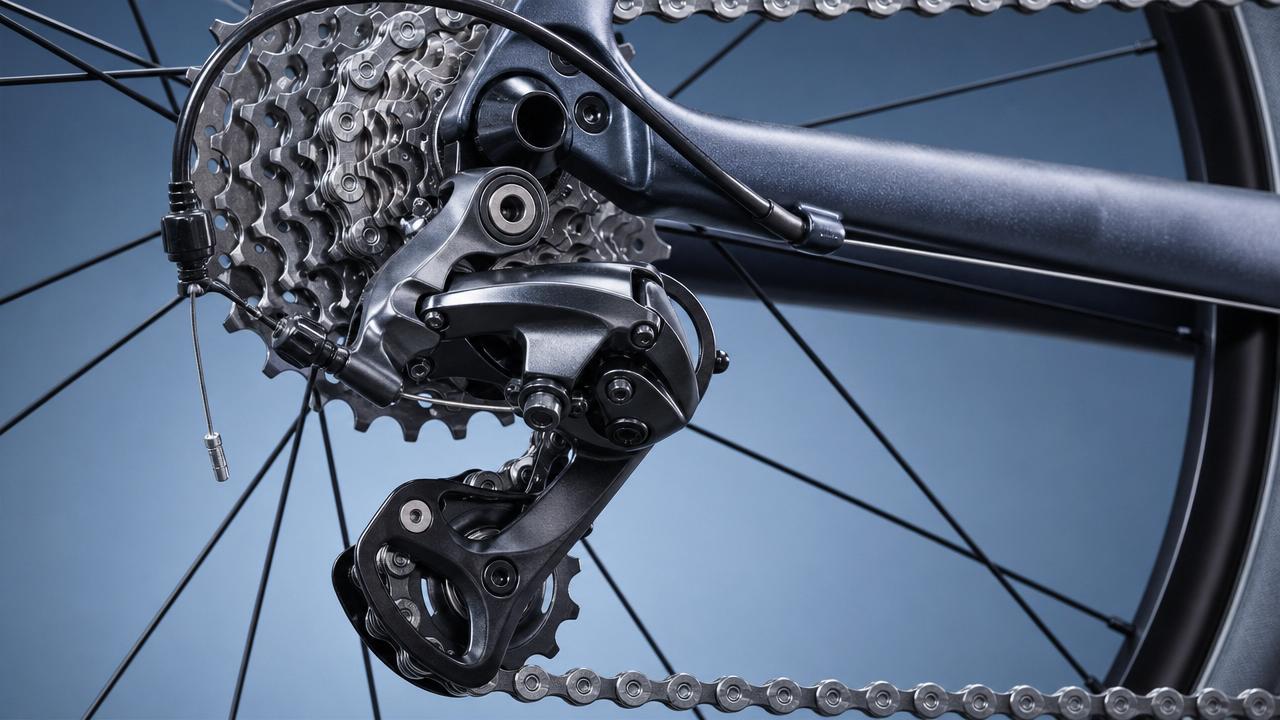
Bicycle Derailleur Components are among the most failure-prone parts in any drivetrain, making accurate inspection essential for after-sales maintenance teams. From bent hangers and worn jockey wheels to cable friction and electronic shifting errors, knowing where problems start helps reduce downtime, improve shifting precision, and extend service life. This guide highlights the common failure points you should check first.
For workshops supporting commuter bikes, e-bikes, performance road models, and mountain platforms, derailleur-related complaints often account for a large share of repeat service visits. In many cases, the visible symptom is poor shifting, but the root cause sits 1 or 2 components away from the derailleur body itself.
For after-sales teams, that distinction matters. Replacing the wrong part increases service time, raises warranty friction, and can leave customers returning within 7 to 30 days. A structured inspection of Bicycle Derailleur Components helps technicians isolate faults faster and preserve drivetrain reliability across different bike categories.
Why Bicycle Derailleur Components Fail So Often in Real Service Environments
Unlike sealed systems, rear shifting hardware operates in a harsh zone exposed to impact, dirt, water, vibration, and chain tension. A derailleur assembly may cycle thousands of shifts over a short service interval, especially on delivery bikes, rental fleets, and high-mileage urban commuters.
On performance bicycles, tolerance sensitivity is even higher. A hanger misalignment of just a few millimeters, a worn pulley bearing, or cable drag across 1 housing bend can be enough to create hesitation across 2 to 4 cassette sprockets. Electronic systems reduce cable issues, but they introduce battery, firmware, and signal diagnostics.
The main operating stresses to consider
- Side impact from transport, crashes, or storage contact
- Contamination from dust, mud, road salt, and cleaning residue
- Progressive wear across chain, cassette, pulley teeth, and pivots
- Tension variation caused by cable stretch or clutch resistance
- Electrical faults in battery-powered or wireless shifting systems
Why fast diagnosis matters in after-sales work
A derailleur fault rarely affects only shifting feel. If ignored, it can accelerate cassette wear, cause chain noise, reduce rider confidence, and increase the risk of chain drop into the spokes or dropout area. In fleet or dealer service, an extra 10 to 15 minutes per bike scales quickly across weekly intake volume.
For ACMD’s audience in advanced mobility and precision transmission service, the best practice is to inspect the system as a chain of linked interfaces rather than a single failed part. That approach improves parts planning and reduces unnecessary replacements.
The First Failure Points to Check on Bicycle Derailleur Components
In most workshop scenarios, 6 inspection points account for the majority of derailleur complaints. These should be checked in a fixed order, starting with alignment, then wear, then tension, and finally indexing or electronics. Consistency reduces misdiagnosis and improves service turnaround.
1. Derailleur hanger alignment
The hanger is often the first part to inspect because it bends more easily than the frame or derailleur body. A minor transport knock can move the derailleur enough to create poor indexing under load. On 10-, 11-, or 12-speed drivetrains, alignment tolerance is especially tight.
Technicians should not rely on visual checks alone. Use a hanger alignment gauge and compare readings at multiple wheel positions. If variation exceeds the acceptable workshop threshold, usually around a few millimeters at the rim, correction is required before any cable or screw adjustment.
Typical signs of a bent hanger
- Shifts well on one half of the cassette but not the other
- Recurring indexing drift after cable adjustment
- Pulley cage appears slightly angled relative to sprockets
- Chain noise increases on the largest 2 or 3 cogs
2. Jockey wheels and pulley bearings
Upper and lower pulley wheels wear gradually, but after-sales teams often overlook them during quick service. Tooth hooking, side play, packed debris, or dry bushings can all reduce chain control. On high-mileage bikes, pulley wear may appear before the derailleur body actually fails.
Inspect for side-to-side movement beyond normal float, uneven tooth profiles, and seized or gritty rotation. If the upper guide pulley cannot stabilize the chain path, indexing precision drops even when the cable system is correctly adjusted.
The table below helps after-sales technicians separate common failure points by symptom, inspection method, and likely corrective action.
The key takeaway is that shifting complaints should be tied to measurable checks. In practice, hanger alignment and cable drag are among the most frequent root causes, while pulley wear becomes more common on bikes with longer service intervals or all-weather use.
3. Cable friction and housing contamination
Mechanical Bicycle Derailleur Components depend heavily on low-friction cable movement. Even a slightly crushed housing section or contaminated liner can produce delayed downshifts. This is common on commuter and e-bike platforms where routing includes tight bends near the handlebar, battery zone, or chainstay.
When testing, release cable tension and feel for drag by hand. Friction often increases after 6 to 12 months of wet use, or sooner in delivery fleets. If housing ends are poorly cut or ferrules are loose, indexing will continue to drift no matter how often the barrel adjuster is turned.
4. Pivot wear and derailleur body play
Over time, derailleur pivots can develop looseness that allows the cage to wander under chain load. This is harder to detect than a bent hanger, but the effect is similar: unstable shifting and increased noise in the middle gears. Wear is more likely on older drivetrains, bikes used in abrasive conditions, or low-maintenance fleet units.
Hold the derailleur body and move the cage laterally. Some movement is normal, but excessive free play indicates wear in pivot joints or mounting hardware. In these cases, replacing only cables or pulleys may not restore acceptable performance.
Adjustment Errors That Look Like Component Failure
Not every bad shift points to worn Bicycle Derailleur Components. In after-sales operations, many callbacks come from incorrect setup after wheel removal, cassette replacement, or drivetrain cleaning. Limit screws, B-gap, clutch setting, and indexing should be verified before authorizing higher-cost parts replacement.
Limit screw misadjustment
High- and low-limit screws define derailleur travel boundaries. If the low limit is too open, the chain can overshift toward the spokes. If the high limit is too tight, the smallest cog may become difficult to access. These issues can appear suddenly after service, even with otherwise healthy components.
B-tension and pulley gap
B-tension is critical on wide-range cassettes, especially 11- and 12-speed systems. Too little gap between upper pulley and large sprocket can cause noise, poor climbing shifts, or pulley contact. Too much gap can slow chain engagement and reduce shift crispness under load.
After cassette changes, verify the pulley-to-cog distance according to the drivetrain type. E-bike drivetrains carrying higher torque and greater chain retention demands often benefit from closer attention at this stage because small setup errors become obvious during seated climbing or cargo starts.
Clutch tension issues on modern rear derailleurs
Many mountain, gravel, and e-bike derailleurs include a clutch to reduce chain slap. If clutch resistance becomes excessive, the return movement of the derailleur may feel sluggish, especially when paired with dirty housing. If too weak, chain stability suffers on rough surfaces.
A practical workshop rule is to compare cage resistance against a known-good unit of the same generation where possible. This helps prevent mislabeling normal clutch load as cable friction or vice versa.
Four setup checks before replacing parts
- Confirm hanger alignment first
- Reset high and low limits
- Verify B-gap on the largest sprocket
- Re-index under load through the full cassette range
Electronic Shifting Failure Points on Advanced Bicycle Derailleur Components
As the industry moves toward wireless and semi-wireless drivetrains, after-sales maintenance teams need a different fault tree. Electronic Bicycle Derailleur Components eliminate cable drag, but they add battery management, firmware synchronization, wiring integrity in some systems, and interference-related troubleshooting.
The most common field issues are not always hardware failure. Low battery charge, incomplete pairing, impact-induced derailleur misalignment, and outdated software can all mimic mechanical indexing problems. A 5-minute digital check can prevent unnecessary parts claims.
Battery and power-related checks
Start with the simplest variables: battery charge status, terminal cleanliness, and secure seating. Some systems show reduced shift speed before complete failure, while others stop abruptly. On workshop intake, record battery condition and ask whether the fault appears after storage, washing, or transport.
Firmware and pairing issues
If mechanical alignment is correct but shift response remains erratic, verify software versions and communication links. Firmware mismatches between levers, derailleurs, and accessory modules can create delayed commands or unresponsive buttons. This is particularly relevant on premium road and gravel platforms updated across multiple service visits.
The following table outlines a practical inspection sequence for electronic systems used in high-end service environments.
The pattern here is clear: electronic diagnosis still begins with mechanical inspection. Many returns labeled as software or motor issues are actually caused by impact, setup drift, or low power condition. For after-sales teams, combining digital logs with physical checks reduces false warranty escalation.
Impact damage remains relevant even on electronic systems
Wireless shifting does not remove the vulnerability of the derailleur body. A tip-over, car rack contact, or shipping incident can still bend the hanger or cage. If technicians jump straight into software menus, they may miss the underlying physical displacement and waste diagnostic time.
A Practical Service Workflow for After-Sales Teams
A repeatable inspection process is one of the best ways to manage Bicycle Derailleur Components across multiple bike categories. Whether servicing road bikes, e-bikes, or mountain platforms, the goal is to move from high-probability faults to lower-probability faults in the shortest possible time.
Recommended 5-step inspection flow
- Interview the rider: identify when the issue occurs, under load or at standstill
- Check hanger alignment and visible derailleur body damage
- Inspect pulleys, chain wear, cassette condition, and mounting tightness
- Test cable friction or electronic system status, depending on drivetrain type
- Reset adjustment values and verify shift quality across the full gear range
Service record points worth documenting
- Date, mileage estimate, and usage type
- Crash, transport, or wash history in the prior 30 days
- Chain and cassette wear condition
- Any replaced Bicycle Derailleur Components and post-service test result
When these records are standardized, workshops gain two advantages. First, they can spot repeat failure patterns by model or use case. Second, they can communicate more clearly with suppliers, OEMs, and customers when a warranty or quality discussion arises.
What After-Sales Buyers and Service Managers Should Prioritize
For teams responsible for spare parts planning, Bicycle Derailleur Components should be evaluated not only by unit price, but also by fit accuracy, service predictability, and availability. A low-cost replacement pulley or hanger that introduces alignment errors can cost more in labor than it saves in procurement.
Key evaluation criteria
- Compatibility across drivetrain speed and cage type
- Material consistency and machining accuracy on wear items
- Lead time stability, especially for fleet and seasonal demand
- Ease of identification for technicians during busy intake periods
Parts categories worth stocking in higher rotation
Most after-sales departments benefit from keeping fast-moving items such as derailleur hangers, pulley sets, cables, housing kits, mounting bolts, and select electronic batteries or chargers. For mixed-service shops, stocking depth should reflect the ratio of commuter, e-bike, and performance bikes serviced each month.
For organizations operating in advanced mobility markets, the strongest service results come from combining precise inspection methods with dependable supply planning. ACMD’s focus on precision drivetrain architecture supports this mindset by treating shifting systems as critical performance assets rather than disposable accessories.
A reliable Bicycle Derailleur Components service strategy starts with disciplined inspection of hangers, pulleys, cables, pivots, adjustment settings, and electronic interfaces. For after-sales maintenance teams, this approach cuts repeat visits, protects drivetrain life, and improves rider confidence across both mechanical and electronic platforms.
If your team is refining service standards, evaluating replacement parts, or building a more resilient micro-mobility maintenance workflow, now is the right time to review your derailleur inspection process. Contact us to discuss component details, request a tailored support plan, or learn more about advanced drivetrain solutions.
Related News