
E-Motorcycle Performance Benchmarks That Matter Off Road

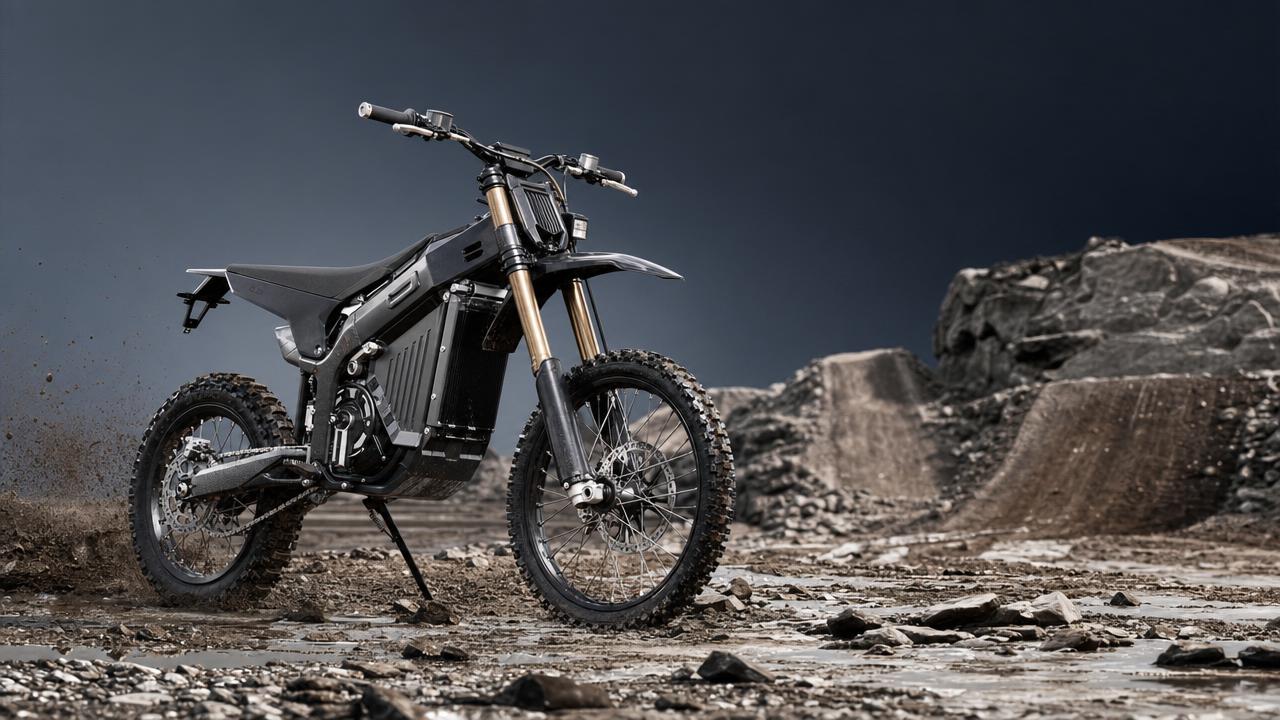
For technical evaluators, off-road e-motorcycle performance is not about headline speed alone. The e-motorcycle performance benchmarks that truly matter include torque delivery, thermal stability, suspension response, battery efficiency, traction control logic, and frame durability under repeated impact. This introduction outlines the core metrics that reveal real-world capability, helping teams compare platforms with greater precision and make better engineering, procurement, and product-positioning decisions.
Defining Off-Road E-Motorcycle Performance
Off-road riding exposes every weakness in power systems, chassis design, and control software. That is why e-motorcycle performance must be measured under load, heat, shock, and terrain variability.
A useful benchmark framework combines mechanical output, electrical efficiency, and durability. It also considers rider control, recovery after repeated stress, and consistency across sand, mud, rock, and climbs.
In this context, e-motorcycle performance means more than peak power. It means how effectively a platform converts stored energy into usable traction over an entire riding cycle.
Core benchmark dimensions
- Torque delivery at low and mid speed
- Thermal stability during repeated acceleration
- Battery efficiency under uneven load cycles
- Suspension control over impacts and rebound events
- Traction management on loose surfaces
- Frame and subframe durability after vibration exposure
Industry Context and Current Evaluation Priorities
The off-road electric segment now sits at the intersection of mobility engineering, sports technology, lightweight materials, and smart controls. That broader industry mix changes how e-motorcycle performance is judged.
Advanced portals such as ACMD track these shifts because performance benchmarks influence design direction, supplier choices, test protocols, and competitive product positioning in fast-moving global markets.
Current attention is moving away from isolated specification sheets. The focus is now integrated system behavior, especially where battery, motor, controller, and chassis interact under dynamic off-road conditions.
The Benchmarks That Matter Most Off Road
1. Torque delivery and controllability
Off-road e-motorcycle performance begins with usable torque. Instant electric thrust is valuable only when delivery remains progressive and predictable over roots, ruts, and loose inclines.
Testers should track throttle mapping, wheelspin onset, and torque retention during repeated climbs. Strong low-end output with smooth modulation often beats aggressive peak figures in technical terrain.
2. Thermal stability under repeated load
Thermal fade can quickly distort e-motorcycle performance results. Motor, inverter, and battery temperatures should be monitored across repeated hill runs, sand sections, and stop-start acceleration sequences.
A machine that loses output after ten minutes may look competitive on paper but fail in actual field use. Stable heat management often separates premium systems from average platforms.
3. Battery efficiency and energy recovery
Battery range figures alone are incomplete. Real e-motorcycle performance depends on watt-hour consumption over mixed terrain, discharge consistency, and voltage sag during high-demand bursts.
Regenerative behavior should also be reviewed carefully. In off-road conditions, excessive regen can upset chassis balance, while calibrated recovery may extend usable riding time on descending sections.
4. Suspension response and chassis composure
Suspension is central to e-motorcycle performance because battery mass alters weight distribution and impact behavior. Compression support, rebound control, and bottom-out resistance must be tested on varied surfaces.
A balanced platform maintains line accuracy while protecting traction. If the chassis kicks, packs, or wallows, electric power advantages are wasted through unstable contact with the ground.
5. Traction control and ride mode calibration
Software now plays a major role in e-motorcycle performance. Traction logic should intervene quickly enough to preserve grip, but not so abruptly that momentum disappears on climbs.
Ride modes must be more than labels. Each mode should produce measurable differences in output ramp, regen intensity, and wheel slip tolerance for changing off-road conditions.
6. Structural durability and fatigue resistance
Repeated impacts test every mount, weld, fastener, and composite junction. Durable e-motorcycle performance requires a frame system that resists cracking, loosening, and alignment drift over long duty cycles.
This is especially important as lightweight materials expand across subframes, guards, and battery enclosures. Lower mass helps handling, but durability margins must remain visible in test data.
Business and Engineering Value of Better Benchmarks
Clear e-motorcycle performance benchmarks reduce uncertainty across development and market evaluation. They help compare platforms objectively, reveal hidden thermal weaknesses, and identify where software tuning outperforms hardware escalation.
For intelligence-driven analysis, benchmark quality also improves product segmentation. It becomes easier to distinguish recreation-focused models from race-oriented machines or utility-biased off-road platforms.
The same data supports component strategy. Battery architecture, motor cooling, carbon-reinforced structures, and controller logic can be prioritized based on measurable field outcomes rather than marketing assumptions.
- Improves technical comparison between competing vehicles
- Supports better lifecycle and reliability forecasting
- Refines product positioning across off-road segments
- Guides material and thermal management decisions
Typical Off-Road Evaluation Scenarios
Not every use case stresses the same systems. A practical e-motorcycle performance review should map benchmarks to terrain, speed profile, and duration of demand.
Practical Guidance for More Reliable Benchmarking
Accurate e-motorcycle performance testing depends on repeatable methods. Terrain, tire pressure, payload, battery state of charge, and ambient temperature should be controlled as closely as possible.
Single-run impressions are rarely enough. Repeated cycles expose heat saturation, suspension drift, and changes in controller behavior that short tests often miss.
Recommended testing practices
- Measure acceleration and climb performance at multiple charge levels.
- Log battery, motor, and controller temperatures continuously.
- Use repeated impact loops to assess chassis and fastener stability.
- Compare ride modes using the same terrain and timing windows.
- Record power fade, not just best-case peak output.
It is also wise to combine numeric data with rider feedback. Perceived controllability, confidence in rough sections, and fatigue levels often reveal meaningful gaps in e-motorcycle performance.
Next-Step Benchmark Framework
A strong benchmark framework turns e-motorcycle performance into an actionable decision tool. Start with six categories: torque, heat, battery efficiency, suspension, traction software, and structural durability.
Then assign weighted scoring based on the intended off-road scenario. Technical trails, race use, and mixed recreational riding should not share identical benchmark priorities.
For market intelligence platforms such as ACMD, this structured approach supports sharper comparisons across vehicle architectures, lightweight materials, drivetrain strategies, and software-controlled riding systems.
When benchmark design reflects real terrain stress, e-motorcycle performance becomes easier to interpret, easier to compare, and far more useful for future engineering and product planning.
Related News