
Monocoque Frame Defects That Raise Warranty Risk

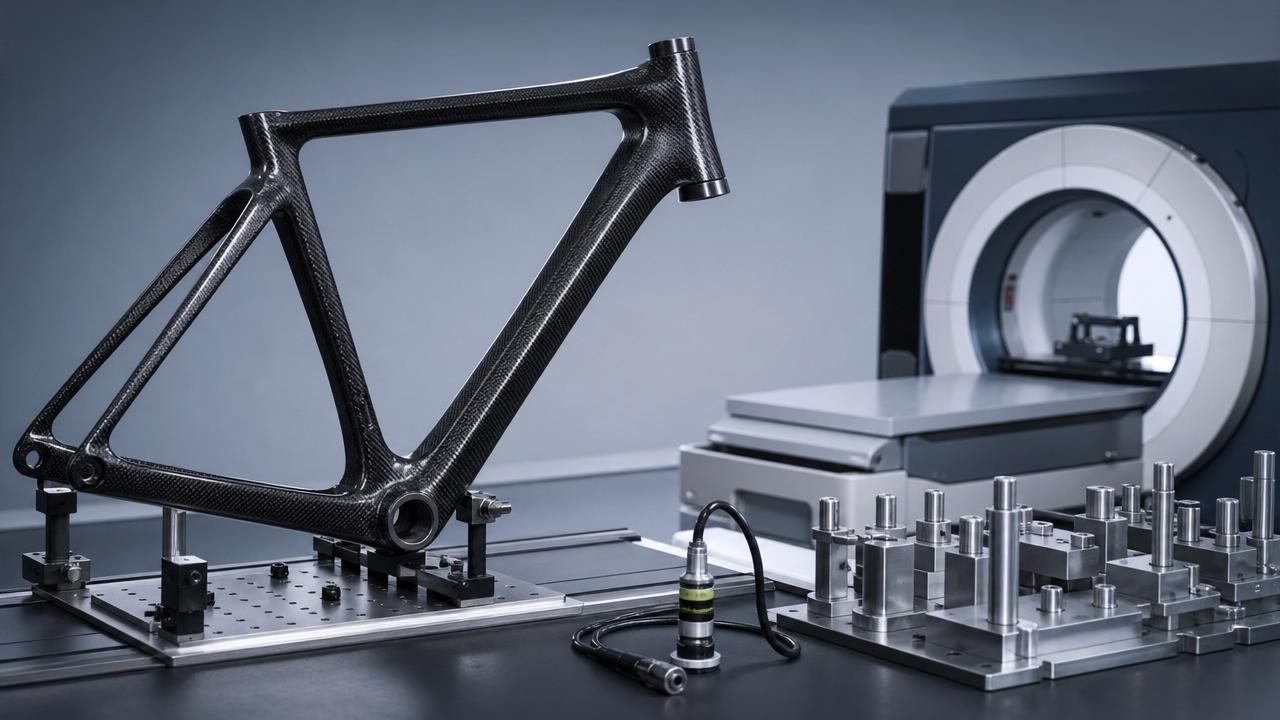
A monocoque frame can deliver exceptional stiffness, weight savings, and aerodynamic efficiency, but hidden defects can quickly turn performance gains into costly warranty exposure. For quality control and safety management teams, understanding where manufacturing, bonding, and material failures emerge is essential to reducing claims, protecting brand credibility, and ensuring every frame meets the durability standards demanded by modern mobility markets.
Why does a monocoque frame create such high warranty risk when defects slip through?
In high-end bicycles, e-bikes, and lightweight mobility platforms, the monocoque frame is not just a structural shell. It is the main load path, the vibration manager, and often the core brand differentiator.
That concentration of function means one defect can trigger multiple failures at once. A small void in a head tube junction may lead to stiffness loss, steering instability, cosmetic cracking, and premature warranty claims.
For QC managers and safety leads, the biggest challenge is that many carbon composite defects are not obvious during routine visual inspection. The frame may pass early checks, ship on time, and still fail in fatigue or field use.
- Defects often originate upstream in layup, resin control, tooling, curing, trimming, or bonded insert installation.
- Symptoms may appear downstream as paint cracking, creaking, alignment drift, soft bottom bracket feel, or sudden loss of local strength.
- Warranty claims rarely arrive labeled by root cause, so weak traceability can hide repeated process faults across production lots.
In the micro-mobility and performance cycling sectors tracked by ACMD, this matters even more. Export compliance, premium market expectations, and rapid model turnover increase the cost of every escaped defect.
What are the most common monocoque frame defects that raise warranty exposure?
Quality teams need defect language that connects manufacturing reality with field risk. The table below maps common monocoque frame defects to likely causes and warranty consequences.
These defects do not carry the same risk in every zone. A small cosmetic issue on a low-stress cover area may stay cosmetic. The same defect near the head tube, seat mast, motor mount, or bottom bracket can become a structural claim.
High-risk locations on a monocoque frame
- Head tube transitions, where steering loads and braking forces combine with tight ply curvature.
- Bottom bracket zones, where torsion, pedaling loads, and bonded metal interfaces create complex stress paths.
- Seat cluster and seat mast areas, especially on lightweight road and gravel platforms.
- Dropouts and axle interfaces, where tolerance errors and insert bonding defects often surface under real use.
- E-bike motor, battery, and suspension attachment regions, where stiffness requirements rise sharply.
How do defects form across the manufacturing process?
Warranty prevention starts with process mapping. A monocoque frame usually fails in the field because several small process deviations lined up, not because of one dramatic mistake.
Layup and preform stage
Fiber orientation errors, ply overlap inconsistency, foreign material contamination, and poor draping around complex corners can all reduce real-world strength. These issues are especially dangerous because they are often buried inside the laminate.
Molding and cure stage
Internal bladder pressure variation, unstable mold temperature, poor venting, and incomplete cure cycles can create voids, resin imbalance, or weak interfaces. Cure drift between shifts is a frequent but underdiagnosed source of lot-to-lot inconsistency.
Post-processing and assembly stage
Aggressive trimming, drilling damage, poor insert preparation, and uncontrolled adhesive application can destroy otherwise good structures. Many field returns tied to a monocoque frame actually begin after demolding, not during molding.
- Review traveler records by frame zone, not just by finished unit.
- Link operator, tool, resin batch, adhesive batch, and cure profile to serial traceability.
- Separate cosmetic rework data from structural rework data to avoid masking risk trends.
Which inspection methods actually help quality teams catch monocoque frame problems?
No single inspection method is enough for a monocoque frame. Smart control plans combine incoming checks, in-process verification, nondestructive testing, and targeted destructive validation.
The next table compares common inspection methods used in composite frame quality assurance and shows where each one adds value.
The most effective strategy is layered inspection. For example, visual controls catch trim and finish issues, while periodic ultrasonic audits confirm that the monocoque frame is not hiding structural defects beneath a clean surface.
What should procurement, QC, and safety teams evaluate before approving a supplier?
A low quote for a monocoque frame often hides expensive downstream risk. Supplier approval should assess process capability, defect prevention discipline, traceability depth, and response quality when nonconformance appears.
Supplier evaluation checklist
- Can the supplier show zone-based control plans for head tube, bottom bracket, dropout, and insert bonding areas?
- Do they track cure profile, resin lot, adhesive lot, tool maintenance, and operator assignment by serial number?
- What nondestructive testing is used in production, in sampling, and during new model ramp-up?
- How are design changes, material substitutions, and cosmetic rework approved and documented?
- Can they distinguish transport damage, assembly misuse, and true manufacturing defects in warranty analysis?
In mobility sectors such as e-bikes and high-load commuter platforms, buyer requirements should also account for battery mass, cargo use, curb impact, and repeated torque loading. A monocoque frame validated for racing conditions is not automatically suitable for urban fleet stress.
How do standards, fatigue testing, and compliance reduce claim risk?
Standards do not replace process control, but they provide a common language for performance expectations. Depending on application, teams often reference general bicycle or e-bike safety frameworks, internal fatigue protocols, and bonded joint evaluation methods.
For a monocoque frame, compliance work should focus on how the frame behaves under repeated loading, impact exposure, and interface stress, not just static pass-fail results.
- Check whether fatigue tests represent the intended rider mass, cargo condition, motor torque, and road shock profile.
- Review whether bonded inserts and metal-composite interfaces are validated separately from the main laminate.
- Confirm that test samples reflect real production methods rather than hand-picked pilot builds.
ACMD’s composite and mobility intelligence perspective is especially useful here. It helps teams connect materials science, structural loading, and market use conditions instead of treating certification as a paperwork event.
Common mistakes that make monocoque frame failures more likely
Many warranty spikes come from management assumptions rather than technical impossibility. The same patterns repeat across premium bicycles, smart micro-mobility systems, and lightweight electric platforms.
Three costly misconceptions
- Assuming cosmetic quality equals structural quality. A flawless finish can still hide delamination, voids, or weak bonding.
- Assuming prototype durability guarantees mass-production stability. Process drift often appears only after takt time rises.
- Assuming all carbon defects are material issues. In many cases, the real cause is tooling wear, curing variation, or post-process damage.
Another common error is weak failure feedback. If warranty reports only say “frame crack,” the factory cannot distinguish impact abuse from systematic laminate weakness. Better field data shortens corrective action time.
FAQ: what do quality and safety teams ask most about monocoque frame control?
How can we tell whether a monocoque frame crack is structural or cosmetic?
Start with location, crack pattern, and use history. Paint cracks around stressed junctions, recurring creak, soft feel under load, or alignment change deserve deeper inspection. Cosmetic-only conclusions should be made carefully and supported by structured checks.
What is the minimum inspection approach for a new supplier?
At minimum, combine incoming material verification, in-process layup and cure checks, dimensional review, visual inspection, and periodic nondestructive audits on high-risk zones. For a new monocoque frame platform, destructive sectioning of sample units is strongly recommended.
Which applications need stricter frame validation?
High-speed e-bikes, cargo-capable urban models, shared mobility fleets, and high-torque off-road platforms usually need stricter validation. Their duty cycles are harsher than standard recreational use, and frame failure consequences are broader.
Why do warranty problems often appear months after shipment?
Composite defects are frequently fatigue driven. A monocoque frame may survive static inspection and early riding but degrade under repeated load, thermal cycling, curb impact, and interface movement. Latent defects reveal themselves over time.
Why choose us for monocoque frame risk analysis and supplier intelligence?
ACMD supports quality and safety decision-making where lightweight composites, mobility performance, and international market expectations intersect. Our value is not limited to publishing sector updates. We help teams interpret how manufacturing detail becomes warranty cost.
If your business is reviewing a monocoque frame program for bicycles, e-bikes, scooters, or performance mobility platforms, you can consult us on practical topics that affect launch quality and claim prevention.
- Parameter confirmation for frame structure, bonded interfaces, and intended use conditions.
- Supplier screening criteria for composite manufacturing maturity and traceability depth.
- Inspection planning, including where to apply visual checks, sampling, and nondestructive methods.
- Delivery risk review for ramp-up models, process transfers, and fast-cycle export programs.
- Certification and compliance discussion for target markets and application categories.
- Sample evaluation support, quotation communication, and custom intelligence requests tied to your product roadmap.
When a monocoque frame fails, the cost is rarely limited to one replacement. It can affect distributor confidence, regulatory exposure, and future platform credibility. A sharper review process upfront is often the most economical form of warranty control.