
Micro-Mobility Trends Changing Urban Investment Priorities

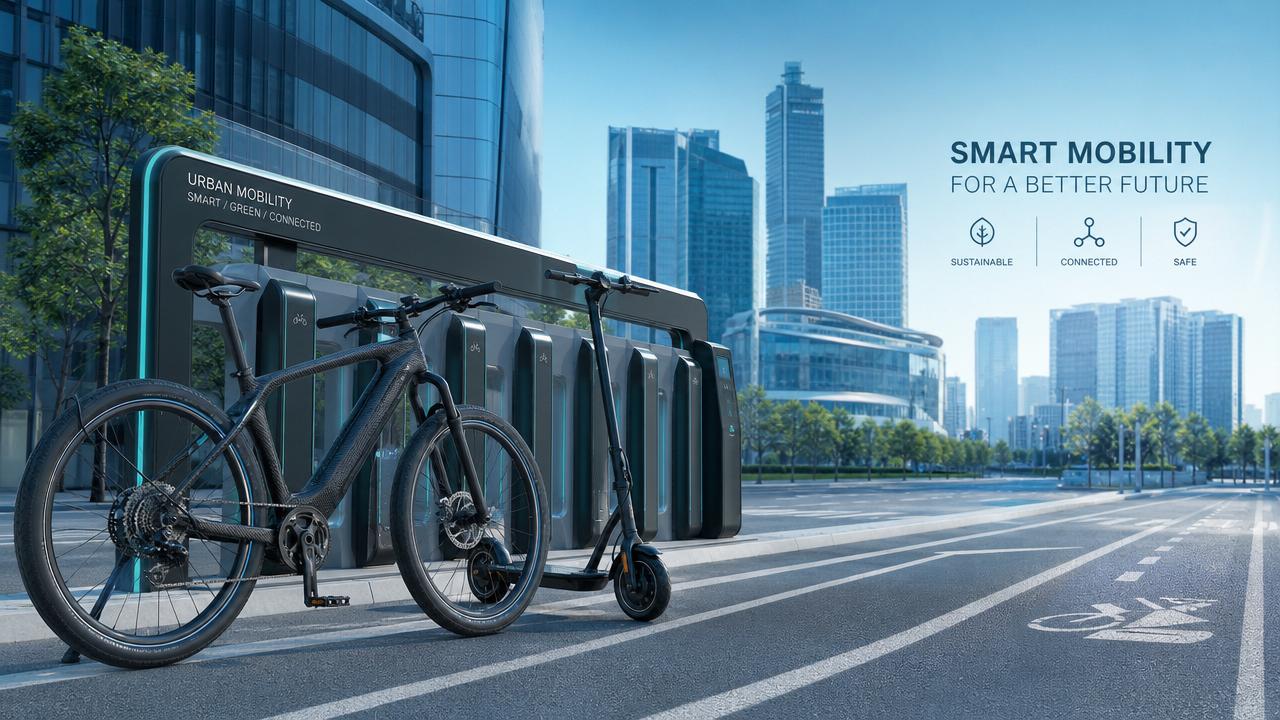
Micro-mobility trends are changing how cities, investors, and technology platforms decide where capital should go. What once looked like a narrow transport niche now influences infrastructure, materials, software, and energy planning.
For ACMD, this shift connects urban demand with premium two-wheel engineering. It also reveals where e-bikes, smart e-scooters, drivetrain innovation, and lightweight carbon structures create lasting commercial value.
Why scenario-based analysis matters for micro-mobility trends
Not every city reacts to micro-mobility trends in the same way. Density, road design, regulation, climate, and power access all shape which vehicles gain traction and which investments stall.
A dense European core may favor shared e-scooters and compact e-bikes. A suburban corridor may reward battery range, cargo capacity, and reliable mechanical durability instead.
That is why urban mobility decisions cannot rely on broad headlines alone. Stronger outcomes come from matching specific use scenarios with technical requirements, cost structures, and policy timing.
Micro-mobility trends now affect several investment layers at once:
- street and charging infrastructure
- fleet management software and IoT controls
- advanced drivetrains and electronic shifting systems
- lightweight materials such as carbon fiber frames
- battery safety, swapping, and energy storage networks
Scenario 1: Dense city centers push fast-return mobility investments
In crowded downtown districts, micro-mobility trends favor vehicles that reduce congestion without demanding large parking footprints. E-scooters and commuter e-bikes often deliver the fastest visible impact.
The core judgment point is turnover efficiency. High trip frequency matters more than top speed. Vehicles must survive frequent starts, curbside parking, and high daily utilization.
What decision-makers should examine
- trip distance under five kilometers
- sidewalk and lane conflict risk
- geofencing compliance quality
- fleet rebalancing cost per day
- weather exposure and maintenance intervals
Here, micro-mobility trends reward durable platforms with smart locking, telematics, and strong braking systems. Investment priority shifts from vehicle quantity alone toward operational control and regulatory fit.
Scenario 2: Transit-linked corridors reward integrated first-mile and last-mile systems
Rail stations, bus hubs, and airport connectors create a different demand pattern. Users need dependable links between major transport nodes and final destinations with minimal wait time.
In this setting, micro-mobility trends support integrated mobility ecosystems rather than isolated devices. Payment interoperability, docking logic, and predictable battery readiness become central investment priorities.
Core judgment points in transit scenarios
Vehicle design should support quick handoff and stable availability. Foldable e-bikes, managed scooter zones, and high-uptime charging workflows usually outperform uncontrolled asset deployment.
This is also where ACMD-style intelligence becomes valuable. Precision drivetrain efficiency, lightweight structures, and battery thermal management directly affect uptime and user trust.
Scenario 3: Premium consumer and sports-tech markets elevate component investments
Not all micro-mobility trends are driven by shared fleets. Premium private ownership is also shifting urban investment priorities, especially where healthy travel and performance identity shape purchasing behavior.
In these markets, buyers respond to advanced carbon fiber frames, electronic derailleur systems, aerodynamic gains, and superior ride feel. The investment case moves beyond transport utility toward high-margin differentiation.
Signals that this scenario is gaining strength
- rising demand for premium commuter e-bikes
- consumer interest in lightweight high-stiffness frames
- faster adoption of wireless electronic shifting
- willingness to pay for branded technical superiority
These micro-mobility trends matter because they redirect capital into materials science, drivetrain precision, and product storytelling. In many cities, premium adoption improves faster than public fleet economics.
Scenario 4: High-speed urban fringe routes change battery and safety priorities
Urban fringes and satellite districts create longer commutes and higher average speeds. Here, high-speed e-motorcycles and long-range e-bikes become more relevant than lightweight short-hop scooters.
The main judgment point is performance consistency under heavier loads. Battery cooling, power delivery, braking confidence, and charging or swapping access determine whether the model scales.
Micro-mobility trends in this scenario also pull investment toward energy infrastructure. Vehicle adoption alone is not enough when route length, terrain, and daily frequency raise power demands.
How demand differs across urban micro-mobility scenarios
Practical adaptation suggestions for shifting investment priorities
The most effective response to micro-mobility trends is not chasing every category. It is building a staged investment map that reflects city form, user behavior, and technical capability.
- Start with route-type analysis instead of product preference.
- Match vehicle class to trip distance and traffic density.
- Treat software, energy, and maintenance as core assets.
- Use premium components where brand trust drives margin.
- Track policy subsidies and right-of-way rules continuously.
For example, cities seeing strong commuting adoption may benefit from e-bike lanes and secure parking first. Markets favoring sports-tech growth may prioritize high-end frames and drivetrain ecosystems.
Common misjudgments when reading micro-mobility trends
A frequent mistake is treating all micro-mobility trends as equal demand signals. Scooter growth does not automatically predict e-bike profitability, and premium bike demand does not guarantee shared fleet success.
Another error is underestimating technical detail. Drivetrain reliability, frame fatigue behavior, electronic interference resistance, and battery heat control can reshape total lifecycle economics.
It is also risky to ignore policy timing. Many urban mobility opportunities depend on lane reallocation, emissions goals, subsidy windows, and parking enforcement maturity.
Finally, some strategies focus too much on hardware volume. The stronger long-term advantage often comes from combining intelligence, materials innovation, and system compatibility.
Next actions for capturing value from micro-mobility trends
Micro-mobility trends are now shaping urban investment priorities across transport, advanced manufacturing, and low-carbon infrastructure. The opportunity is real, but scenario selection matters more than broad enthusiasm.
A practical next step is to map target cities by density, trip length, regulation, and premium willingness to pay. Then align vehicle platforms, component strategy, and infrastructure exposure accordingly.
ACMD’s value lies in connecting these layers. From e-bikes and smart e-scooters to carbon fiber frames and precision derailleur systems, intelligence-led analysis helps identify where the next durable returns will emerge.
Those who interpret micro-mobility trends through real urban scenarios will make better investment decisions, reduce strategic waste, and move earlier on the strongest pockets of future demand.
Related News