
Urban Cycling Trends Shaping Safer Commutes in 2026

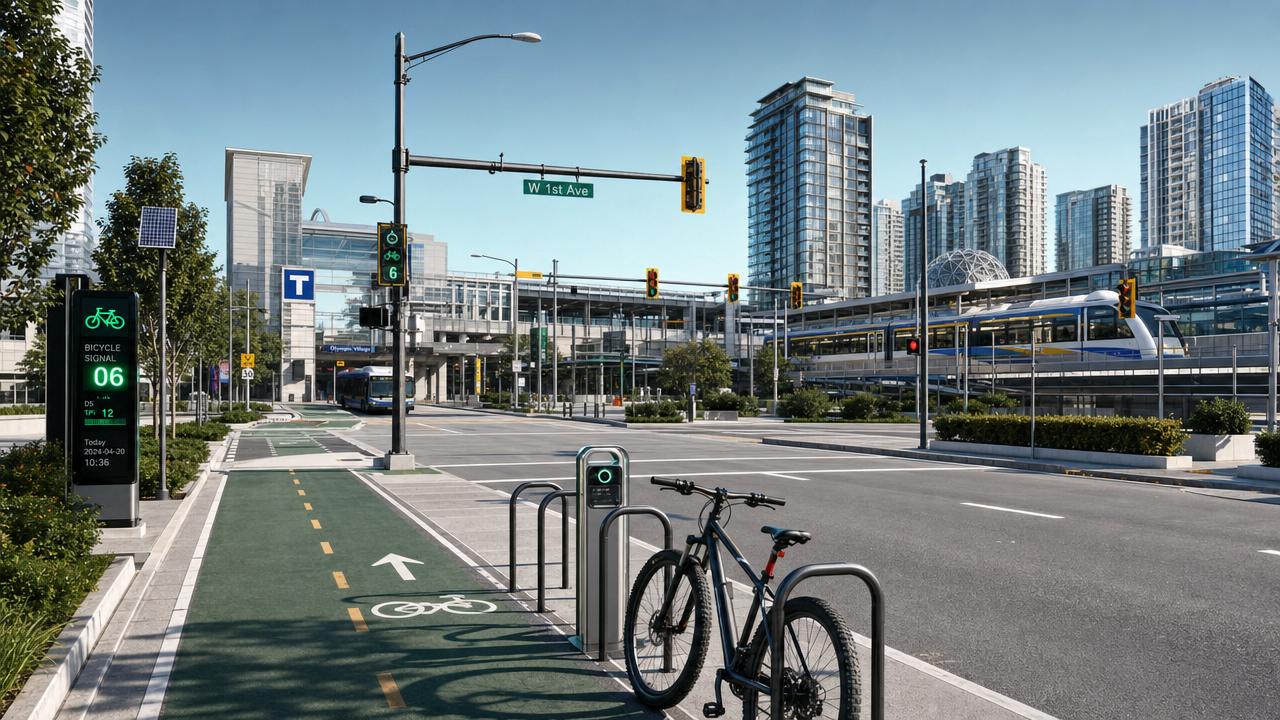
Urban cycling is rapidly evolving from a lifestyle choice into a strategic pillar of safer, smarter city mobility in 2026. For organizations tracking transport, materials, and connected systems, the new urban cycling landscape matters because safety outcomes now depend on infrastructure design, data visibility, lightweight engineering, and policy execution working together.
Across major cities, urban cycling is no longer judged only by bike lane mileage. It is increasingly measured through collision reduction, route predictability, fleet uptime, rider confidence, and the ability to integrate e-bikes, scooters, transit, and logistics into one low-carbon network.
Why a Checklist Approach Matters for Urban Cycling in 2026
Safer commutes are shaped by many moving parts. Urban cycling projects can fail when cities, operators, and technology providers optimize one variable while ignoring the rest. A checklist creates discipline, speeds evaluation, and helps compare opportunities across different urban contexts.
It also supports better capital allocation. Whether the focus is shared mobility, commuter e-bikes, carbon fiber components, or smart traffic integration, decision quality improves when safety, compliance, durability, and user adoption are reviewed together.
Core Checklist: Urban Cycling Trends Shaping Safer Commutes
- Prioritize protected networks that separate urban cycling flows from high-speed traffic, especially at intersections where turning conflicts, poor sightlines, and delivery activity create the highest crash probability.
- Deploy connected signals that detect bicycles and micro-mobility devices in real time, then adjust crossing phases to reduce queue mixing, red-light pressure, and unsafe overtaking behavior.
- Standardize vehicle-to-infrastructure data sharing so urban cycling routes can reflect congestion, weather exposure, road surface conditions, and temporary hazards without manual reporting delays.
- Expand e-bike adoption with battery safety standards, torque calibration, and predictable acceleration profiles that improve rider control while preserving the speed advantages commuters expect.
- Use lightweight materials strategically, including advanced alloys and carbon fiber structures, to improve handling, braking response, and fatigue reduction without compromising durability in dense city use.
- Integrate smart lighting, radar, and acoustic alerts into urban cycling platforms so riders and surrounding vehicles gain earlier awareness during low-visibility or mixed-traffic conditions.
- Align curb management with urban cycling demand by redesigning loading zones, pickup areas, and parking controls that otherwise push riders into conflict with buses, cars, and service vehicles.
- Measure safety through near-miss mapping, route completion, and braking events, not only through severe collisions, because leading indicators reveal infrastructure weaknesses much earlier.
- Strengthen drivetrain reliability through low-maintenance transmissions and precise electronic shifting systems that reduce mechanical failures during stop-start commuting and variable weather exposure.
- Connect urban cycling planning with transit hubs so riders can transfer smoothly between rail, bus, and shared systems, lowering car dependence while improving first-mile and last-mile safety.
How These Urban Cycling Trends Play Out in Different Scenarios
Central Business Districts
In dense commercial zones, urban cycling safety depends on intersection clarity more than top speed. Protected corners, signal priority, and delivery window management often deliver stronger safety gains than adding narrow painted lanes.
Connected e-bikes and shared fleets also matter here. Telematics can identify repeat braking hotspots, while lightweight frames and precise shifting improve maneuverability in crowded streets with frequent starts and lane changes.
Residential and School Corridors
In neighborhood routes, safer urban cycling is closely tied to speed moderation and visibility. Lower vehicle speeds, raised crossings, and daylighted intersections reduce conflict intensity and build confidence for younger or less experienced riders.
This is also where cargo e-bikes and family mobility solutions are growing fastest. Stability, braking consistency, and weather-resistant electrical systems become more important than peak performance or long-range battery specifications.
Industrial, Logistics, and Peri-Urban Routes
Urban cycling on outer corridors faces different risks, including heavy vehicles, poor lighting, larger turning radii, and rough pavement. Here, route continuity and high-visibility warning systems often matter more than aesthetic infrastructure upgrades.
For commercial fleets, robust drivetrains, puncture-resistant tires, and predictive maintenance platforms are critical. Safety improves when route planning, battery management, and component durability are treated as one operating system.
Commonly Overlooked Risks in Urban Cycling Strategy
Ignoring Intersection Geometry
Many urban cycling plans emphasize route length but overlook corner design. Tight turning conflicts, parked vehicle sight obstructions, and signal timing mismatches can erase the safety value of otherwise strong corridor investments.
Treating Data as a Back-Office Function
Safety data should shape live operations, not only annual reporting. If braking patterns, crash clusters, and battery faults are not connected to route or maintenance decisions, urban cycling performance will plateau quickly.
Overlooking Material and Component Quality
Low-cost hardware can raise long-term risk. Weak braking systems, poor frame stiffness, or unreliable transmissions reduce rider control. In high-frequency use, engineering quality directly influences urban cycling safety outcomes.
Separating Policy from Product Design
Regulation is increasingly shaping vehicle classes, battery handling, geofencing, and speed governance. Urban cycling solutions that ignore future compliance trends may face redesign costs, restricted market access, or operational disruption.
Practical Execution Steps for 2026
- Audit the top ten commuter corridors using near-miss data, curb activity, pavement quality, and nighttime visibility before approving any network expansion.
- Pilot connected urban cycling zones with smart signals, fleet telemetry, and geofenced speed controls to validate measurable safety improvements.
- Specify component standards for brakes, drivetrains, batteries, and frame materials based on lifecycle performance, not only initial procurement cost.
- Link transit operators, shared mobility platforms, and road authorities through a common dashboard for incident patterns and route reliability.
- Review incentive policies for e-bikes and micro-mobility devices to ensure subsidies support safer urban cycling adoption, not uncontrolled speed growth.
Conclusion: Turning Urban Cycling Trends into Safer Competitive Advantage
Urban cycling in 2026 is being reshaped by protected infrastructure, connected traffic systems, advanced materials, intelligent drivetrains, and stricter policy frameworks. The strongest results come from combining these elements rather than treating them as isolated upgrades.
The next practical step is simple: build a corridor-by-corridor checklist, score current risk exposure, and prioritize investments that improve rider predictability, vehicle control, and data-led response. That is how urban cycling becomes not only greener, but consistently safer and more resilient.
Related News