
Bicycle Derailleur Components That Most Affect Shift Accuracy

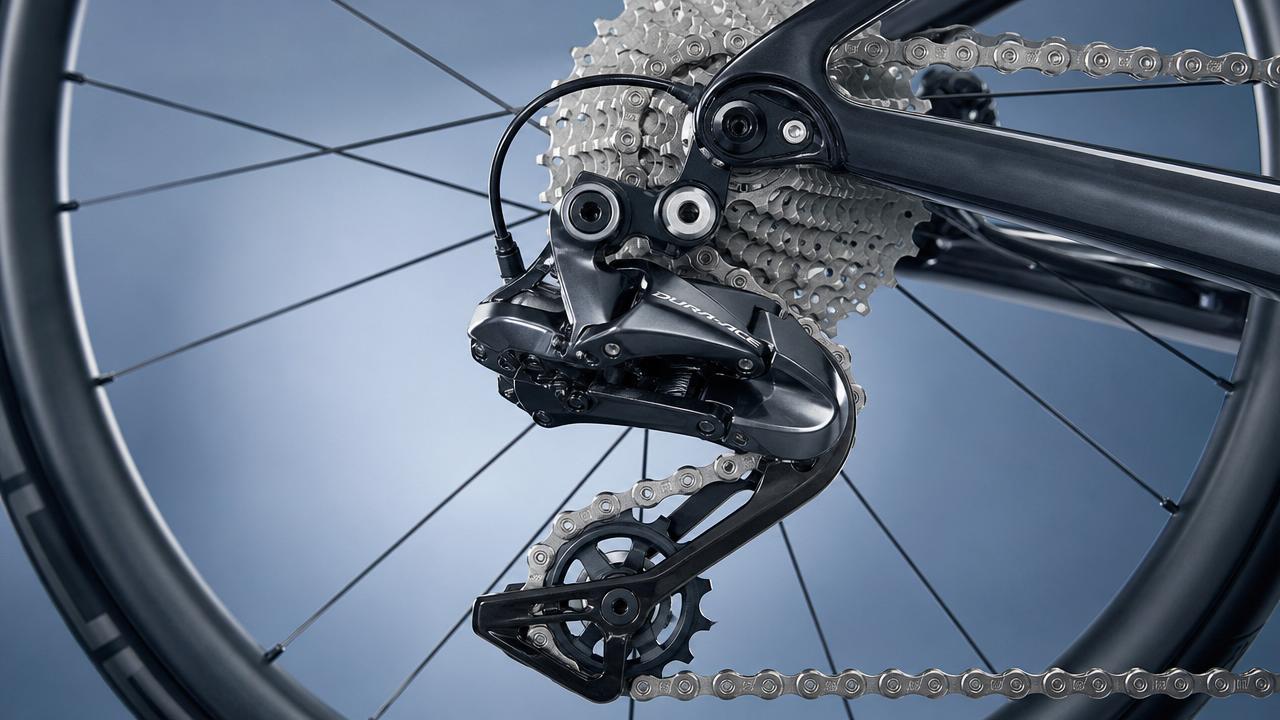
For aftermarket technicians, shift precision depends less on brand labels and more on the condition, setup, and interaction of key Bicycle Derailleur Components. From hanger alignment and pulley wear to cable tension, clutch performance, and electronic response, even small deviations can cause missed shifts under load. This article highlights the parts that most directly influence accuracy and explains how to diagnose them efficiently in real-world service conditions.
In workshop reality, shift complaints rarely come from a single failed part. More often, accuracy drops because 3 to 5 small tolerances stack together: a hanger bent by 2 mm, a sticky housing section, pulley teeth worn into hooks, or firmware that has not been recalibrated after wheel removal. For service teams supporting road bikes, MTB platforms, gravel builds, and e-bikes, understanding which Bicycle Derailleur Components affect indexing most is essential for faster diagnosis, lower comeback rates, and better parts planning.
Why Shift Accuracy Fails in Real Service Conditions
Accurate shifting is a system outcome. The rear derailleur, shifter, cassette, chain, hanger, cable path, and frame interface must all work within a narrow alignment window. On modern 11-speed and 12-speed drivetrains, lateral error tolerance is significantly tighter than on 8-speed or 9-speed systems, so a deviation that once felt acceptable can now produce hesitation, chain noise, or double shifts.
Aftermarket technicians also deal with contamination, impact damage, mixed-component builds, and rider misuse. A bike used in wet commuting 5 days per week and washed with high-pressure spray will age differently from a race bike serviced every 2 weeks. That is why inspection order matters as much as component quality.
The most common workshop symptoms
- Slow upshifts into larger cogs under moderate load
- Overshifting by 1 cog, then settling back
- Noise in 2 to 3 middle gears despite fresh indexing
- Good shifting on the stand but poor shifting on the road
- Inconsistent response after wheel installation or transport impact
These symptoms usually point to interface errors rather than catastrophic failure. In many service cases, the root cause is found within the first 4 checks: hanger alignment, cable drag, pulley wear, or B-gap setting.
Where technicians should look first
Before replacing expensive drivetrain parts, technicians should verify foundational geometry. Rear derailleur indexing depends on the derailleur body moving in a path parallel to the cassette. If the hanger is not straight within roughly 3, 6, 9, and 12 o’clock clocking positions, no barrel adjustment will fully solve the issue. For many service departments, this is the highest-value first inspection because it prevents unnecessary part swaps.
The table below summarizes the Bicycle Derailleur Components that most often influence shift accuracy and the type of fault each one creates during service diagnosis.
For most workshops, hanger alignment and cable condition account for a large share of avoidable shift complaints. Pulley wear and B-gap become more critical on wide-range 1x drivetrains, where chain angle and cage motion are more sensitive across 10 to 12 cogs.
The Bicycle Derailleur Components With the Highest Influence
Not every drivetrain part contributes equally to shift accuracy. Some components directly control lateral tracking, while others influence consistency under load, vibration, or contamination. For aftermarket maintenance personnel, prioritizing these Bicycle Derailleur Components improves both labor efficiency and first-time fix rate.
Hanger alignment: the first precision checkpoint
A misaligned hanger changes the derailleur’s travel plane relative to the cassette. Even a visually minor bend can be enough to create one clean end of the cassette and one noisy end. On 12-speed systems, a small lateral offset may already be enough to compromise indexing. This is why alignment should be measured, not guessed.
Service priority
Check hanger alignment before cable adjustment, before replacing the derailleur, and before blaming cassette wear. If the bike has been tipped over, packed for shipping, or hit on the drivetrain side, alignment inspection should move to step 1 in the service flow.
Cable tension and housing friction in mechanical systems
Mechanical shifting accuracy depends on low-friction, repeatable cable movement. Compressionless behavior matters more on narrow cog spacing, where each click corresponds to a small derailleur displacement. A housing section with internal contamination can create lag in one shift direction and overcompensation in the other.
Typical warning signs
- Shifts improve temporarily after barrel adjustment but drift again within 10 to 20 km.
- Downshifts feel strong, but upshifts require 2 clicks or reduced pedaling force.
- Housing ends show mushrooming, rust staining, or liner collapse.
Pulley wheels and cage play
Guide pulleys do more than reduce friction. They stabilize chain tracking as the derailleur moves across the cassette. Excess side play, worn tooth profiles, or dry bearings reduce chain control. On high-mileage commuter fleets and e-bikes with higher torque events, pulley wear may appear sooner than many workshops expect.
A useful practical threshold is to inspect pulleys closely once drivetrain noise rises despite a clean chain and fresh indexing, or when the system has crossed a heavy-use service interval such as 2,000 to 4,000 km, depending on contamination level and rider load.
B-tension and upper pulley gap
Wide-range cassettes demand correct upper pulley clearance. Too small a gap can cause contact or rumble in low gears. Too large a gap weakens shift authority into larger cogs. Many modern drivetrains specify this distance with setup gauges or reference marks, and technicians should respect those procedures rather than relying on visual approximation alone.
Clutch mechanism performance
On clutch-equipped rear derailleurs, chain stability improves when cage resistance remains within intended range. If clutch drag becomes excessive, shifting can feel heavy or delayed. If it becomes weak, chain slap and chain growth instability can disturb indexing on rough terrain. For MTB, gravel, and urban cargo use, clutch condition affects both noise control and real shift precision.
Electronic battery status, firmware, and actuator response
Electronic systems remove cable friction but introduce new variables. Low battery state, outdated firmware, connector contamination, and failed micro-adjustment can all degrade performance. The symptom profile is different: instead of sticky return, technicians may see delayed actuation, intermittent non-shifts, or accurate shifting on the stand but errors under torque spikes.
For electronic Bicycle Derailleur Components, diagnostic time can often be reduced by following a 4-step sequence: battery charge check, firmware confirmation, derailleur alignment check, and electronic trim verification. Skipping the mechanical alignment step is a common mistake because digital systems still depend on physical geometry.
A Practical Inspection Sequence for Aftermarket Technicians
Efficient service is not only about technical knowledge but also about process discipline. A repeatable inspection order helps technicians isolate faults within 10 to 15 minutes on common workshop jobs and avoids replacing cassettes, shifters, or derailleurs before root cause is verified.
Recommended 6-step workflow
- Confirm wheel seating and axle tightness.
- Measure hanger alignment.
- Inspect chain wear, cassette tooth condition, and chain compatibility.
- Check pulley wear, cage movement, and clutch behavior.
- Verify cable friction or electronic response.
- Set limit screws, B-gap, and final indexing under load simulation.
This order matters because wheel seating errors and bent hangers can mimic deeper drivetrain faults. In busy service centers, beginning with these fundamentals can cut repeat visits and improve spare-parts accuracy.
The following table provides a service-oriented diagnosis matrix that technicians can use when evaluating Bicycle Derailleur Components in mechanical and electronic systems.
This matrix helps technicians move from symptom-based guesswork to component-based diagnosis. It is especially useful in mixed fleets, where road, MTB, gravel, and e-bike drivetrains arrive with different wear patterns but similar customer complaints.
Selection, Replacement, and Stocking Advice for Service Departments
For B2B maintenance teams, accurate repairs depend not only on skill but also on stocking the right service parts. The most effective inventory strategy is usually not holding complete derailleur assemblies for every platform, but maintaining high-turn, failure-prone Bicycle Derailleur Components that directly affect shift quality.
What to keep in service stock
- Common derailleur hangers for supported frame families
- Inner cables, housing kits, end caps, and ferrules
- Guide and tension pulley sets for major speed standards
- Chain wear gauges and hanger alignment tools
- Battery chargers, diagnostic leads, and firmware access tools for electronic systems
If workshop volume exceeds 20 to 30 drivetrain jobs per month, keeping these items available can reduce turnaround time significantly. For commuter fleets and delivery e-bikes, replacement intervals may be shorter because higher torque, poor weather exposure, and infrequent cleaning accelerate wear on pulleys, chains, and housing.
Common replacement mistakes
Replacing the derailleur before checking the interface
A new derailleur installed onto a bent hanger or paired with contaminated housing will not restore shift precision. This creates unnecessary cost and can damage customer confidence.
Ignoring compatibility across speed standards
Not all pulleys, cages, chains, and cassettes behave the same across 10-speed, 11-speed, and 12-speed drivetrains. Chain width, ramp profiles, and derailleur geometry can alter shift feel even when parts appear physically interchangeable.
Skipping final loaded testing
A repair validated only on a stand may miss clutch drag, cable hesitation, or axle seating problems that appear under rider torque. A short road test or load simulation remains one of the best quality-control steps in aftermarket service.
Service Value in a Market Moving Toward Precision and Electrification
As two-wheeled mobility becomes more technical, the service role expands from basic adjustment to system-level diagnosis. High-end mechanical drivetrains, wireless shifting, carbon frame interfaces, and performance e-bikes all demand tighter tolerances than earlier generations. For maintenance teams, that means process, measurement, and parts knowledge matter more than brand familiarity alone.
The Bicycle Derailleur Components that most affect shift accuracy are rarely the most expensive items on the bike. Hangers, pulleys, cable systems, clutch units, and electronic calibration points often determine whether a drivetrain shifts cleanly in 1 click or hesitates across 2 to 3 cogs. Technicians who standardize these checks can improve service consistency, parts forecasting, and customer retention across road, MTB, gravel, and urban mobility applications.
If your team is evaluating drivetrain service procedures, parts selection, or maintenance workflows for premium bicycles and micro-mobility platforms, now is the time to review the Bicycle Derailleur Components that drive real-world accuracy. Contact us today to discuss a tailored service strategy, request component guidance, or learn more solutions for precision drivetrain maintenance.