
Carbon Fiber Manufacturing Costs: What Impacts Supplier Quotes Most

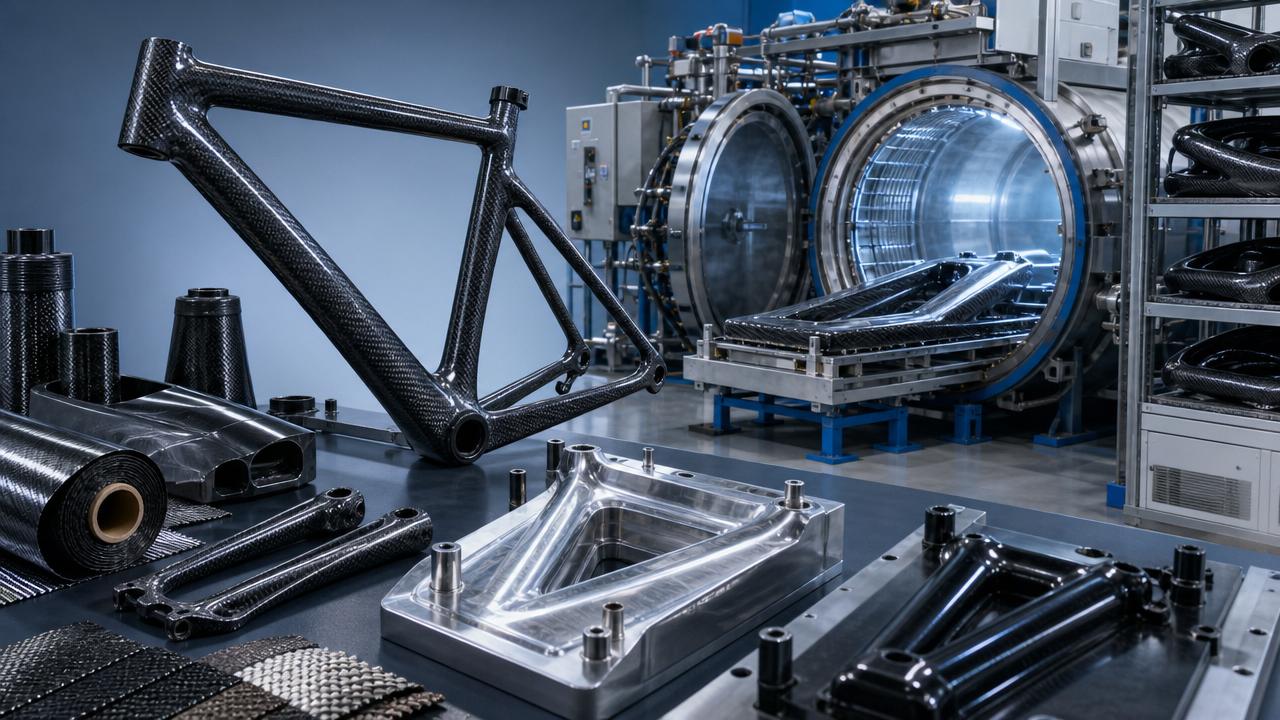
For procurement teams sourcing high-performance components, carbon fiber manufacturing costs can vary far beyond raw material prices alone.
From fiber grade and layup complexity to tooling, labor, curing cycles, and supplier scale, every detail shapes the final quote.
Understanding carbon fiber manufacturing cost drivers helps compare suppliers fairly, reduce hidden risk, and improve total project value.
This matters across mobility, cycling, precision transmission, and lightweight structures, where performance targets often push materials and process controls to their limits.
Carbon Fiber Manufacturing Cost Basics
Carbon fiber manufacturing refers to the full chain of converting fiber, resin, tooling, and labor into a finished structural part.
Supplier quotes usually combine direct material cost, process cost, quality assurance, overhead, and margin.
A low quote may reflect simpler inspection, lower scrap assumptions, or limited process documentation rather than stronger efficiency.
In advanced mobility sectors, quote gaps often come from design complexity and reliability requirements, not only from carbon fiber price swings.
Main quote elements
- Fiber type, tow size, modulus, and origin
- Resin system and prepreg or dry fiber route
- Part geometry, wall thickness, and layup schedule
- Tooling design, mold life, and cavity count
- Labor intensity and automation level
- Curing method, cycle time, and energy use
- Testing, traceability, and cosmetic standards
Industry Context Shaping Carbon Fiber Manufacturing Quotes
Across e-bikes, carbon fiber frames, drivetrain parts, and aerospace-inspired mobility components, performance expectations continue rising.
Buyers now expect lower weight, higher stiffness, cleaner surfaces, tighter tolerances, and stronger sustainability credentials in the same project.
That combination raises pressure on carbon fiber manufacturing systems and explains why supplier quotes diverge so sharply.
What Impacts Carbon Fiber Manufacturing Costs Most
Several cost factors matter, but not all have equal weight in every quote.
The biggest drivers usually appear where design ambition meets process difficulty.
1. Fiber grade and material system
Standard modulus fiber costs less than intermediate or high modulus grades.
Aerospace-style prepregs, toughened resins, and specialty weave formats can quickly raise carbon fiber manufacturing cost.
2. Layup complexity
A simple tube or panel is easier to build than a monocoque frame with many ply transitions.
More ply drops, inserts, local reinforcements, and angle changes mean more labor and more defect risk.
3. Tooling strategy
Tooling often dominates early project economics, especially for low-volume programs.
Mold material, precision, cavity count, and expected tool life all influence amortized unit cost.
4. Process route
Hand layup, bladder molding, compression molding, resin transfer molding, and autoclave curing carry different cost structures.
A cheaper route may reduce consistency or limit geometry, while a premium route may improve repeatability.
5. Labor and skills
Carbon fiber manufacturing remains labor sensitive, especially for structural and cosmetic parts.
The skill required for cutting, kitting, layup, debulking, trimming, bonding, and inspection strongly affects quotes.
6. Scrap and yield assumptions
Hidden scrap rates can change supplier economics more than unit fiber prices.
Complex shapes, visible weave requirements, and strict stiffness targets usually increase reject probability.
7. Testing and compliance
Static, fatigue, impact, and bonding validation add development cost and sometimes recurring batch cost.
For mobility applications, quality evidence often matters as much as the nominal carbon fiber manufacturing price.
Business Value of Understanding Carbon Fiber Manufacturing Costs
Better quote analysis supports more reliable sourcing decisions across lightweight mobility and precision mechanical industries.
It helps separate real process capability from quotes that look attractive only on paper.
This is especially important where component failure, warranty exposure, or launch delay can erase any initial savings.
- Improves apples-to-apples supplier comparison
- Reveals cost concentration in tooling or labor
- Supports make-versus-buy decisions
- Reduces risk in premium mobility launches
- Strengthens negotiation with technical evidence
Typical Carbon Fiber Manufacturing Scenarios
Not every part should be quoted or evaluated the same way.
The most useful view is to classify parts by geometry, performance requirement, and production volume.
Practical Guidance for Evaluating Supplier Quotes
A reliable quote review should move beyond headline price and examine the assumptions behind carbon fiber manufacturing cost.
Request a cost breakdown
Ask for separate visibility on materials, tooling, labor, finishing, testing, packaging, and expected scrap.
Check the process match
Confirm that the proposed manufacturing route fits the performance target, annual volume, and cosmetic requirement.
Review quality controls
Inspection points, traceability, and test plans should align with the application risk level.
Validate tooling assumptions
Tool life, maintenance, and ownership terms can change long-term economics significantly.
Consider logistics and change management
Freight, lead time buffers, engineering changes, and replacement parts should be included in total landed cost thinking.
Next-Step Perspective for Carbon Fiber Manufacturing Decisions
The best carbon fiber manufacturing quote is rarely the cheapest line item.
It is the quote that balances material choice, process stability, quality confidence, and scalable economics.
For advanced cycle, mobility, and lightweight programs, a structured review of supplier assumptions creates clearer benchmarks and better outcomes.
Use that framework to compare carbon fiber manufacturing partners by capability, not just by price, and project decisions become faster and more defensible.
Related News