
Micro-Mobility Trends Increasing Safety Risks and Compliance Pressure

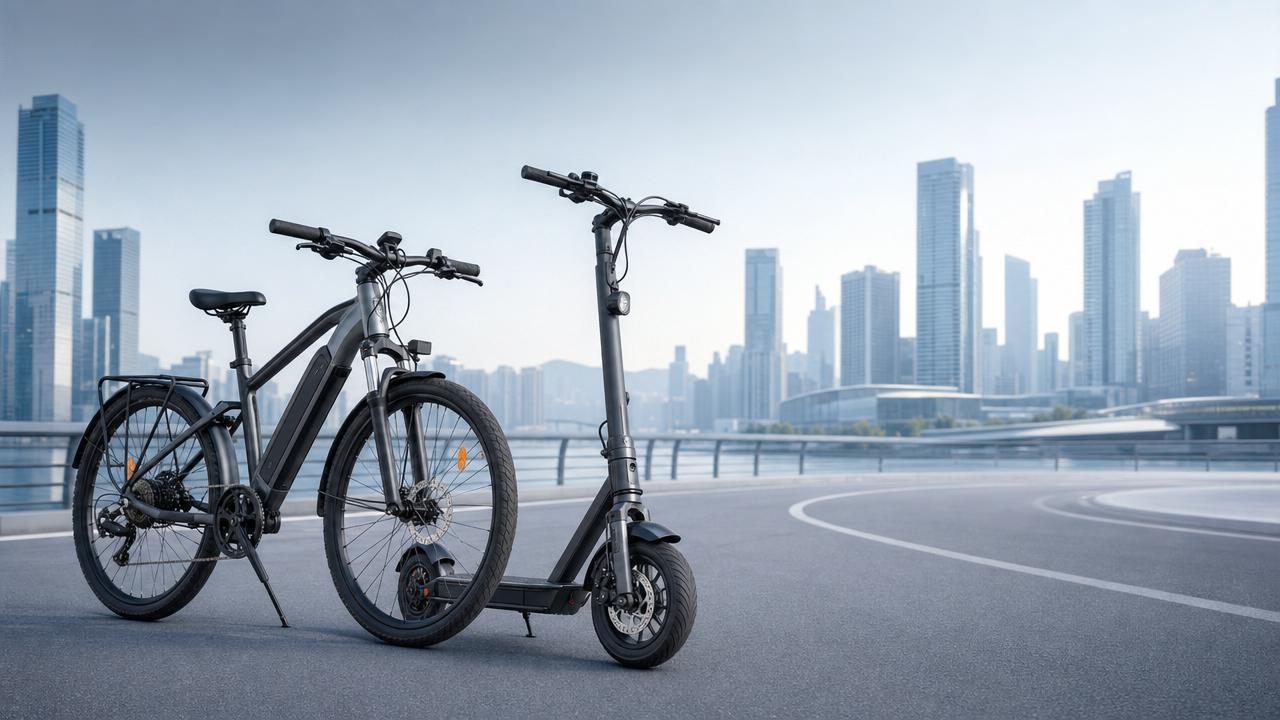
Micro-Mobility Trends Increasing Safety Risks and Compliance Pressure
As micro-mobility trends reshape urban transport, risk exposure is expanding just as quickly as market opportunity.
E-bikes, smart e-scooters, and high-speed electric two-wheelers now combine software, batteries, lightweight materials, and connected controls in one compact platform.
That convergence raises performance expectations, but it also increases failure points across design, sourcing, assembly, charging, fleet operations, and post-market surveillance.
For sectors tracked by ACMD, the most important question is no longer whether micro-mobility trends will grow.
The real question is how to manage safety, traceability, and regulatory readiness before growth turns into recalls, injuries, or market access barriers.
Why Structured Review Matters as Micro-Mobility Trends Accelerate
Rapid innovation often compresses validation timelines.
When lighter frames, faster controllers, wireless electronics, and denser battery packs enter production together, interactions become harder to predict through isolated testing alone.
At the same time, micro-mobility trends are driving regulators to tighten standards on battery transport, fire safety, braking performance, rider protection, data handling, and environmental claims.
A structured review helps connect engineering risks with legal obligations.
It also supports faster decisions when products cross borders, suppliers change, or software updates affect vehicle behavior after launch.
Core Safety and Compliance Checks for Today’s Micro-Mobility Trends
- Verify battery cell origin, pack design, thermal protection, charging logic, and transport documentation before any shipment or fleet deployment begins.
- Confirm braking performance under wet, loaded, downhill, and repeated-stop conditions rather than relying only on controlled laboratory benchmarks.
- Review frame, fork, and steering durability with fatigue, impact, and vibration testing that reflects actual urban road abuse.
- Check software, sensors, and electronic shifting or control systems for fail-safe behavior during signal loss, low voltage, or firmware corruption.
- Map each product to regional rules covering speed limits, power classes, lighting, reflectors, labeling, and rider-use restrictions.
- Audit supplier traceability for batteries, composite materials, chargers, controllers, and critical fasteners used in safety-related assemblies.
- Validate charger compatibility and user instructions to reduce misuse, overheating, counterfeit accessory risks, and unauthorized battery substitutions.
- Examine electromagnetic compatibility where dense electronics, wireless modules, GPS, IoT functions, and drive systems operate simultaneously.
- Ensure post-market monitoring captures incident reports, field failures, software anomalies, and near misses across every operating geography.
- Test claims about lightweight performance, range, and durability against evidence to avoid misleading marketing and compliance disputes.
Application Notes Across Key Mobility Segments
Electric Bicycles
Among current micro-mobility trends, e-bikes face heavy scrutiny because they blend consumer cycling expectations with electrical product obligations.
Key checks include pedal-assist logic, battery enclosure sealing, drivetrain load transfer, charger matching, and frame fatigue under mixed commuter and sport use.
Smart E-Scooters
Shared and privately owned scooters introduce additional software and fleet-management concerns.
Geofencing accuracy, remote locking, harsh curb impacts, folding mechanism wear, and nighttime visibility should be reviewed together, not as separate feature sets.
High-Speed Electric Two-Wheelers
Higher speeds magnify stopping distance, thermal stress, and crash severity.
For this segment, micro-mobility trends demand stricter attention to battery cooling, structural stiffness, torque delivery, regenerative braking balance, and emergency shutoff behavior.
Precision Drivetrain and Lightweight Components
Electronic derailleurs and carbon fiber frames bring premium performance, but they also shift the compliance burden toward validation depth and materials consistency.
Inspect adhesive quality, layup repeatability, crash damage visibility, signal reliability, and repair guidance before performance claims are released.
Commonly Overlooked Risks Behind Micro-Mobility Trends
Accessory and Aftermarket Mismatch
Many failures begin after sale.
Third-party chargers, modified controllers, replacement batteries, and non-approved brake parts can invalidate testing assumptions and create hidden liability.
Software Changes Without Compliance Review
A firmware update may alter acceleration, speed limiting, battery behavior, or geofencing response.
If change control is weak, legal classification and safety performance may shift without clear documentation.
Incomplete Incident Feedback Loops
Field complaints often sit in separate systems.
When warranty, service, logistics, and app data are not linked, early warning signals are missed until defects become public events.
Cross-Border Rule Drift
Micro-mobility trends are global, but regulations remain fragmented.
A model compliant in one country may require different labeling, speed settings, or battery certifications elsewhere.
A Practical Way to Execute the Review
Start with a product-risk map.
List every safety-critical subsystem, then connect each one to testing evidence, supplier records, user warnings, and applicable regional requirements.
- Create one master file for product classification, certifications, drawings, firmware versions, and approved component combinations.
- Set review triggers for design changes, supplier substitutions, battery updates, software releases, and recurring field complaints.
- Run abuse-based testing, not only nominal-condition testing, especially for charging, braking, vibration, and enclosure durability.
- Use serial-level traceability for batteries, controllers, and frame batches to support targeted recalls if needed.
- Align marketing claims with technical evidence so range, speed, lightweight, and smart features remain defensible.
This approach turns micro-mobility trends into an intelligence process instead of a reactive compliance burden.
Questions Often Raised
Why are battery risks central to micro-mobility trends?
Because energy density, charging behavior, storage conditions, and transportation rules all converge in one component with high incident visibility.
Do lightweight materials reduce or increase compliance pressure?
They can do both.
Advanced composites improve performance, but they require stronger proof of repeatable manufacturing, damage tolerance, and repair guidance.
How often should reviews be updated?
At minimum, update after any design change, regulatory change, serious complaint cluster, supplier change, or software modification affecting vehicle behavior.
Conclusion and Next Steps
Micro-mobility trends are pushing the industry toward smarter, lighter, faster, and more connected vehicles.
Those same advances increase exposure to battery failures, structural weaknesses, software faults, and regulatory misalignment.
The strongest response is disciplined review across design, materials, electronics, data, and market-specific rules.
For ACMD-focused sectors, the priority is clear: treat safety and compliance as part of performance engineering, not as a final approval step.
Begin with the checklist above, audit evidence gaps, and update controls before the next product launch, export cycle, or fleet expansion.
Related News