
Electric Bike Batteries Custom Pack: Cost, Safety, and Lead Time

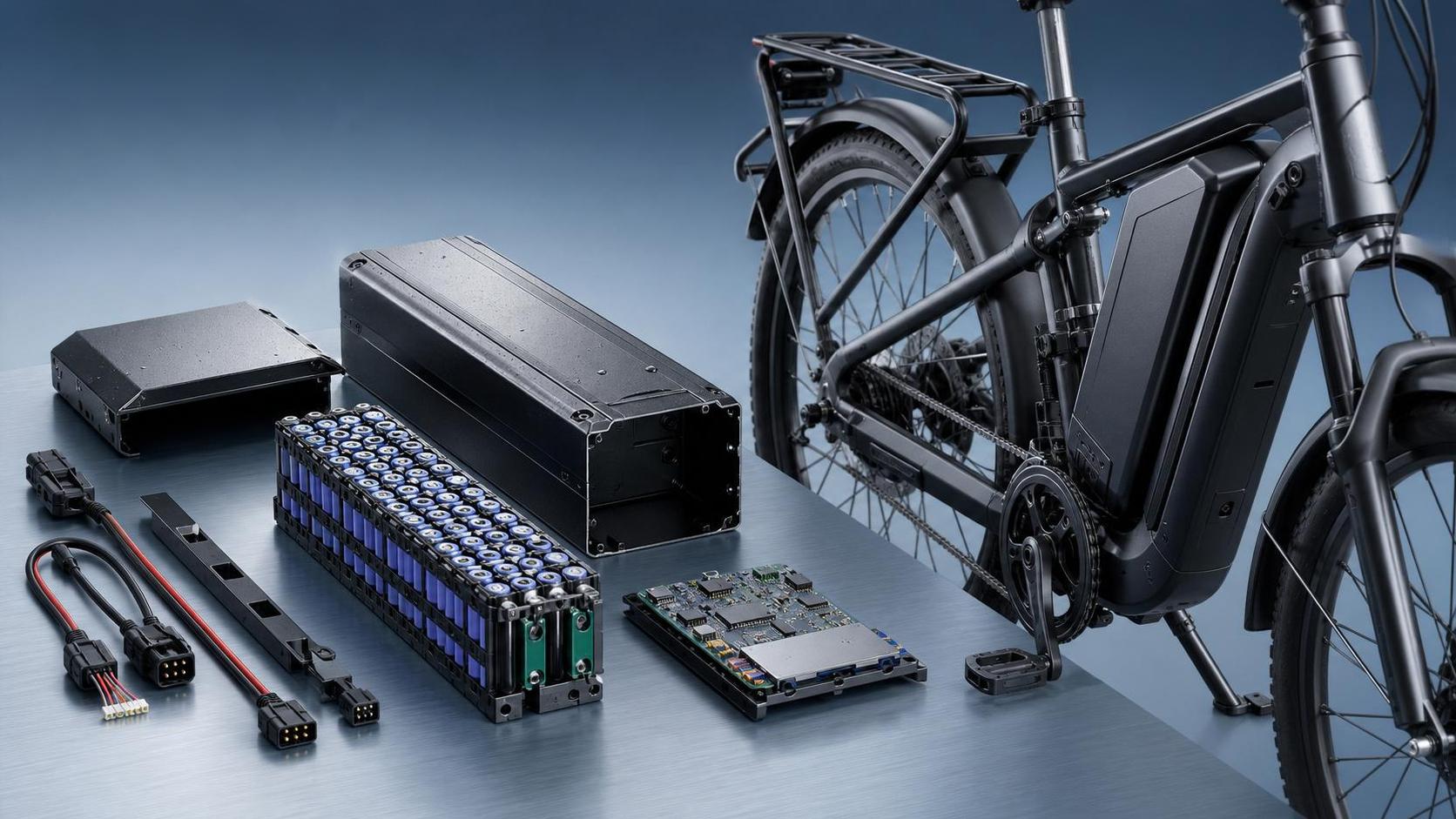
Electric bike batteries custom pack: what really matters before price talks start?
An electric bike batteries custom pack looks simple on a quotation sheet. In reality, it sits at the intersection of safety, performance, regulation, and delivery control.
That is why the market pays close attention to battery architecture, not only battery capacity. In premium micro-mobility, weak pack decisions often create the most expensive downstream problems.
ACMD tracks this shift across electric bicycles, e-scooters, and high-speed electric motorcycles. The same pattern appears repeatedly: battery decisions shape reliability, warranty cost, and launch timing.
So the practical question is not just, “What is the cheapest electric bike batteries custom pack?” A better question is, “Which pack meets the target safely, consistently, and on schedule?”
The answers below follow that logic. They move from pack definition to cost structure, then into safety, lead time, and final supplier evaluation.
When does a standard battery stop being enough?
A standard battery works when frame space, range demand, connector type, and compliance targets are already aligned. That is more common in entry-level commuter programs.
A custom pack becomes necessary when those constraints no longer fit each other. This usually happens in compact frames, long-range cargo bikes, or higher-power systems.
In practical terms, an electric bike batteries custom pack is not only a different shape. It may also involve cell format, series-parallel layout, BMS logic, enclosure material, sealing level, and harness design.
That flexibility helps solve packaging and performance conflicts. It also increases engineering work, tooling exposure, and validation effort, which is why custom projects need clearer specifications early.
- Non-standard frame cavity or integrated downtube installation
- Target range that standard off-the-shelf packs cannot reach
- Specific discharge peaks for climbing, cargo, or mountain riding
- Market-specific compliance or transport packaging requirements
- Brand-level goals for lower warranty rates and tighter fit
If none of these apply, a standard solution may still be the better commercial choice. Customization only pays when it removes a real design or supply chain limitation.
Why can two electric bike batteries custom pack quotes look similar, then behave very differently in cost?
Battery pricing often hides its risk inside details. Two offers may show similar unit cost while using very different cells, test depth, traceability methods, and BMS components.
The first cost driver is the cell itself. Tier-one cells with stable cycle life, low variance, and documented batch control cost more, but they usually reduce field failures.
The second driver is electronics. A better BMS does more than basic protection. It manages balancing accuracy, temperature response, communication stability, and fault logging.
Then comes the mechanical side. Enclosure tooling, waterproofing, vibration resistance, brackets, and charging interfaces all affect final cost, especially when the housing is highly integrated.
Testing also matters. Abuse testing, aging checks, incoming cell grading, and pack-level end-of-line verification add cost, but they protect launch schedules and after-sales margins.
A quick comparison table usually exposes where the true difference sits:
So when reviewing an electric bike batteries custom pack offer, unit price should be treated as an output, not the whole story. The input assumptions decide whether that price is realistic.
How should safety be checked without getting lost in test jargon?
The cleanest approach is to break safety into four layers: cells, electronics, mechanical protection, and certification pathway. If one layer is weak, the whole pack becomes fragile.
Start with cell origin and matching records. A premium enclosure cannot compensate for inconsistent cells, especially under repeated charging, hill climbing, or hot-weather storage.
Next, review the BMS around overcharge, overcurrent, short-circuit, and temperature controls. Ask how balancing works and how faults are recorded during pack operation.
Mechanical design deserves equal attention. E-bikes see vibration, impact, water spray, and connector wear. Weak weld support or poor sealing often appears months after shipment.
Finally, confirm which standards apply to the destination market. The exact list varies, but transport, electrical safety, and regional market access documents should be mapped early.
- Cell brand, chemistry, and batch consistency records
- BMS protection thresholds and balancing method
- Thermal management under peak current conditions
- Ingress protection, connector durability, and vibration resistance
- UN38.3, shipping, and market-entry documentation planning
In ACMD’s wider mobility coverage, the same lesson appears across faster electric platforms too: thermal and electronic discipline are not premium extras. They are baseline risk controls.
Lead time looks short on paper. What usually stretches it in real projects?
The most common delay is not assembly itself. It is rework caused by incomplete specifications, late connector changes, enclosure revisions, or missing certification assumptions.
A realistic electric bike batteries custom pack timeline usually includes concept confirmation, engineering review, prototype build, validation, pilot run, and mass production readiness.
Cell availability can also shift lead time sharply. Even when a supplier has assembly capacity, a constrained cell model or specific BMS chip may extend the schedule.
Tooling adds another variable. If a custom housing, bracket, or interface mold is needed, the project should assume extra validation rounds rather than one-pass approval.
A practical way to evaluate lead time is to ask what each phase depends on:
If a quote promises a very short lead time, ask whether that includes validation and compliance steps. Often it only covers assembly after everything else is already solved.
What mistakes create the biggest hidden risk in an electric bike batteries custom pack project?
One frequent mistake is buying to nominal capacity alone. A pack that claims the right Ah rating may still fail the range, current, or durability target.
Another is treating certification as paperwork added later. In cross-border mobility, battery compliance affects transport, warehousing, customs, and final market entry.
There is also a design trap around frame integration. A tightly packaged pack may look efficient, yet become difficult to cool, service, or replace in the field.
Some teams also skip pilot-run learning. That usually saves time only briefly. The cost returns later through assembly drift, returns, and delivery rescheduling.
A more reliable path is to test the project against a short decision checklist:
- Does the pack meet actual ride profile, not laboratory assumptions?
- Are cells and BMS components locked before launch planning?
- Is there a defined response for cell substitution or shortage?
- Can the enclosure survive vibration, rain, and repeated charging cycles?
- Have warranty and service replacement scenarios been considered?
So how do you compare suppliers without turning the process into guesswork?
The strongest comparison method mixes commercial and technical signals. Low quote, fast sample, and confident sales language are not enough on their own.
Look for evidence of engineering control. That includes documented cell sourcing, BMS capability, validation routines, and visible understanding of two-wheel operating conditions.
It also helps to judge whether the supplier understands the wider mobility category. Battery behavior in urban e-bikes is linked to weight, vibration, terrain, and charging habits.
That broader system view is increasingly important as lightweight frames, smarter drivetrains, and compact vehicle layouts place more pressure on battery integration.
A sensible next step is to issue a structured RFQ for the electric bike batteries custom pack, then score responses against the same criteria:
- Target voltage, capacity, peak current, and cycle expectation
- Dimensional limits, mounting points, and connector standards
- Required certifications and shipping destinations
- Prototype timing, validation scope, and pilot-run plan
- Traceability, warranty handling, and change-control process
The best sourcing outcome usually comes from sharper definitions, not harder negotiation. Once the project inputs are clear, cost, safety, and lead time become easier to compare honestly.
For teams following ACMD’s view of advanced micro-mobility, that discipline fits the bigger trend: battery packs are no longer just components. They are strategic performance assets.
Before moving forward, align the use case, lock the compliance path, and challenge every quote on validation depth. That is usually where the real decision quality appears.
Related News