
Electric Bike Technology: What Lowers Fleet Maintenance

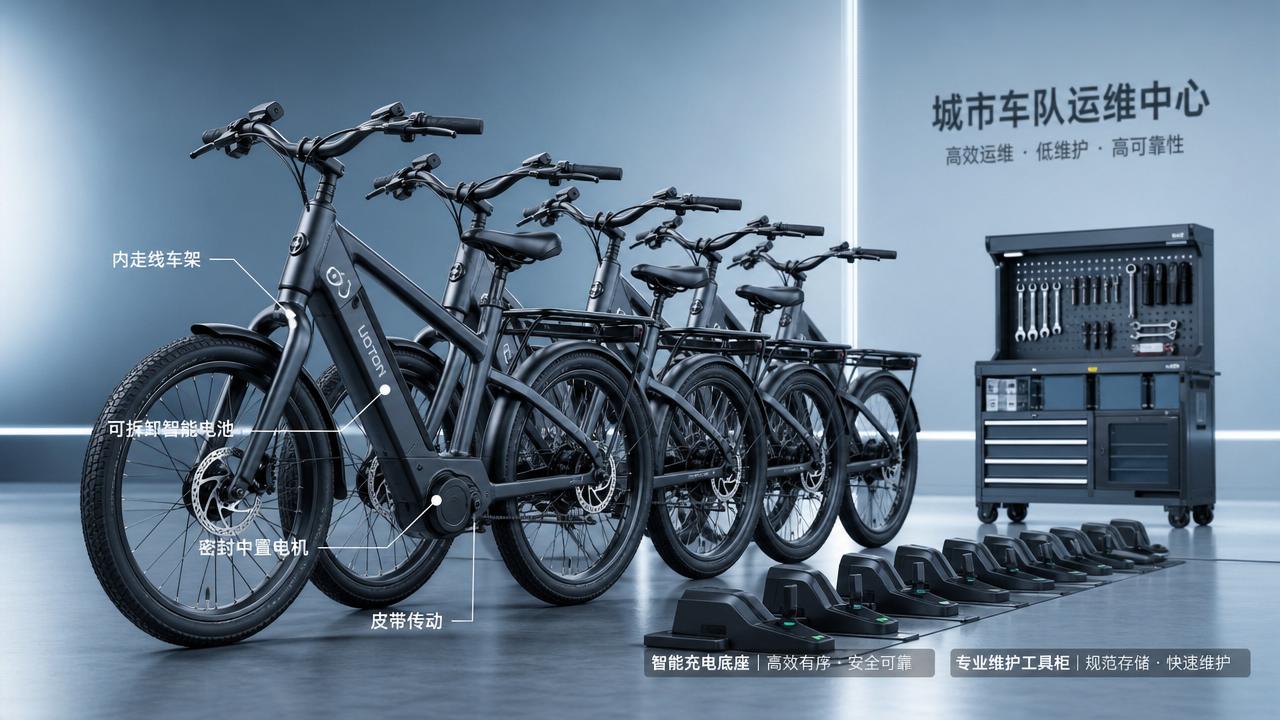
For project managers and engineering leads, electric bike technology now shapes maintenance economics as much as rider experience. In fleet use, every technical decision affects uptime, labor demand, spare-parts turnover, and total cost.
Across urban mobility, delivery operations, campuses, tourism, and industrial sites, the market is moving beyond headline range figures. The real advantage comes from systems that stay reliable under daily abuse and require fewer service interventions.
That shift is why electric bike technology deserves closer attention. Smarter batteries, sealed components, diagnostic software, and stronger lightweight materials are changing how fleets are specified, maintained, and renewed.
Why fleet-focused electric bike technology is entering a new phase
The first wave of e-bike adoption prioritized rapid deployment. Many operators selected units by price, speed, and advertised range. Maintenance outcomes were often considered only after failure rates increased.
That pattern is changing. Mature programs now measure service intervals, mean time between failures, battery degradation, brake wear, and software fault rates. As data improves, maintenance-friendly design is becoming a strategic requirement.
In this environment, electric bike technology is no longer a showroom feature set. It is an operational discipline linking hardware durability, digital visibility, and predictable lifecycle planning.
The strongest trend signal is simple: fleets increasingly value stable availability over maximum specification. A bike that spends less time in the workshop can outperform a faster model with higher repair frequency.
The technical shifts most clearly lowering maintenance pressure
Several engineering changes explain why modern electric bike technology can reduce maintenance demand. The key is not one component, but the interaction between drivetrain sealing, electronics, thermal control, and service-friendly architecture.
Battery intelligence is reducing the most expensive category of failure
Battery replacement remains one of the largest fleet cost drivers. Better battery management systems now monitor temperature, current peaks, charge cycles, and cell imbalance with far greater precision.
This part of electric bike technology matters because abuse is rarely visible at first. Repeated fast charging, poor thermal control, and unmanaged deep discharge quietly accelerate battery decline.
When software limits harmful charging behavior and flags weak modules early, maintenance teams can isolate risk before the entire battery pack becomes unusable.
Drivetrain simplification is cutting routine workshop hours
Traditional chains and exposed drivetrains perform well, but heavy fleet usage increases contamination, alignment drift, and wear. Cleaner drivetrain layouts can sharply reduce regular service hours.
Belt systems, internal gear hubs, and sealed bearings are practical examples of electric bike technology that lower lubrication demand and reduce sensitivity to rain, dirt, and rider inconsistency.
For high-use fleets, that means fewer minor repairs becoming major downtime events. The value is cumulative, especially when hundreds of vehicles follow the same route conditions daily.
What is driving this maintenance-first design direction
The move toward service-efficient electric bike technology is not random. It is being pushed by operating realities, data maturity, and higher expectations around asset productivity.
- Denser urban usage creates more stop-start stress on motors, brakes, and batteries.
- Labor shortages make frequent manual servicing more expensive and harder to schedule.
- Connected fleet platforms make failure patterns easier to compare across models.
- Sustainability targets favor longer component life and fewer premature replacements.
- Insurance and safety expectations reward stable braking, thermal safety, and traceable diagnostics.
Another factor is material engineering. Composite design, reinforced aluminum structures, and better vibration control reduce looseness, cracking, and alignment issues over long operating cycles.
This is where broader mobility intelligence matters. Insights from precision transmissions, lightweight structures, and electronics integration are converging inside modern electric bike technology.
How the trend affects operations, service networks, and lifecycle planning
Maintenance-friendly design changes more than repair frequency. It also affects staffing, spare inventory, training needs, and redeployment speed across mixed-use fleets.
Where diagnostics are integrated, service teams can move from reactive repairs to scheduled interventions. That reduces vehicle clustering in workshops and helps protect availability during peak demand windows.
For finance and planning functions, electric bike technology with better data transparency supports more accurate depreciation models. Battery health, controller fault history, and drivetrain wear can all inform replacement timing.
Which technical signals deserve the closest attention now
Not every innovation lowers maintenance equally. The most useful evaluation points are practical, measurable, and linked to recurring failure modes in real fleet environments.
- Battery thermal behavior: Check whether heat is monitored during charging and heavy climbing cycles.
- Water and dust protection: Review sealing quality for connectors, displays, controllers, and motor housings.
- Brake system durability: Evaluate rotor wear, pad access, and consistency under repeated stop-start duty.
- Wiring architecture: Favor modular harnesses that simplify replacement without major teardown.
- Software visibility: Prioritize fault codes, remote updates, and health reporting that support preventive maintenance.
- Frame and fork robustness: Examine fatigue resistance where cargo loads and rough pavement create stress.
These checkpoints reveal whether electric bike technology has been engineered for commercial duty rather than occasional personal use.
A practical path for judging future maintenance performance
A useful response is to evaluate bikes through a maintenance lens before scaling deployment. Small pilots should compare not only ride quality, but service intervals, charging behavior, and parts replacement frequency.
- Define failure categories before testing, including battery, drivetrain, braking, electronics, and frame issues.
- Track downtime hours, not only number of faults, because slow repairs damage fleet productivity.
- Test in real weather and route conditions, where dirt, gradients, and curb impacts expose weak design choices.
- Review service documentation quality and parts access, since maintainability is part of performance.
- Use telematics data to identify early warning patterns before expansion decisions are finalized.
This approach turns electric bike technology assessment into an evidence-based lifecycle decision. It also helps avoid the common trap of underestimating maintenance complexity during procurement.
The next smart move is to align technical specification with uptime goals
The wider trend is clear. In modern fleets, the best electric bike technology is not the most aggressive on paper. It is the configuration that consistently lowers failures, protects batteries, simplifies service, and supports reliable daily utilization.
For organizations reviewing e-bike programs, the next step is practical: build a maintenance scorecard alongside performance metrics. Include battery health logic, sealing quality, diagnostics depth, drivetrain exposure, and parts modularity.
That framework creates a stronger basis for long-term value. It also ensures electric bike technology is evaluated as an operational asset, not merely a mobility product.
As urban micro-mobility grows more data-driven, the fleets that win will likely be the ones that treat maintainability as a core design signal from the start.
Related News