
Bicycle Derailleur Setup Mistakes That Hurt Shifting

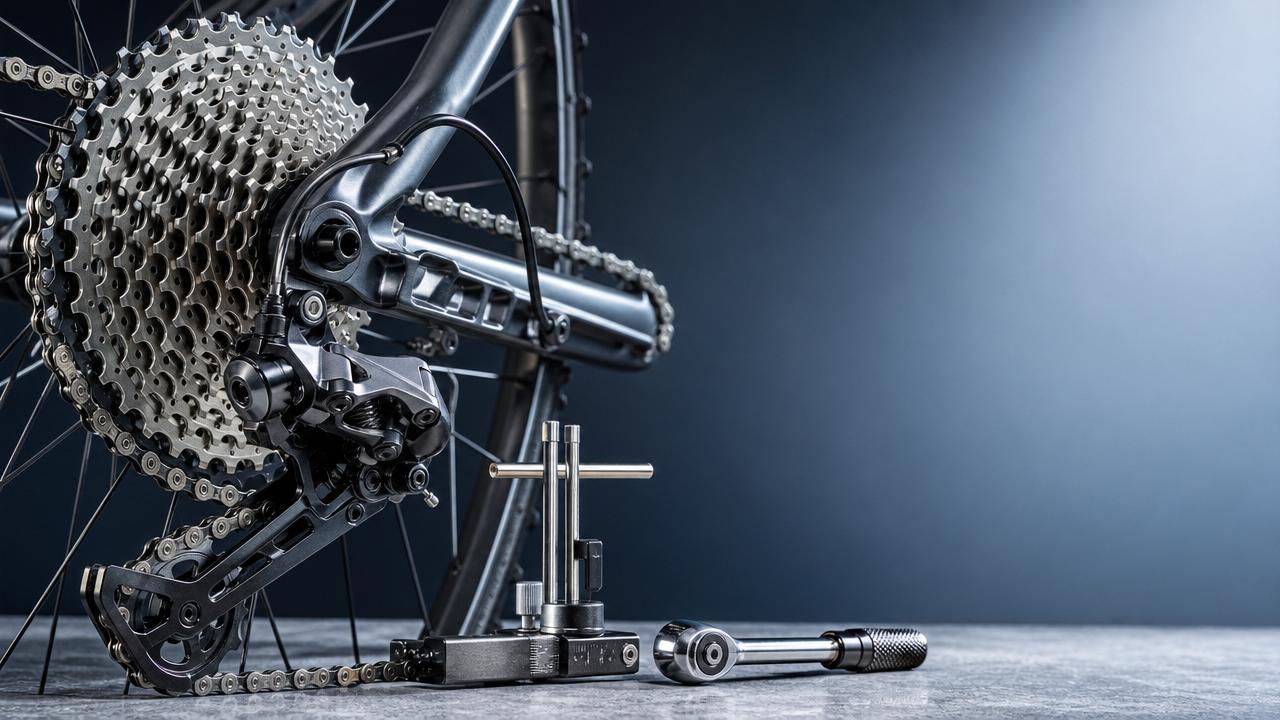
Bicycle Derailleur Setup Mistakes That Hurt Shifting
A poorly tuned bicycle derailleur can turn a simple service job into repeat complaints, noisy drivetrains, and missed shifts under load.
Modern drivetrains are more sensitive than older systems because cassette ranges are wider, chains are narrower, and tolerances are tighter.
In this environment, bicycle derailleur setup is no longer only a workshop routine. It is a precision reliability factor.
Small mistakes in cable tension, hanger alignment, chain length, or limit adjustment can create shifting problems that appear random.
For ACMD’s drivetrain intelligence view, derailleur accuracy reflects a larger trend: micro-mobility components are becoming lighter, smarter, and less forgiving.
Why Bicycle Derailleur Setup Is Becoming Less Tolerant
The bicycle derailleur has changed from a simple mechanical guide into a highly tuned transmission interface.
Road, gravel, mountain, e-bike, and urban commuter drivetrains now use closely engineered chain profiles and cassette tooth shapes.
That progress improves speed, range, and rider control. It also reduces tolerance for careless adjustment.
A bicycle derailleur that is one millimeter out of position may still shift on a stand.
Under real pedaling load, that same error can cause hesitation, grinding, chain rub, or sudden gear skipping.
Electronic shifting has not removed setup discipline. It has moved the error sources toward alignment, firmware logic, battery health, and component compatibility.
Trend Signals Behind More Frequent Shifting Complaints
Several market and technology signals explain why bicycle derailleur complaints are becoming more visible across service channels.
These signals show why bicycle derailleur setup must be treated as a system check, not an isolated screw adjustment.
As drivetrains become more advanced, field errors often come from assumptions carried over from older gear standards.
Cable Tension Errors Remain the Most Common Cause
Incorrect cable tension is still the most frequent mechanical bicycle derailleur setup mistake.
Too little tension makes the derailleur slow to climb toward larger sprockets. Too much tension causes overshifting and noise.
A common error is compensating for hanger misalignment by turning the barrel adjuster repeatedly.
That approach may improve one part of the cassette while making another part worse.
- Slow upshifts often indicate low cable tension or housing friction.
- Slow downshifts often indicate high tension, dirty housing, or weak spring return.
- Mixed symptoms usually suggest hanger or cassette alignment issues.
For any bicycle derailleur, cable movement must be smooth before indexing is judged.
Fresh housing cuts, proper ferrules, and clean cable routing often solve problems that seem like derailleur faults.
Limit Screw Mistakes Create Risk Beyond Poor Shifting
Limit screws define the safe travel boundaries of a bicycle derailleur.
When they are set incorrectly, shifting quality is only part of the problem.
A low-limit screw set too far inward can push the chain into the spokes.
A high-limit screw set too far outward can drop the chain between cassette and frame.
Both faults can damage carbon stays, aluminum dropouts, spokes, chains, and rear derailleur cages.
The safer method is to set limits before fine indexing, then verify under controlled pedal pressure.
A bicycle derailleur should never rely on cable tension to prevent overtravel at either end.
That mistake hides danger until the rider shifts hard during climbing, sprinting, or rough-road vibration.
Hanger Alignment Is the Hidden Baseline
A bent hanger is one of the easiest bicycle derailleur problems to misdiagnose.
The derailleur may look straight from behind, yet the pulley plane can be several degrees out.
This error becomes obvious on 11-speed, 12-speed, and 13-speed systems with very tight sprocket spacing.
A hanger alignment gauge is more reliable than visual judgment, especially after transport, crashes, or wheel removal.
Replacing a bicycle derailleur without checking the hanger can waste parts and leave the original problem unresolved.
Carbon frames deserve special attention because replaceable hangers may deform before the frame shows visible damage.
B-Gap and Pulley Position Affect Modern Wide-Range Cassettes
B-gap adjustment controls the distance between the upper pulley and the cassette sprockets.
On a modern bicycle derailleur, this gap directly affects climbing shifts, chain wrap, and noise.
Too small a gap can cause pulley contact, rumbling, or slow shifts into the largest sprocket.
Too large a gap reduces shift authority because the chain approaches sprockets from a less controlled angle.
Wide-range mountain and gravel drivetrains often require manufacturer-specific B-gap gauges.
Guessing the gap by eye is less reliable as sprocket sizes increase beyond traditional road ratios.
This is especially important for e-bikes, where the bicycle derailleur must shift cleanly under higher chain tension.
Chain Compatibility Mistakes Are Increasing
Chain selection has become more complex as drivetrain brands optimize ramps, pins, coatings, and side-plate shapes.
A bicycle derailleur cannot compensate for a chain that is too wide, too worn, or mismatched to the cassette.
Wrong chain length also causes shifting trouble. Too short stresses the derailleur in large-large gear combinations.
Too long reduces chain tension and creates slap, hesitation, or poor retention on rough surfaces.
Directional chains add another failure point. Installed backward, they may shift poorly despite correct indexing.
- Confirm speed rating before installation.
- Check directional markings before joining the chain.
- Measure wear before adjusting the bicycle derailleur.
- Verify quick-link compatibility with chain model and speed.
Chain problems are often blamed on the rear derailleur, but the root cause may sit in the entire drivetrain stack.
Electronic Shifting Does Not Eliminate Mechanical Setup
Wireless and wired electronic shifting systems have changed expectations for speed and consistency.
However, an electronic bicycle derailleur still depends on hanger alignment, pulley position, cassette condition, and chain compatibility.
Micro-adjustment can refine indexing, but it cannot correct a bent hanger or damaged cassette tooth.
Battery state, firmware updates, pairing status, and crash mode settings also influence shift behavior.
The trend is clear: electronic systems reduce cable-related faults while increasing the need for structured diagnostics.
A bicycle derailleur setup checklist should now include both mechanical inspection and digital status confirmation.
How Setup Errors Affect Business and Service Outcomes
Poor bicycle derailleur setup affects more than ride comfort. It increases callbacks, warranty disputes, and premature component replacement.
For urban micro-mobility fleets, poor shifting can reduce uptime and create higher maintenance frequency.
For performance bicycles, shifting hesitation damages confidence during climbs, racing, and technical terrain.
For carbon fiber frames, chain drop incidents may create expensive cosmetic or structural inspection requirements.
For e-bike drivetrains, a misadjusted bicycle derailleur can accelerate wear because motor torque magnifies every engagement error.
The commercial lesson is simple: accurate setup protects the whole mobility product experience.
Key Setup Priorities for Reliable Shifting
The most reliable bicycle derailleur work follows a sequence, rather than random adjustment.
- Inspect derailleur hanger alignment before indexing.
- Confirm cassette, chain, shifter, and derailleur compatibility.
- Check cable, housing, ferrules, and routing resistance.
- Set high and low limits before fine adjustment.
- Adjust B-gap using the correct manufacturer reference.
- Index gears across the full cassette under realistic load.
- Test chain retention during rough-road simulation when relevant.
This sequence prevents one adjustment from masking another fault.
It also creates repeatable standards across mechanical, electronic, road, gravel, mountain, and e-bike platforms.
A Practical Diagnostic Matrix for Setup Decisions
A matrix approach reduces guessing and supports consistent bicycle derailleur diagnosis.
It also helps distinguish setup faults from wear, damage, or compatibility issues.
What to Watch as Drivetrains Keep Evolving
The next phase of bicycle derailleur development will likely combine lighter materials, smarter electronics, and stronger integration with e-bike systems.
That will increase the value of precise setup data, torque-aware shifting logic, and predictive maintenance signals.
Service routines may shift from simple adjustment toward documented measurement, firmware verification, and drivetrain wear analytics.
The bicycle derailleur will remain mechanical at the chain interface, even when control becomes increasingly digital.
This hybrid reality makes disciplined setup more important, not less important.
Action Steps for Better Shifting Reliability
Start every bicycle derailleur service with alignment, compatibility, and wear checks before touching the barrel adjuster.
Use manufacturer references for B-gap, chain length, electronic calibration, and torque specifications.
Record recurring symptoms by drivetrain type, mileage, terrain, and rider load conditions.
That evidence builds a stronger maintenance loop and reduces repeated failures.
For deeper drivetrain intelligence, ACMD tracks mechanical transmission trends, electronic shifting behavior, and lightweight mobility technology across global cycling markets.
Reliable shifting begins with precise bicycle derailleur setup, but long-term performance depends on viewing the drivetrain as one connected system.
Related News