
Bicycle Derailleur Tuning: Common Shifting Problems and Fixes

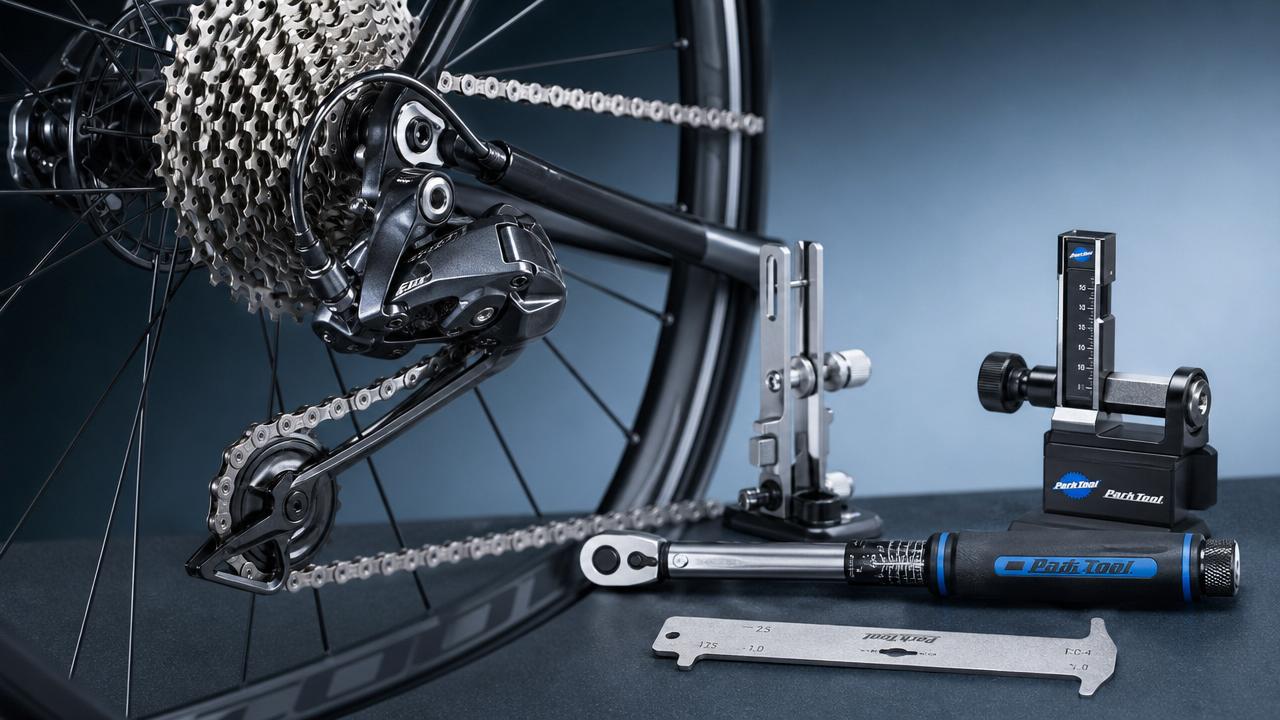
For after-sales maintenance teams, a poorly tuned bicycle derailleur can turn a premium riding experience into customer frustration within seconds. Skipped gears, chain rub, delayed shifts, and noisy drivetrains often come from small alignment errors, cable tension changes, or worn components. This guide breaks down the most common shifting problems and practical fixes, helping technicians diagnose issues faster, restore precise gear changes, and protect the performance standards expected in today’s advanced two-wheeled mobility market.
In workshops supporting performance bicycles, e-bikes, and lightweight urban mobility fleets, derailleur tuning is not a minor adjustment. It is a service-quality indicator.
A modern bicycle derailleur must work with tighter cassette spacing, higher chain tension, compact frame geometry, and sometimes electronic shift logic measured in milliseconds.
Why Bicycle Derailleur Tuning Matters in After-Sales Service
For a customer, a single missed shift during climbing, commuting, or acceleration can feel like a product defect rather than a maintenance issue.
For an after-sales team, the same complaint may point to 1 of 6 common causes: hanger alignment, cable tension, limit screws, chain wear, cassette wear, or setup mismatch.
The service risk behind small tolerances
A bicycle derailleur operates within narrow mechanical tolerances. On many 11-speed and 12-speed drivetrains, lateral cassette spacing leaves little room for error.
A hanger deviation of only 2–3 mm at the derailleur cage can produce slow shifting, chain noise, or unstable indexing across several gears.
This is especially important for carbon fiber frames, where improper clamping or impact damage around the dropout area may create hidden alignment issues.
Typical complaint patterns technicians should log
- Gear skipping under load after 100–300 km of cable stretch or bedding-in.
- Chain rub on the front derailleur during cross-chain positions.
- Delayed downshifts caused by contaminated housing or weak return spring movement.
- Noisy rear cassette engagement after chain elongation reaches around 0.5%–0.75%.
A structured complaint log helps teams separate rider technique, drivetrain wear, and true bicycle derailleur faults before replacing parts unnecessarily.
Common Shifting Problems and Fast Diagnostic Checks
The fastest workshop diagnosis starts with symptom mapping. The goal is to identify whether the issue appears in 1 gear, several gears, or the full range.
Before turning any screw, inspect wheel seating, derailleur hanger position, chain condition, cable movement, and cassette cleanliness in a 5-minute pre-check.
The table below summarizes frequent bicycle derailleur symptoms and practical first actions for after-sales maintenance teams handling daily service volume.
The key lesson is sequence. If hanger alignment is wrong, repeated barrel adjustments may hide the problem briefly but will not restore consistent shifting.
Skipping gears under load
Gear skipping under rider torque often appears during climbs, e-bike assist surges, or sprint acceleration. Do not assume the bicycle derailleur is faulty immediately.
Check chain elongation first. Many workshops replace chains near 0.5% wear for 11-speed and 12-speed systems to protect expensive cassettes.
Noisy shifting across the cassette
Noise across 3 or more sprockets usually indicates indexing error, hanger misalignment, poor chainline, or contaminated drivetrain surfaces.
Clean the cassette, chain, jockey wheels, and chainring before final tuning. A dirty drivetrain can mimic a bicycle derailleur adjustment fault.
Chain rub at the front derailleur
Front shifting problems require attention to cage height, cage angle, limit screws, and chainring condition. A 1–2 mm cage clearance is typical.
On compact road systems and cargo e-bikes, torque variation can increase rub, making trim positions and correct chainline more important.
Step-by-Step Bicycle Derailleur Adjustment Workflow
A repeatable workflow reduces service time and prevents technicians from adjusting the wrong component. Use the same sequence for warranty and paid maintenance.
For high-throughput service desks, a trained technician can complete a standard bicycle derailleur tune in 15–25 minutes when parts are not damaged.
Rear derailleur tuning in 7 controlled steps
- Mount the bike securely and confirm the rear wheel is fully seated in the dropout.
- Inspect the hanger with an alignment tool and correct visible deviation before indexing.
- Shift to the smallest sprocket, release cable tension, and set the high-limit screw.
- Reconnect the cable with moderate tension and remove slack without over-pulling.
- Shift one gear at a time, using 1/4-turn barrel adjustments for precise indexing.
- Set the low-limit screw so the chain reaches the largest sprocket without overshooting.
- Test under light load and then moderate load for at least 2 complete cassette sweeps.
This workflow prevents the common mistake of compensating for hanger error with cable tension, which weakens long-term bicycle derailleur consistency.
Cable tension and housing condition
Mechanical systems depend on clean cable movement. Friction inside housing can delay downshifts even when barrel tension appears correct.
For bikes used in wet commuting or dusty off-road conditions, replacing cables every 6–12 months is often more reliable than repeated lubrication.
When to replace instead of adjust
Replace the cable if strands are frayed, corrosion is visible, or lever feel remains heavy after housing inspection and lubrication.
Replace housing if the liner is crushed, contaminated, kinked near the handlebar, or cut at an angle that creates drag.
Mechanical vs Electronic Derailleurs in Service Decisions
After-sales teams increasingly service both mechanical and wireless systems. The diagnosis logic overlaps, but electronic units add battery, firmware, and motor calibration checks.
A bicycle derailleur with electronic shifting may shift accurately for thousands of cycles, yet still fail if alignment or drivetrain wear is ignored.
Use the following comparison when selecting tools, technician training modules, and spare-parts inventory for mixed drivetrain service environments.
The comparison shows that electronic systems reduce cable-related service work, but they do not remove the need for precise mechanical inspection.
Electronic system checkpoints
Before deeper troubleshooting, confirm battery charge, system pairing, shift-button response, derailleur movement, and micro-adjust values stored in the control unit.
A technician should also inspect crash mode behavior, firmware status, and whether the bicycle derailleur has been knocked inward during transport.
Mechanical system checkpoints
Mechanical drivetrains are easier to repair roadside, but they require more sensitivity to cable routing, housing compression, and lever pull ratio compatibility.
Do not mix shifters and derailleurs without checking speed count and actuation ratio. A mismatch can make perfect adjustment impossible.
Preventive Maintenance Standards for Premium Mobility Fleets
For dealers, OEM after-sales departments, and fleet operators, derailleur service should be preventive rather than reactive. This lowers repeat visits.
A practical schedule groups bicycle derailleur inspection into 3 levels: delivery setup, early-use bedding inspection, and periodic drivetrain health review.
Delivery setup before customer handover
Before handover, run the drivetrain across all gears on a stand, then repeat under load during a short test ride of 5–10 minutes.
For high-value carbon bikes and e-bikes, record hanger alignment, chain wear baseline, firmware status where relevant, and torque values for service traceability.
Early-use inspection after bedding-in
New cables, housing ends, and chain interfaces settle during early riding. A 100–300 km check helps catch tension drift before complaints escalate.
At this stage, technicians should retune indexing, inspect dropout area, confirm limit screws, and verify that the bicycle derailleur cage remains straight.
Fleet and rental considerations
Shared e-bike and performance rental fleets need shorter intervals because multiple riders apply different shift timing, cadence, and torque patterns.
For high-use fleets, a 2-week visual check and a monthly drivetrain tune can reduce emergency repairs and preserve user satisfaction.
Tools, Spare Parts, and Procurement Criteria
Reliable derailleur service depends on tools as much as technician skill. Poor tools create inconsistent results, especially on premium drivetrains.
A professional after-sales bench should include at least 8 essential items for bicycle derailleur service and drivetrain evaluation.
- Derailleur hanger alignment gauge for correcting small lateral deviations.
- Chain checker with 0.5% and 0.75% wear indicators.
- Torque wrench covering common low-torque cockpit and derailleur fasteners.
- Cable and housing cutters that leave clean, round ends.
- Cassette cleaning tools and chain lubricant suited to local riding conditions.
- Battery charger or diagnostic app access for electronic systems.
- Rear derailleur hanger stock for common frame platforms.
- Service documentation template for repeatable quality control.
Procurement questions for after-sales managers
When buying replacement derailleur components, assess compatibility, spare-part continuity, delivery lead time, training burden, and warranty handling process.
A low-cost bicycle derailleur may increase total service cost if jockey wheels wear early or adjustment stability declines after limited use.
For B2B procurement, require clear specifications for speed count, maximum sprocket capacity, total drivetrain capacity, cage length, and mounting standard.
Common Mistakes That Increase Repeat Repairs
Repeat repairs often come from incomplete diagnosis rather than poor workmanship. The bicycle derailleur is only one component in a full transmission system.
A quality-control checklist should include at least 6 verification points before returning the bike to the rider.
Mistake 1: Adjusting tension before checking alignment
If the hanger is bent, cable tension may improve 1 section of the cassette while making another section worse.
Always check alignment after crashes, shipping, wheel removal problems, or customer reports of sudden shifting changes.
Mistake 2: Ignoring chain and cassette wear
A worn chain can ride poorly on a new cassette, while a new chain may skip on heavily worn sprockets.
Measure wear instead of judging visually. Chain condition directly affects bicycle derailleur performance and customer perception of drivetrain quality.
Mistake 3: Returning the bike without load testing
A repair stand test cannot fully reproduce rider torque. Some problems appear only during acceleration, climbing, or motor-assisted pedaling.
Perform at least 2 full shift sequences outside the workshop whenever safety and time allow.
FAQ for After-Sales Bicycle Derailleur Service
The following questions help service advisors explain shifting issues clearly to riders, fleet managers, and procurement teams.
How often should a bicycle derailleur be tuned?
For regular riders, every 500–1,000 km is a common inspection range. Wet, dusty, or high-torque e-bike use may require shorter intervals.
Can a derailleur be tuned without replacing cables?
Yes, if cable movement is smooth and corrosion-free. However, damaged housing or frayed cables make precise bicycle derailleur adjustment unreliable.
Why does shifting worsen after transport?
The rear derailleur is exposed during packaging, vehicle loading, and storage. A minor knock can bend the hanger enough to disrupt indexing.
Is electronic shifting maintenance-free?
No. Electronic shifting reduces cable maintenance, but technicians must still check alignment, chain wear, battery charge, firmware, and limit settings.
Building a Higher Standard for Drivetrain Service
A well-tuned bicycle derailleur protects more than gear changes. It preserves the customer’s trust in the frame, drivetrain, motor support, and complete vehicle experience.
For modern after-sales teams, the best results come from a disciplined process: inspect alignment, measure wear, tune indexing, test under load, and document findings.
ACMD supports industry professionals with technical intelligence across precision transmissions, lightweight frames, e-bike systems, and the wider micro-mobility value chain.
If your team needs sharper service standards, component evaluation guidance, or market-focused drivetrain insights, contact us to learn more solutions and discuss tailored support.