
Urban Commuting Vehicles: Cost, Storage, and Safety Trade-Offs Compared

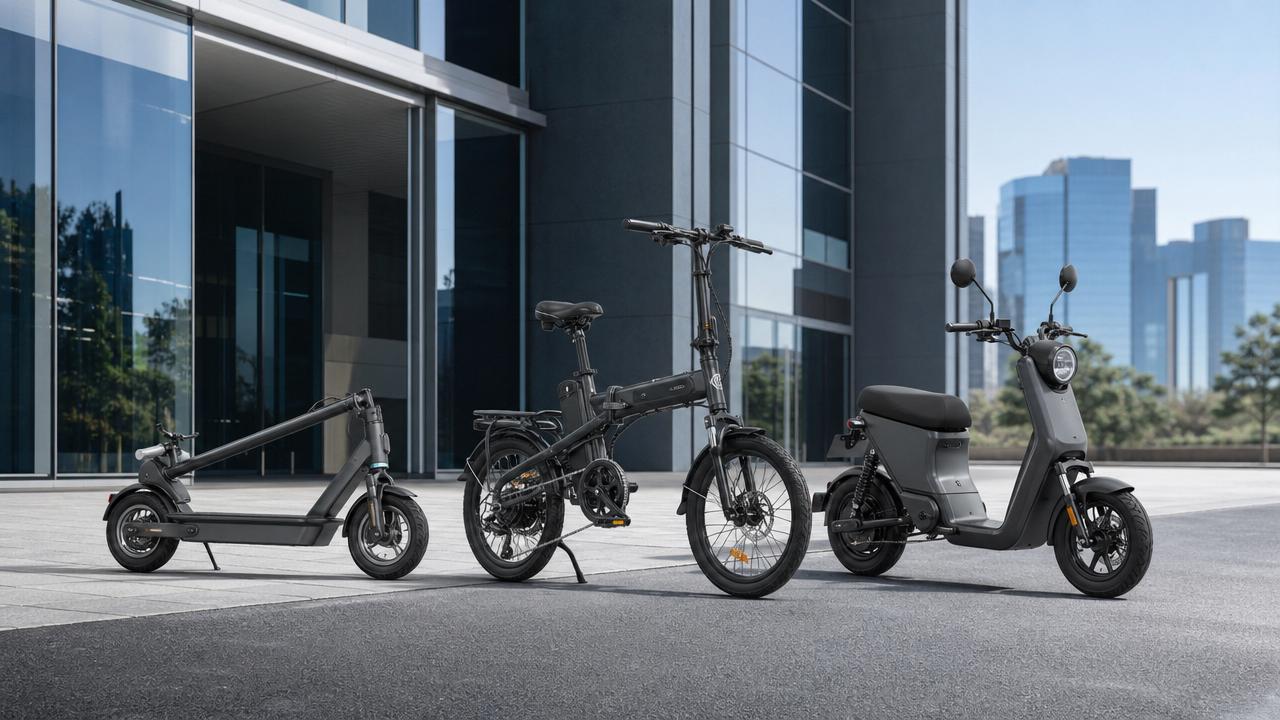
Urban commuting vehicles have become a practical answer to crowded roads, rising fuel bills, and tighter parking rules. Yet the real decision is rarely about speed alone. Cost, storage, and safety shape daily satisfaction far more than marketing claims, especially when city travel includes stairs, wet pavement, mixed traffic, and limited indoor space.
That is why comparing urban commuting vehicles now matters across the wider mobility industry. ACMD tracks this shift through electric bicycles, smart e-scooters, high-speed e-motorcycles, drivetrain technology, and lightweight materials, showing how engineering choices connect directly to everyday commuting value.
What counts as an urban commuting vehicle today
In city use, the category usually includes e-bikes, e-scooters, compact motorcycles, and small electric motorcycles. Traditional bicycles still matter, but powered options now dominate short urban comparisons.
These vehicles solve similar problems in different ways. They reduce door-to-door travel time, avoid some congestion, and lower dependence on private cars. At the same time, each one asks for different compromises from the rider.
A folding e-scooter may fit under a desk. An e-bike may feel more stable in traffic. A compact motorcycle may cover longer distances comfortably, but it asks for more storage, licensing attention, and theft protection.
Why the trade-offs are getting sharper
Cities are changing faster than most commuting habits. Bike lanes are expanding in some districts, while curb access is shrinking in others. Building managers are also tightening rules around battery charging and hallway storage.
At the product level, the market is also maturing. Better batteries, lighter carbon structures, refined drivetrains, and more responsive electronic systems improve ride quality, but they can raise purchase price and repair complexity.
ACMD’s industry lens is useful here. Lightweight materials, transmission precision, and thermal management are not abstract technologies. They influence carrying weight, braking behavior, handling confidence, and long-term maintenance risk.
Cost is more than the sticker price
Many buyers start with retail price, but urban commuting vehicles should be judged by total ownership cost. That means energy use, maintenance, accessories, insurance, repairs, and likely replacement cycle.
E-scooters often look cheapest at first. They usually have low charging costs and simple daily use. However, smaller wheels and compact components can wear faster on broken pavement, adding replacement expenses.
E-bikes sit in the middle. Their upfront price is higher, especially with premium drivetrains or lightweight frames, but they often deliver better durability, better hill performance, and broader practical use for groceries or longer commutes.
Compact motorcycles and electric motorcycles can reduce commuting time on longer routes. Still, insurance, registration, protective gear, and more complex servicing usually make them the most expensive urban commuting vehicles over time.
Usually, the best value comes from matching vehicle complexity to trip complexity. Paying for extra performance rarely makes sense if the route is flat, short, and storage is tight.
Storage often decides the purchase
Storage is the most underestimated factor in urban mobility. A vehicle can look perfect online and still fail in daily life if it cannot fit in an elevator, hallway corner, office entrance, or secure bike room.
E-scooters lead on compactness. Foldability is their strongest urban advantage, especially in apartments and mixed commutes that involve trains or buses. Even so, carry weight matters more than folded size once stairs enter the picture.
E-bikes need more space, but they repay that demand with better cargo options and stronger ride stability. Step-through frames, removable batteries, and lighter materials can make them easier to manage in small buildings.
Motorcycles require the clearest storage plan. Street parking may seem acceptable, but weather exposure and theft risk quickly change the economics. Without reliable parking, ownership stress can outweigh commuting convenience.
Practical storage questions
- Can the vehicle be stored indoors without blocking doors or stairs?
- Is the battery removable for safer charging?
- Can it be lifted when the elevator is unavailable?
- Is secure parking available at both trip ends?
- Will local building rules restrict charging or storage?
Safety depends on design, speed, and street context
Safety comparisons among urban commuting vehicles should not stop at top speed. Wheel size, braking control, rider position, visibility, surface quality, and traffic mix often matter more in real city conditions.
E-bikes are often the most confidence-inspiring option for mixed urban routes. Larger wheels handle potholes better, and the seated position supports steadier braking and clearer traffic awareness.
E-scooters are efficient but less forgiving. Small wheels react sharply to cracks, curbs, and rain grooves. Standing posture also raises fatigue on longer rides, which can reduce attention late in the journey.
Compact motorcycles perform well in faster traffic, but they expose riders to higher-energy incidents. Their safety case improves on roads built for motor vehicles, yet worsens in dense downtown areas with frequent stops and turning conflicts.
This is where advanced components matter. Stronger frame construction, precise drivetrains, predictable torque delivery, and reliable thermal control can improve handling consistency. ACMD’s focus on these details reflects real commuting consequences, not just enthusiast interest.
Street-level risk signals to watch
- Frequent wet surfaces or metal covers
- Poorly maintained pavement and curb cuts
- Routes with buses, delivery vans, and blind turns
- Commutes requiring night travel
- High theft zones that force rushed parking choices
How different city scenarios change the best choice
The right urban commuting vehicles vary by route pattern. A three-kilometer commute with train transfers rewards portability. A ten-kilometer cross-city trip with moderate hills favors comfort and range.
Dense central districts usually favor e-scooters and agile e-bikes. Suburban edges often reward e-bikes and compact motorcycles, where distance increases and average traffic speed rises.
Weather also changes the equation. In dry climates, lightweight vehicles are easier to justify. In rainy cities, larger wheels, stronger brakes, and more stable geometry deserve higher priority than extreme portability.
A better way to compare before buying
A useful comparison starts with the route, not the product category. Map the weekly distance, parking reality, battery charging access, weather exposure, and the most stressful part of the trip.
Then look at the vehicle through three filters: what it costs to keep, where it lives when not moving, and how it behaves when the street becomes unpredictable.
For many households, the most rational urban commuting vehicles are not the fastest or the lightest. They are the ones that still feel manageable on a tired Tuesday, in the rain, with a bag in one hand.
It is also worth checking how technology quality supports the decision. Better frame materials, refined electronic assist, and dependable drivetrain systems may justify a premium when they reduce maintenance and improve confidence over years, not weeks.
Where to focus next
If the goal is a smarter decision, start by ranking non-negotiables. Storage may matter more than speed. Safety on poor roads may matter more than design. Operating cost may matter more than range claims.
From there, compare two or three urban commuting vehicles against the same real route. Check parking conditions, lifting weight, braking feel, tire stability, battery handling, and service access nearby.
Following ACMD’s broader view of micro-mobility can help sharpen that comparison. The most useful signals often come from engineering details, regulation trends, and daily use patterns meeting in one place.
A clear shortlist built around actual commuting conditions will usually outperform a purchase driven by trend alone. In urban mobility, the right compromise is often the strongest upgrade.
Related News