
How to find lightweight cycling helmets that fit securely

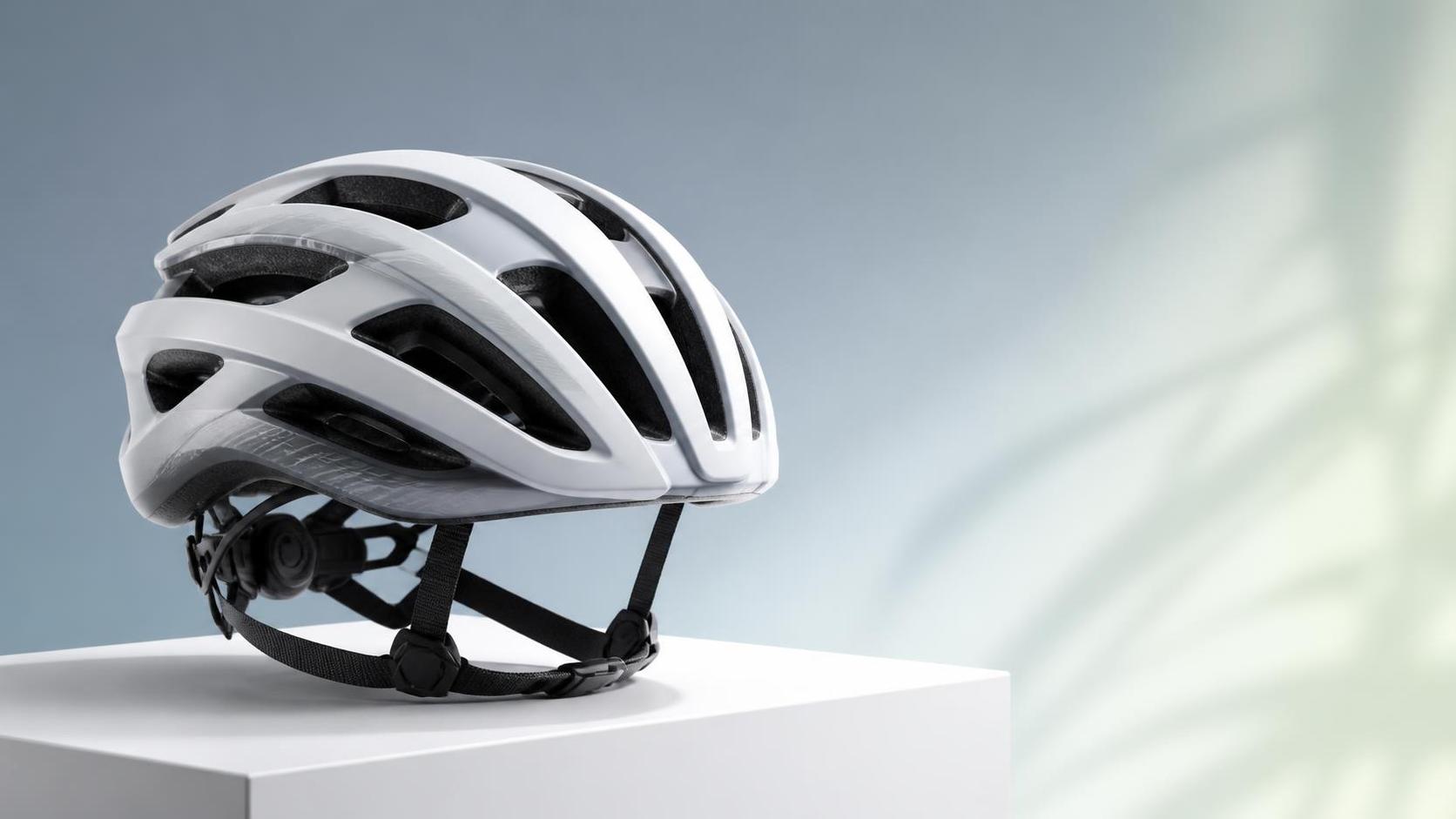
How to Find Lightweight Cycling Helmets That Fit Securely
Finding lightweight cycling helmets that fit securely is not simply a matter of choosing the lowest number on a product tag. A helmet can be impressively light yet distracting, unstable, hot, or difficult to adjust once the ride begins. Conversely, a slightly heavier model may feel almost weightless in practice if its shape, retention system, padding, and strap geometry distribute pressure properly.
That distinction matters across modern riding. An e-bike commuter may spend long periods in traffic, turning their head frequently and stopping at lights. A road rider may remain in an aggressive position for hours. Urban riders often carry backpacks, wear glasses, and move between cool mornings and warmer afternoons. In every case, the helmet needs to stay where it belongs without creating pressure points or requiring constant readjustment.
The most useful way to shop is to treat weight, fit, ventilation, impact protection, and intended speed as connected decisions. A helmet is a protective system worn on a moving human body—not a standalone lightweight component.
Start With Head Shape, Not the Claimed Weight
Helmet sizing usually begins with head circumference, measured around the widest part of the head, roughly one inch above the eyebrows. This measurement is necessary, but it is only the starting point. Two riders with the same circumference can have very different head shapes. One may have a more rounded profile, while another may need more room from front to back. A shell that technically matches the size chart can still create forehead pressure, gaps at the sides, or a loose feeling at the rear.
Try a helmet on before relying on the dial. With the retention system relaxed, it should sit level on the head and feel evenly supported. It should not perch high above the crown, squeeze sharply at the temples, or leave a conspicuous empty space at the front. The leading edge generally sits low enough to protect the forehead without blocking normal vision. If a helmet only becomes acceptable after the adjustment dial is tightened aggressively, its underlying shape is probably wrong.
This is where online buying needs extra discipline. Use the manufacturer’s current size chart, but also read reviews for comments about head shape rather than simply “runs small” or “runs large.” Confirm whether returns are accepted after an indoor fit test. Sizing labels are not interchangeable between brands, and even different helmet families from the same manufacturer may fit differently.
A Secure Fit Should Pass Three Simple Movement Checks
Once the helmet is positioned correctly, close the chin strap and adjust the retention mechanism gradually. The goal is stable contact, not compression. A properly fitted helmet should resist movement when you shake your head, look down, or glance over your shoulder. It should not slide forward toward the eyes or tip backward to expose the forehead.
- Shake test: With the chin strap fastened, move your head side to side. The helmet should move with your head rather than lag behind it.
- Forward-roll test: Gently push the helmet from the rear toward the forehead. It should not roll forward enough to obscure your vision.
- Rear-roll test: Push it forward from the front. Excessive rearward movement may indicate that the straps are too loose or the shell is too large.
The side straps should form a neat “V” just below each ear, with the buckle sitting comfortably under the chin. There should be enough room to open the mouth comfortably, but not enough slack for the helmet to lift significantly away from the head. Strap adjustment is not a minor finishing step. It helps keep the helmet in the intended position during a fall.
Pay attention to the feeling after ten minutes, not just the first ten seconds. Pressure points frequently emerge after the foam, hair, and skin have settled. If possible, wear the helmet while standing, sitting on the bike, and leaning into your usual riding posture. A road cyclist’s head angle differs from that of a casual commuter, and the rear cradle can feel very different in each position.
What “Lightweight” Actually Means on the Road
A lighter helmet can reduce neck fatigue, particularly for riders who cover longer distances, ride on uneven roads, or frequently check traffic behind them. But the practical value of low weight depends on balance. A helmet with too much mass concentrated toward the front, rear, or top can feel less comfortable than a marginally heavier model with a better center of gravity.
Construction also matters. Many bicycle helmets use an expanded foam liner bonded to an outer shell during molding. This approach can provide a clean, integrated structure without adding unnecessary bulk. Some higher-end models use additional internal reinforcement or carefully engineered shell coverage to improve structural integrity around large vents. Those choices may add a small amount of weight, but they can also make a highly ventilated helmet feel more stable and durable in everyday use.
Do not assume that exposed carbon-look surfaces, oversized vents, or premium branding automatically signal meaningful weight savings. The relevant questions are simpler: what is the stated weight for the exact size you will wear, does the helmet remain stable when moving, and is the claimed weight consistent with the features you need? A quoted weight for a small shell tells a larger-headed rider little about the actual helmet they will receive.
This is familiar territory in the wider lightweight mobility sector. Carbon-fiber frame design, for example, is not judged by grams alone; layup direction, stiffness targets, fatigue behavior, and rider use all matter. The same logic applies to helmets. Minimum mass is not the same as maximum riding comfort or sensible protection.
Ventilation Is Part of Fit, Especially for E-Bike Riders
Ventilation is often discussed as a comfort feature, but it also influences whether riders keep wearing a helmet correctly. If a helmet becomes uncomfortably hot, a rider may loosen the fit system, tip it backward, or remove it during short stops. None of those habits supports consistent protection.
Large front vents can channel air across the head at speed, while internal channels help move warm air toward rear exhaust openings. In practice, airflow depends on riding speed, hair volume, weather, and the angle of the rider’s head. A highly vented road helmet may be excellent during sustained riding but less useful in slow, humid urban traffic. A commuter helmet with more coverage may offer useful weather protection, although it can feel warmer.
E-bike riders should be especially realistic about their use case. Electric assistance can make trips longer and average speeds higher than ordinary city cycling, yet many journeys still involve repeated stops, intersections, and shared paths. Consider ventilation alongside visibility, weather exposure, eyewear storage, and the local rules that apply to your route and vehicle category. A helmet designed for conventional cycling should not be assumed suitable for every powered two-wheel application.
Check Certification for the Market Where You Ride
Before comparing premium features, verify that the helmet is certified or labeled for sale in your market. Requirements vary by jurisdiction. In the United States, bicycle helmets are commonly associated with CPSC requirements. In many European markets, EN 1078 is a commonly referenced standard for pedal cyclists and users of skateboards or roller skates. Other markets may use different requirements, and local rules can distinguish between bicycles, speed pedelecs, e-scooters, and motorcycles.
Certification labels do not eliminate the need for proper fit, nor do they make all helmets equivalent. They indicate that a product has been assessed against a specified set of requirements. Look for clear product identification, the applicable marking, sizing information, and manufacturer instructions. Be cautious with marketplace listings that use vague phrases such as “safety approved” without showing what standard applies or who made the helmet.
If your riding includes high-speed electric mobility, track use, or another specialized environment, confirm the appropriate helmet category before buying. Local transport rules and insurer requirements can change, so this point deserves a current check rather than an assumption based on a product’s appearance.
Decide Which Features Are Worth Carrying
After fit and certification, features become easier to evaluate. A rear light mount, reflective elements, integrated visor, eyewear dock, removable padding, or hair-compatible retention design can all be useful. Their value depends on how you ride, not on how long the feature list looks.
A rotational-impact management feature may also be offered in some helmet designs. It can be a reasonable consideration, but it should not distract from the basics: correct size, secure positioning, valid certification, and replacement after a significant impact. A sophisticated feature cannot compensate for a helmet that shifts on the head.
Do Not Ignore Everyday Ownership
The best helmet is one you will wear consistently and maintain properly. Check whether replacement pads, retention dials, visors, or lights are available if those parts matter to you. Sweat, sunscreen, rain, and routine handling wear down comfort components over time. Removable pads are helpful only if they can be washed and refitted without distorting the fit.
Inspect the shell and foam after a crash or hard impact. A helmet may show little external damage while its energy-absorbing liner has been compromised. Manufacturers’ guidance should take priority, but the conservative approach is to replace a helmet after a significant impact. Avoid leaving it in extreme heat, attaching unapproved accessories that interfere with the shell, or modifying the straps and retention system.
For ACMD, the same principle that shapes discussions of lightweight frames and precision drivetrain systems applies here: performance is only useful when it remains dependable in actual conditions. The most convincing lightweight cycling helmets are not necessarily the most dramatic-looking options. They are the ones that disappear from your awareness while riding, then stay firmly and correctly positioned when the unexpected happens.
Make the Final Choice With a Shortlist, Not a Spec Sheet
Build a shortlist of helmets that meet the applicable certification requirement, match your measured head size, and suit your primary riding environment. Then compare them in person where possible. Wear each one long enough to detect pressure points, test the adjustment range, and check its interaction with your glasses, hair, and usual riding position.
Choose the lightest model that fits securely without being overtightened, stays balanced when you turn your head, and supports the way you actually travel. That is a more durable decision than chasing the smallest published weight—and a far better foundation for comfortable, confident riding.
Related News