
Urban Cycling Shifts Driving 2026 Foldable Commuters

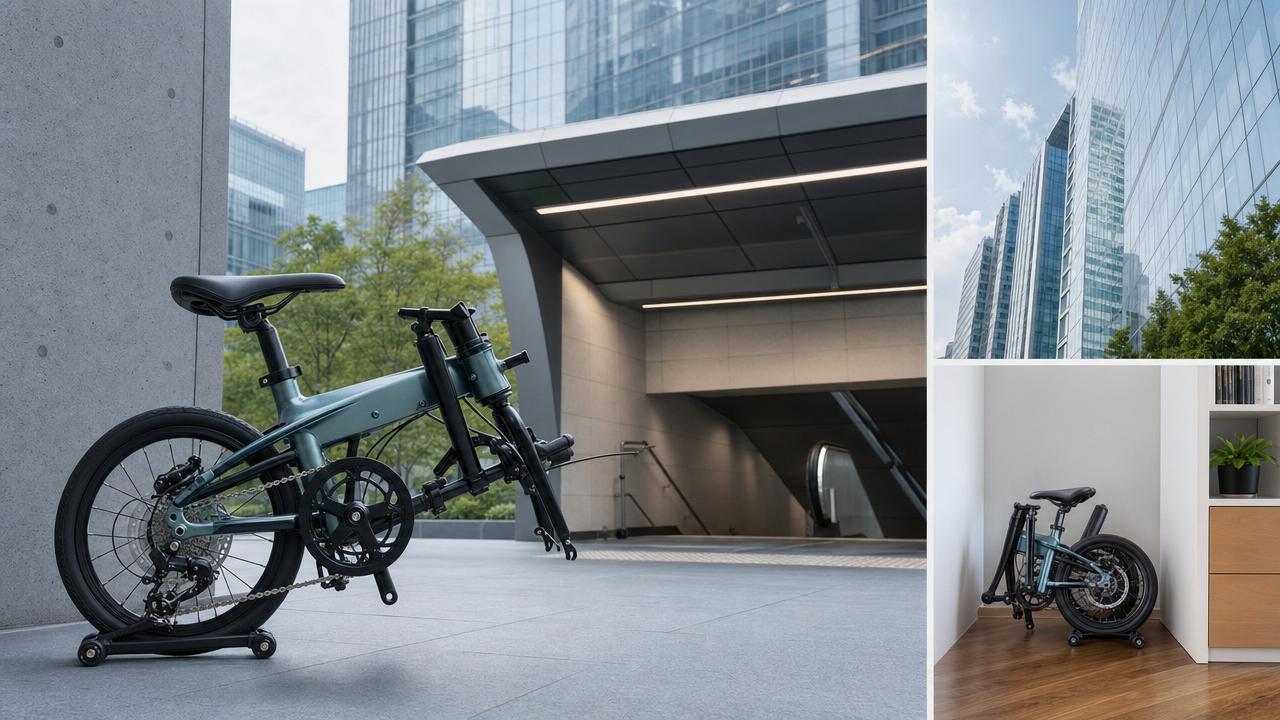
Urban cycling is rapidly changing how cities evaluate daily mobility, and foldable commuters are becoming central to that shift. By 2026, the category will be shaped not only by compact geometry, but also by lightweight materials, drivetrain refinement, and urban policy alignment.
For market observers, urban cycling now connects transport efficiency, low-carbon planning, and premium component innovation. Foldable bikes sit at the intersection of public transit integration, apartment living constraints, and demand for reliable short-range mobility in dense metropolitan corridors.
Urban cycling and the rise of foldable commuters
Urban cycling refers to everyday riding within built environments, usually for commuting, errands, and first-mile or last-mile movement. Its priorities differ from road racing or mountain riding. Portability, weather tolerance, security, and ease of storage matter more.
Foldable commuters are bicycles designed to reduce spatial footprint without losing practical ride quality. Their relevance is rising because urban cycling increasingly depends on multimodal travel. A rider may combine rail, bus, elevator access, and office storage within one journey.
In this context, product value is no longer defined by folding alone. It is measured by the total commuter system. Weight, folding speed, carrying comfort, drivetrain cleanliness, and durability under repeated hinge cycles all influence long-term category competitiveness.
Core attributes shaping category definition
- Compact folded volume for transit and indoor storage
- Low system weight through aluminum, carbon, and refined hardware
- Fast, intuitive folding with secure locking points
- Stable urban cycling performance on mixed pavement
- Clean drivetrain options for everyday clothing compatibility
Market signals influencing 2026 development
Several forces are pushing urban cycling deeper into mainstream transport planning. The foldable commuter segment benefits when these forces move together. Regulatory support alone is insufficient without technical improvements and clear user convenience gains.
One important shift is that urban cycling is now judged through system efficiency rather than standalone vehicle ownership. A foldable commuter must fit station gates, elevators, apartment corners, and mixed-surface urban streets without creating friction during routine use.
Another signal comes from materials science. Aerospace-grade lightweighting principles are moving into urban mobility products. Lighter frames reduce carrying strain and improve acceleration, yet hinge reinforcement and fatigue resistance remain essential in foldable bike engineering.
Technology factors redefining foldable urban cycling
The next stage of urban cycling growth will be heavily influenced by component intelligence and structural optimization. Foldable commuters can no longer rely on convenience alone. They must compete on ride feel, efficiency, maintenance profile, and service life.
Lightweight frames and composite thinking
Carbon fiber and advanced alloy strategies are relevant even in compact commuter formats. The goal is not extreme racing stiffness. It is balanced structural efficiency, lower carrying weight, and improved vibration behavior across rough urban pavement and curb transitions.
For urban cycling, lightweighting has direct behavioral impact. If a folded bike is easier to lift into trains or upstairs, actual use frequency rises. That practical liftability often decides whether a compact bike becomes daily transport or occasional equipment.
Drivetrain evolution and clean commuting
Modern urban cycling increasingly favors low-maintenance transmission solutions. Belt drives, internal gear hubs, and sealed systems reduce chain grime and clothing contamination. They also support quieter operation, which suits residential and office-adjacent environments.
Electronic shifting may also influence premium foldable commuters by 2026. While not necessary for every model, faster and more precise shifting can improve cadence consistency on stop-and-go urban routes. Integration quality will matter more than novelty alone.
Ergonomics, safety, and durability
Urban cycling places unique stress on compact wheel formats and folding joints. Repeated starts, potholes, curbs, and wet conditions demand robust testing. Brake confidence, hinge rigidity, anti-rattle design, and visible lighting integration are now baseline expectations.
Business value across the mobility ecosystem
Foldable commuters create value beyond bicycle retail. Urban cycling is increasingly tied to transit systems, real estate planning, employer mobility programs, hospitality services, and smart city infrastructure. This gives the segment wider relevance across the general industry landscape.
In urban districts where parking pressure is high, foldable bikes can reduce short car trips and improve space utilization. In transport hubs, they strengthen network reach without requiring large docking footprints. In commercial buildings, they reduce storage conflict.
From a positioning perspective, urban cycling also supports premium storytelling. Lightweight engineering, precision drivetrain design, and durable folding mechanisms allow products to move beyond simple portability claims toward performance-backed daily mobility credibility.
Operational advantages often associated with the category
- Lower storage burden in residential and office settings
- Stronger compatibility with multimodal urban cycling routines
- Potential premium margin through material and drivetrain upgrades
- Clear relevance to sustainability reporting and mobility planning
Representative urban cycling scenarios for foldable commuters
The strongest growth opportunities appear where urban cycling solves a precise friction point. Not every city or route favors the same configuration. Scenario-based evaluation helps clarify where foldable commuters deliver measurable practical value.
Practical evaluation points for 2026 planning
A realistic urban cycling assessment should look beyond headline specifications. Folded dimensions, true carry weight, hinge wear behavior, and service complexity deserve equal attention. A lighter frame with weak joint durability may undermine long-term value.
Wheel size and geometry should match route conditions. Smaller wheels improve compactness, but they can be less forgiving on broken pavement. Tire width, frame stiffness balance, and braking setup strongly influence confidence in real urban cycling environments.
Connectivity should be evaluated carefully. Smart locks, theft tracking, or component diagnostics can add value, but only if integration remains reliable and simple. Overcomplicated digital features may conflict with the quick-use nature of foldable commuting.
Common points to verify
- Actual folded footprint in trains, offices, and home entry spaces
- Real lifting comfort, not just catalog weight claims
- Drivetrain cleanliness and maintenance interval suitability
- Hinge fatigue resistance and lock confidence over time
- Lighting, fenders, and wet-weather readiness for urban cycling
Next-step perspective
Urban cycling will remain a defining force in 2026 mobility decisions, and foldable commuters are positioned to benefit where density, transit use, and storage limitations converge. The category’s winners will combine compact practicality with advanced mechanical and material intelligence.
A useful next step is to compare urban cycling scenarios by route length, carry frequency, storage constraints, and maintenance expectations. That structured review reveals whether lightweight composites, clean drivetrains, or durability-focused designs should lead future foldable commuter decisions.
As the urban cycling market matures, strategic attention should stay fixed on integrated mobility value. The strongest foldable solutions will not merely save space. They will improve the entire daily transport chain, from doorstep departure to final indoor storage.
Related News