
Smart Mobility Policies Changing Shared Scooter Operations

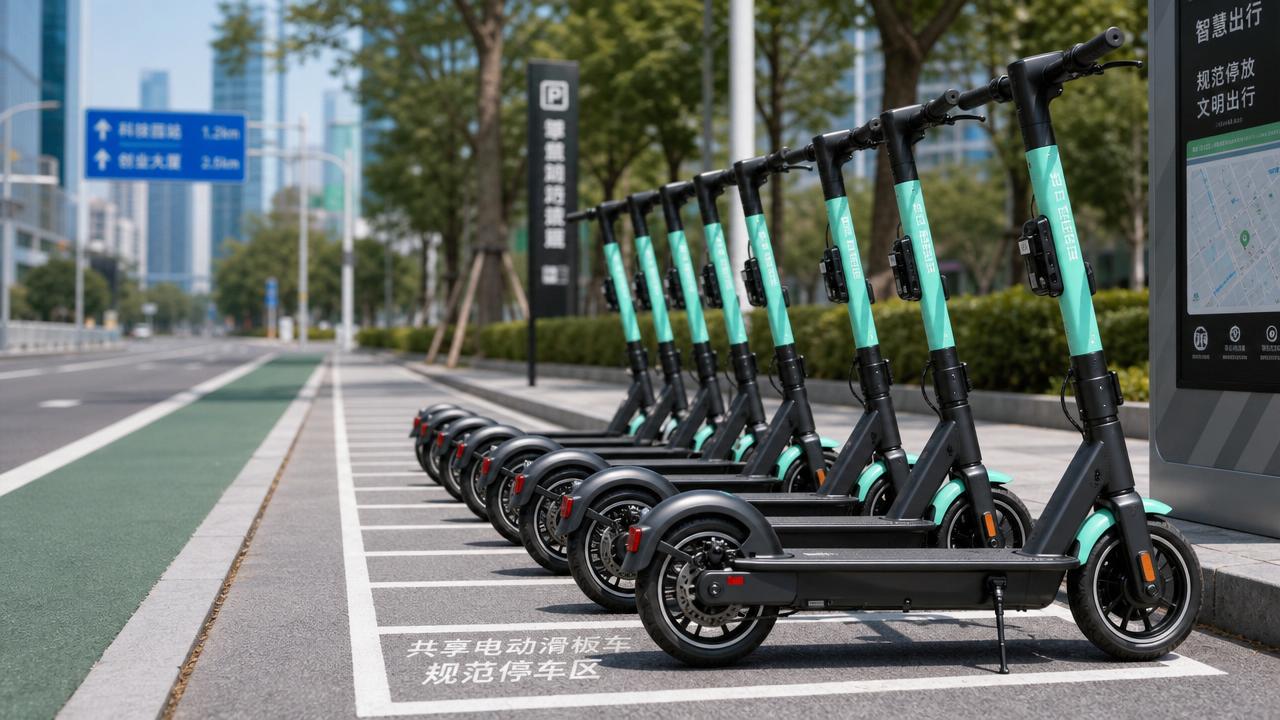
Smart mobility policies are rapidly redefining the operating model of shared scooters in cities worldwide. What used to be a growth story led mainly by fleet expansion and app convenience has become a more regulated, technology-intensive discipline shaped by curb management, safety mandates, insurance expectations, and data governance. As city governments refine smart mobility frameworks, shared scooter operators must align vehicle hardware, geofencing logic, rider education, and service area strategy with local rules. This shift is not only affecting compliance, but also changing investment priorities, deployment speed, and long-term profitability across the wider micro-mobility ecosystem.
What do smart mobility policies actually mean for shared scooter operations?
In practical terms, smart mobility policies are city or regional rules designed to make transport safer, cleaner, more integrated, and more measurable. For shared scooter operations, that usually means permits tied to performance standards rather than simple market entry. Cities increasingly expect operators to prove responsible parking, lower sidewalk clutter, controlled speeds, equitable distribution, and transparent trip data reporting.
These policies often combine transport planning with digital oversight. A city may require geofenced slow zones around schools, no-ride zones near pedestrian plazas, or automatic parking verification in designated bays. Some frameworks also link fleet size to compliance scores, meaning operators with better safety and service records can deploy more vehicles. Under this model, smart mobility is not just about connected scooters; it is about connected governance.
For the broader industry, this has created a clear operational divide. Companies that treat policy as a legal checklist tend to struggle when requirements evolve. Those that design operations around smart mobility from the beginning are better positioned to scale sustainably, especially in cities where permits are renewed based on measurable performance.
How are regulations changing fleet deployment and daily service design?
Fleet deployment is no longer a simple question of demand density. Smart mobility rules increasingly determine where scooters can start trips, end trips, idle, recharge, and be rebalanced. This changes route planning, warehouse placement, charging cycles, and field team workflows. A high-demand area may no longer support high scooter density if parking capacity or pedestrian risk is limited by policy.
Daily service design is also becoming more dynamic. Operators must adapt to time-based restrictions, event-based road closures, seasonal rules, and neighborhood-specific caps. For example, a city center may require stricter speed reduction during peak foot traffic, while transit-adjacent zones may encourage scooter availability to support first-mile and last-mile mobility. Smart mobility policies therefore reward operations platforms that can make real-time adjustments rather than static map-based control.
Another major change is asset utilization. When smart mobility regulations restrict parking and widen compliance obligations, underused or poorly placed scooters become more expensive. Every unit must justify its space, service coverage, and maintenance cost. As a result, many shared scooter programs are moving from rapid saturation strategies to precision deployment based on demand forecasting, curb access, and municipal expectations.
Why are geofencing, telematics, and data compliance now central to smart mobility success?
Technology has become the operational backbone of policy compliance. In the current smart mobility environment, geofencing is not a premium feature; it is a core control layer. Operators use it to enforce no-ride zones, cap speeds in sensitive corridors, and validate parking behavior. The accuracy of that system matters because a weak geofence can trigger rider complaints, municipal penalties, or unsafe usage patterns.
Telematics supports the next level of visibility. Battery health, braking events, route patterns, crash indicators, and dwell times can all help operators understand whether a shared scooter fleet is functioning safely and efficiently. This information is also valuable during permit reviews, where cities may ask for evidence that smart mobility targets are being met in practice, not just promised in presentations.
Data compliance adds another layer of complexity. Many authorities now require structured trip sharing through mobility data standards, while also expecting privacy protection and limited personal exposure. Operators must balance municipal transparency with cybersecurity, regional privacy law, and internal governance. In smart mobility operations, poor data handling can become as serious a risk as poor vehicle maintenance.
Which policy changes have the biggest impact on cost, risk, and investment decisions?
Not all regulations affect the business equally. Some have immediate hardware implications, while others influence software architecture, labor requirements, or insurance costs. The most consequential smart mobility policy shifts usually appear in five areas:
- Mandatory parking controls, which require stronger geolocation and end-trip verification
- Speed and safety rules, which may require firmware updates, braking upgrades, or rider behavior monitoring
- Fleet caps linked to performance, which directly affect revenue growth and utilization planning
- Data reporting mandates, which increase platform integration and compliance overhead
- Accessibility and equity requirements, which can change deployment patterns and service economics
From an investment perspective, these changes shift spending away from pure vehicle volume and toward operational intelligence. Better GNSS accuracy, camera-assisted parking checks, more resilient batteries, safer chassis design, and city-integration APIs may now generate more long-term value than simply adding more scooters. In a mature smart mobility market, the winning fleet is often the fleet that can prove control, not just presence.
Risk is also becoming more multidimensional. Non-compliance can lead to permit loss, but over-compliance can also hurt competitiveness if the system becomes too rigid, expensive, or rider-unfriendly. The key is calibrated investment: enough technology and process discipline to satisfy smart mobility policy demands without creating a friction-heavy user experience.
How should operators compare city readiness and choose the right smart mobility strategy?
A useful mistake to avoid is assuming all cities want the same thing. Some markets prioritize safety first, some focus on transit integration, and others concentrate on public space management. A smart mobility strategy should therefore begin with city readiness analysis rather than generic expansion plans.
The following table can help structure that evaluation:
When comparing markets, it helps to ask whether the smart mobility policy framework is predictable, technologically realistic, and commercially balanced. A city with strict rules but stable enforcement can be more attractive than a city with loose language but inconsistent interpretation. Predictability reduces operational friction and supports better hardware and software planning.
What are the most common mistakes when adapting to smart mobility policy change?
One common mistake is treating policy adaptation as a one-time launch task. In reality, smart mobility governance evolves through pilot programs, citizen feedback, and political cycles. What is acceptable during entry may be inadequate one year later. Continuous monitoring of rule changes, public consultations, and permit benchmarks is essential.
Another mistake is relying too heavily on software without improving vehicle design and field execution. Geofencing can reduce overspeeding, but it cannot replace stable braking performance, durable tires, visible lighting, and disciplined maintenance. Smart mobility outcomes depend on the interaction between digital control and physical reliability.
A third risk is ignoring user communication. Riders do not naturally understand why a scooter slows down, refuses parking, or blocks trip completion. If policy-driven controls are not explained clearly in the app and on the vehicle, user frustration rises and compliance quality drops. Good smart mobility operations translate regulation into intuitive rider experience.
How can organizations prepare for the next phase of smart mobility regulation?
The next phase will likely bring tighter integration between shared scooter systems, public transport, curb management, and urban sustainability reporting. Preparation should begin with modular planning. Hardware, firmware, analytics, and permit workflows need to adapt quickly as smart mobility standards become more detailed and more localized.
A practical preparation roadmap includes several actions:
- Audit geofencing precision and end-trip enforcement performance
- Review whether current scooters meet likely future safety requirements
- Build data governance processes that satisfy both city reporting and privacy rules
- Develop scenario models for fleet caps, equity obligations, and seasonal restrictions
- Strengthen partnerships with city agencies, mapping providers, and mobility infrastructure platforms
For intelligence-led platforms such as ACMD, the value lies in connecting policy signals with engineering and operational decisions. Smart mobility is no longer a narrow regulatory issue. It is a strategic intersection of urban design, connected vehicle technology, lightweight vehicle engineering, and service economics. Organizations that recognize this connection early will be better prepared for permit resilience, safer fleet performance, and more credible long-term expansion.
Smart mobility policies are changing shared scooter operations from a fast-entry mobility service into a disciplined, evidence-based urban system. The organizations that perform best will be those that combine regulatory awareness with precise technology, durable fleet design, and adaptable city-by-city execution. The next practical step is to review current operations against local smart mobility requirements, identify technical and process gaps, and build a policy-ready roadmap that supports both compliance and scalable urban relevance.