
Carbon Fiber Manufacturing Cost Signals for 2026

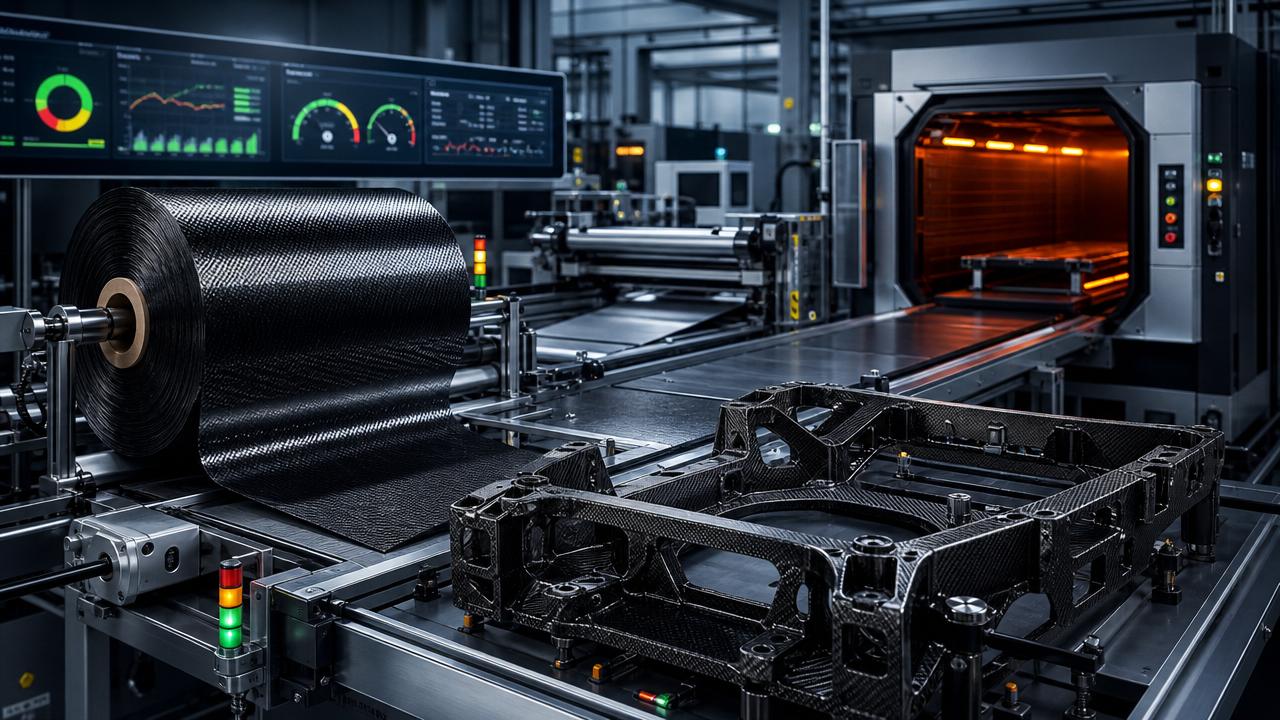
For 2026 planning, carbon fiber manufacturing is no longer a niche technical topic. It has become a practical cost signal for margin control, sourcing resilience, and capital timing.
Across premium mobility, performance cycling, and lightweight industrial applications, cost movement in carbon fiber manufacturing can quickly alter pricing assumptions. Energy, precursor supply, labor productivity, scrap rates, and utilization now matter at board-level budgeting depth.
This matters strongly for advanced two-wheel systems and aerospace-grade lightweight components. When input volatility rises, the economics of frames, structural parts, and composite assemblies shift faster than many approval models expect.
Why carbon fiber manufacturing is sending stronger signals into 2026
The market is moving from simple volume growth to cost-quality discipline. Buyers are no longer watching only headline fiber prices. They are examining conversion efficiency across the full carbon fiber manufacturing chain.
That chain includes precursor chemistry, oxidation, carbonization, surface treatment, sizing, fabric conversion, layup, curing, and finishing. Variance at any point can widen the final cost of a lightweight part.
In 2026, the strongest signal is not one dramatic shock. It is the accumulation of smaller shifts. Electricity tariffs, factory uptime, labor mix, and yield losses are combining into a more sensitive cost environment.
For sectors linked to e-bikes, smart scooters, e-motorcycles, derailleur systems, and carbon fiber frames, this sensitivity affects both premium positioning and entry-point profitability.
The cost drivers behind carbon fiber manufacturing are becoming more visible
The cost structure of carbon fiber manufacturing is broad. Yet several drivers are shaping approval decisions more than others.
Among these, energy and yield deserve special attention. Carbon fiber manufacturing often looks stable on paper, but actual conversion economics can move sharply when electricity or scrap performance changes.
Energy is no longer a background variable
High-temperature processing makes carbon fiber manufacturing deeply exposed to regional power markets. Producers in lower-cost energy zones may gain pricing flexibility without changing nominal product specifications.
This can affect sourcing comparisons for bicycle frames, performance fork structures, and mobility housings. A similar laminate design may carry very different embedded energy costs depending on production geography.
Yield quality is becoming a strategic margin lever
In carbon fiber manufacturing, low yield does not only waste material. It also wastes labor time, machine capacity, curing cycles, and delivery slots. That makes scrap one of the most expensive hidden variables.
For high-end cycling and lightweight mobility products, cosmetic defects can matter almost as much as structural defects. Rework risk therefore raises the real cost base beyond standard bill-of-material calculations.
What is pushing these carbon fiber manufacturing trends now
Several structural forces are shaping the next cost phase. They explain why carbon fiber manufacturing is becoming a more active forecasting variable rather than a static technical input.
- Demand is diversifying across aerospace, mobility, sports, and industrial reinforcement.
- Premium buyers want lighter structures without accepting weaker durability or finish quality.
- Manufacturing footprints are being reassessed around energy security and decarbonization goals.
- Automation is improving, but many composite finishing steps remain labor-dependent.
- Lead times for specialty grades can tighten when capacity shifts toward higher-margin applications.
- More brands are tracking total lifecycle emissions, not only purchase price.
These trends are especially relevant for ACMD-tracked categories. Carbon fiber manufacturing affects not just the frame shell, but the full performance narrative around stiffness, aerodynamics, battery range, and competitive ride feel.
The impact spreads beyond materials and into business performance
The implications of carbon fiber manufacturing extend into pricing architecture, launch timing, product segmentation, and inventory exposure. A cost shift at the material level often becomes a strategic choice at the portfolio level.
In lightweight mobility, higher composite costs can push brands to revise model differentiation. Entry models may use mixed-material designs, while flagship products keep full carbon structures for image and performance retention.
In supply planning, unstable carbon fiber manufacturing costs may also increase safety stock logic. If specialty prepregs or woven grades become less predictable, buffer inventory may rise and lock working capital.
Where close attention is needed in carbon fiber manufacturing decisions
Several checkpoints can improve judgment quality when carbon fiber manufacturing enters 2026 budgets or sourcing reviews.
- Separate raw fiber inflation from downstream conversion inefficiency.
- Track energy exposure by supplier region, not only by annual price agreement.
- Measure yield at each stage, especially layup, curing, trimming, and paint finish.
- Review whether premium carbon grades are truly required in each product zone.
- Model demand swings against plant utilization and inventory commitments.
- Include warranty and rework costs in total carbon fiber manufacturing economics.
- Check whether lower-cost alternatives reduce stiffness, weight, or brand value too sharply.
These points are useful because carbon fiber manufacturing cost is rarely linear. A modest material saving can disappear if it raises rejects, slows finishing, or weakens end-product performance claims.
Practical ways to respond before 2026 cost pressure intensifies
A strong response does not always require major redesign. Often, the best move is disciplined visibility across contracts, production data, and product architecture choices.
- Build three cost scenarios for carbon fiber manufacturing: stable, moderate increase, and stressed energy case.
- Map which products are most sensitive to composite cost per unit of weight saved.
- Use supplier reviews to compare scrap assumptions, uptime, and quality consistency.
- Consider dual-region sourcing for critical carbon formats when logistics allow.
- Align engineering and finance on acceptable tradeoffs between weight, stiffness, finish, and cost.
- Evaluate selective automation where labor intensity and defect rates overlap.
For mobility and performance sectors, this alignment is crucial. Carbon fiber manufacturing decisions influence not just cost containment, but range efficiency, ride quality, and technical brand credibility.
The 2026 outlook favors disciplined carbon fiber manufacturing intelligence
The clearest signal for 2026 is that carbon fiber manufacturing will reward detailed oversight. The era of relying on a single average composite cost is fading.
The most reliable decisions will come from comparing precursor exposure, energy intensity, labor structure, and yield performance together. Viewed separately, each factor can look manageable. Combined, they define real margin risk.
For organizations following lightweight mobility, precision drivetrain systems, and advanced composite applications, carbon fiber manufacturing should be treated as a live strategic indicator. It now informs not only sourcing, but timing, positioning, and investment confidence.
The next step is simple: audit current assumptions, update cost scenarios, and compare them against actual production behavior. That is the fastest way to turn carbon fiber manufacturing signals into better 2026 decisions.
Related News