
Micro-Mobility Trends Changing Dealer Product Mix

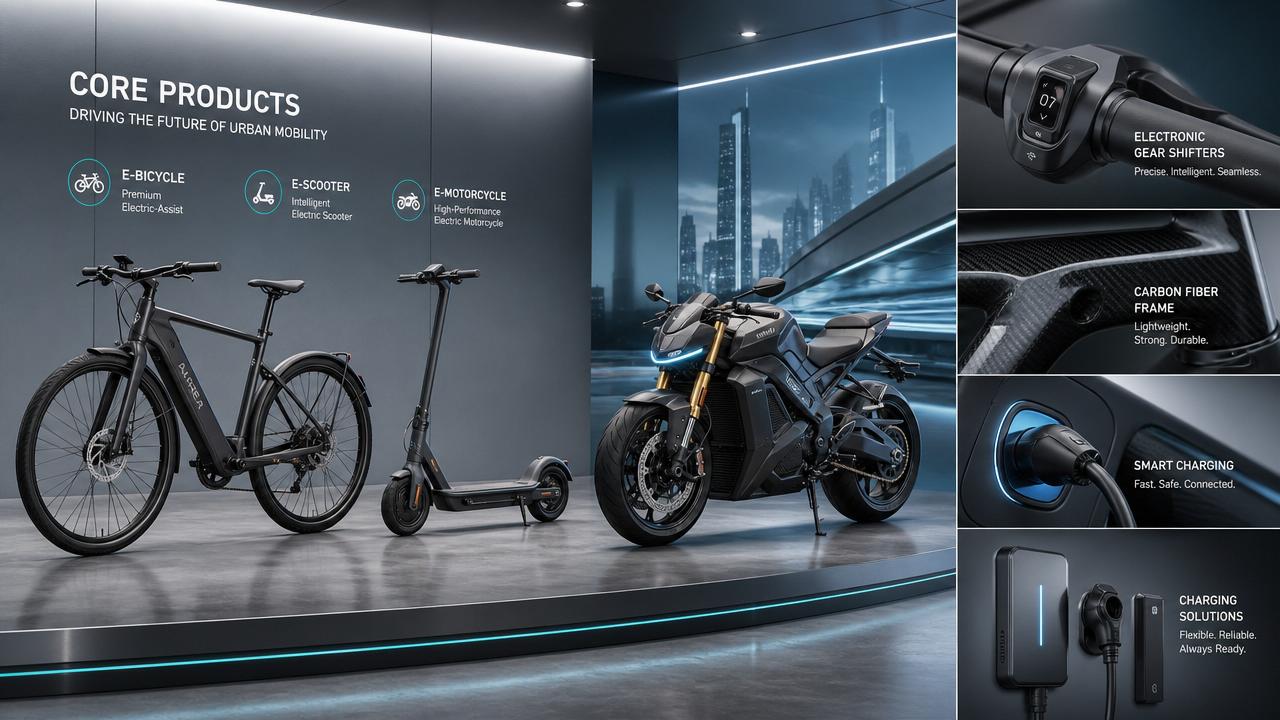
Micro-mobility trends are changing how channel inventory is built across urban transport, recreation, and lightweight performance categories. Dealers now balance fast-turn commuter demand with premium technology-led upgrades.
The shift is no longer limited to e-bikes. Smart e-scooters, high-speed e-motorcycles, electronic drivetrain parts, and carbon fiber platforms are also influencing product mix decisions.
For platforms like ACMD, these micro-mobility trends reveal a deeper market pattern. Product strategy now sits at the intersection of regulation, battery economics, connected systems, and consumer willingness to pay.
Micro-mobility trends are moving product mix from broad catalogs to sharper category focus
Traditional assortment logic favored variety. Today, micro-mobility trends reward precision. Faster-changing demand means slow-moving stock creates higher risk across capital, space, and promotional resources.
Urban riders increasingly compare portability, charging convenience, range, software features, frame weight, and upgrade paths before purchase. This changes not only what sells, but what deserves shelf priority.
At the same time, policy support for low-carbon commuting is helping some categories accelerate. Subsidies, lane access, speed rules, and safety standards all affect the commercial viability of each product line.
As a result, product mix is becoming more segmented. Entry-level transport remains important, but premium and performance-led micro-mobility trends are gaining stronger influence over margin structure.
The strongest market signals behind today’s micro-mobility trends
Several signals explain why micro-mobility trends are reshaping stocking priorities across the broader mobility and sports technology ecosystem.
These signals do not act in isolation. Together, they create uneven demand spikes across categories, making active assortment planning far more important than passive replenishment.
Why e-bikes, smart e-scooters, and high-speed electric models are gaining larger shelf share
Among all micro-mobility trends, e-bikes remain the most versatile category. They serve commuting, fitness, delivery, leisure, and light cargo use with a wider demographic reach.
Smart e-scooters keep their advantage in dense cities. Portability, lower storage needs, and app-based controls support strong relevance in last-mile and mixed-mode transport scenarios.
High-speed e-motorcycles occupy a different position. Their volume may be lower, but they can elevate brand image, bring premium margins, and attract technology-focused traffic.
- E-bikes support broad demand and repeat accessory sales.
- Smart e-scooters answer compact urban mobility needs.
- High-speed e-motorcycles strengthen premium portfolio positioning.
- All three categories benefit from decarbonization narratives.
This is why micro-mobility trends often push dealers away from static category ratios. More floor space now goes to products with visible urban use value and clear technology stories.
Component-level micro-mobility trends are becoming just as important as complete vehicles
Another major shift is the rise of component-led value. Product mix no longer depends only on complete vehicles. Precision drivetrain parts and advanced frame materials now influence revenue quality.
Electronic derailleur systems reflect this change clearly. Faster response, lower maintenance friction, and premium ride feel make them important in higher-end bicycle categories.
Carbon fiber frames also matter more. As micro-mobility trends favor efficiency and lightweighting, performance materials move from niche racing identity toward broader aspirational demand.
For product mix planning, that means accessory walls and upgrade paths deserve renewed attention. Margin often improves when complete units are supported by premium components and service-friendly add-ons.
Where component demand is rising fastest
- Wireless or electronic shifting systems
- Lightweight wheelsets and carbon frame platforms
- Battery management, chargers, and diagnostic tools
- Connected locks, sensors, and app-linked security devices
How micro-mobility trends affect inventory, pricing, and channel strategy
The operational impact of micro-mobility trends goes beyond category expansion. It changes how stock depth, price architecture, after-sales readiness, and forecasting should be managed.
A wider assortment is not always better. When technology cycles shorten, curated inventory can outperform large but poorly aligned catalogs. The key is stocking by demand signal, not habit.
In practical terms, micro-mobility trends reward channels that can connect technical specifications with everyday user outcomes. Range, weight, safety, comfort, and software need equal sales visibility.
The priorities worth watching as micro-mobility trends continue to evolve
Several focus areas deserve continuous monitoring if product mix decisions are expected to remain competitive over the next planning cycle.
- Battery format standardization and charging ecosystem compatibility
- Urban regulations on speed, parking, and road access
- Consumer movement toward premium lightweight materials
- Adoption of app-enabled diagnostics and connected services
- Growth of upgrade ecosystems around drivetrains and frames
These priorities align closely with ACMD’s intelligence perspective. In this market, performance engineering and commercial demand increasingly move together rather than separately.
A practical response plan for the next product mix review
A useful approach starts with category ranking. Review what share of revenue comes from commuter mobility, performance mobility, and component upgrades, then compare that against local demand signals.
- Audit current inventory by turnover, margin, and technical relevance.
- Increase focus on categories benefiting most from current micro-mobility trends.
- Build stronger premium ladders through components, materials, and software features.
- Track policy updates and local riding infrastructure monthly.
- Support every major category with service capability and clear upgrade logic.
The most resilient portfolios will be those that treat micro-mobility trends as a strategic filter, not a temporary sales theme. Fast growth is valuable, but aligned growth is more sustainable.
Use the next assortment review to identify where urban demand, lightweight innovation, and premium electrification overlap. That intersection is where the strongest product mix opportunities are forming now.
Related News