Urban Mobility Solutions Driving 2026 Commuter Demand

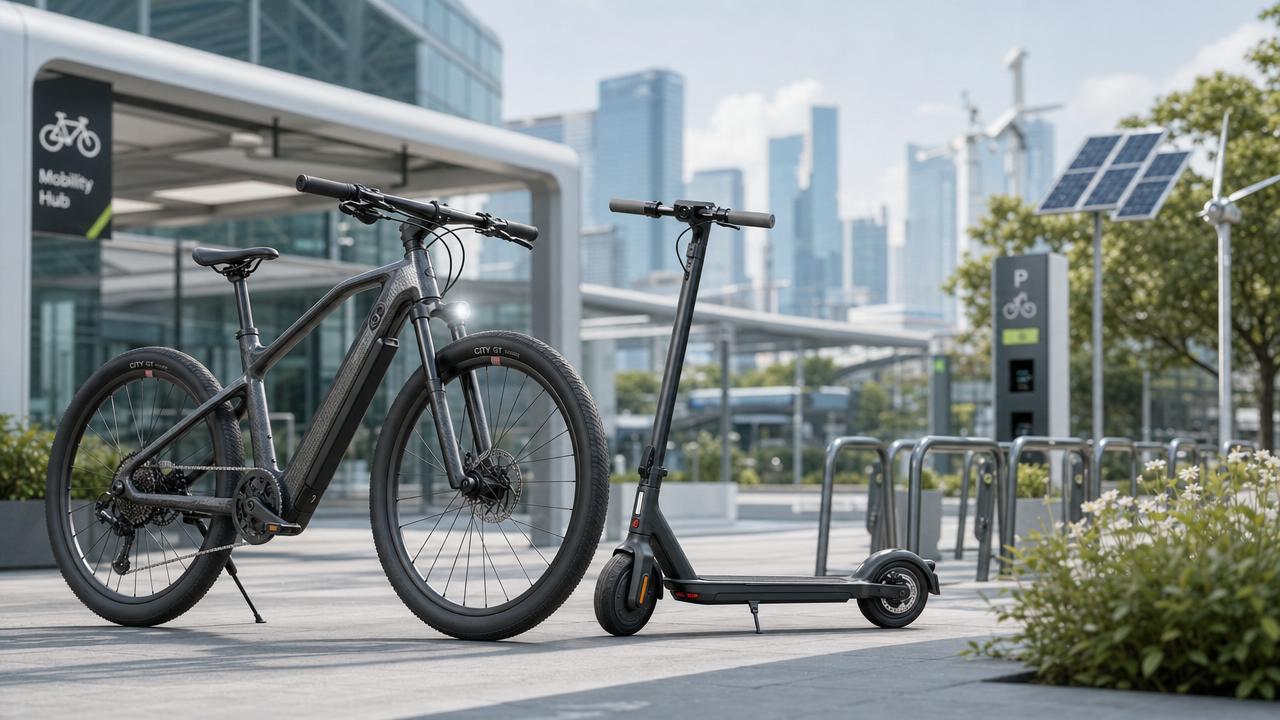
Urban mobility solutions are reshaping how cities answer rising commuter demand in 2026. Growth now depends on smarter vehicles, lighter materials, connected systems, and practical deployment models.
For ACMD, this shift connects e-bikes, smart e-scooters, electronic drivetrains, carbon fiber structures, and high-efficiency electric platforms into one strategic mobility ecosystem.
The key question is no longer whether change is coming. It is how urban mobility solutions should be selected, scaled, and aligned with infrastructure, regulation, and user behavior.
What are urban mobility solutions in the 2026 commuter market?
Urban mobility solutions include transport technologies and service models designed for dense, short-range, low-emission movement. They reduce congestion, shorten transfer times, and improve daily travel flexibility.
In 2026, the category extends beyond public transit integration. It includes electric bicycles, connected e-scooters, battery-swapping light vehicles, advanced transmissions, and lightweight frame engineering.
These solutions matter because commuter demand is changing. Riders want speed, safety, low operating costs, and digital convenience without sacrificing portability or comfort.
Urban mobility solutions also support larger city goals. They help lower emissions, improve curbside efficiency, and make multimodal commuting more practical during peak hours.
Core components shaping demand
- E-bikes for medium-distance commuting and hill-sensitive routes
- Smart e-scooters for first-mile and last-mile access
- Lightweight carbon frames for range, stiffness, and handling
- Electronic shifting systems for precision and lower drivetrain losses
- Data platforms for fleet control, geofencing, and maintenance planning
Why are urban mobility solutions driving stronger commuter demand in 2026?
Commuters are returning to cities, but travel patterns are less predictable. Fixed schedules and single-mode systems often fail to match flexible work and hybrid living arrangements.
Urban mobility solutions answer this gap with shorter waiting times and more direct routes. They perform especially well where rail, bus, and walking alone create friction.
Cost pressure is another driver. Fuel expenses, parking fees, and car ownership burdens continue pushing commuters toward compact electric alternatives with lower total use costs.
Technology has also matured. Battery efficiency, torque control, anti-theft systems, and route intelligence now make micro-mobility more reliable than earlier generations.
What has changed since earlier adoption cycles?
Earlier growth focused on novelty and pilot programs. In 2026, urban mobility solutions are judged on operating economics, durability, regulatory compliance, and integration quality.
This favors platforms with stronger materials science and drivetrain engineering. ACMD closely tracks these performance layers because they directly shape real-world commuter acceptance.
Which technologies are creating the biggest advantage in urban mobility solutions?
The strongest advantage comes from combining hardware performance with digital intelligence. A vehicle alone is not enough. The surrounding control system now influences adoption and retention.
E-bikes and electric assist systems
E-bikes remain central to urban mobility solutions because they extend practical commuting distance. They also reduce sweat, effort barriers, and terrain limitations in dense cities.
Higher quality motors, better battery packaging, and smoother pedal-assist mapping make daily use more natural. This improves rider confidence and repeat usage.
Smart e-scooters and IoT control
Smart e-scooters strengthen urban mobility solutions by solving short transfers. Geofencing, remote diagnostics, and location intelligence help manage fleet discipline and street clutter.
When paired with transit hubs, they reduce trip fragmentation. That makes them valuable where sidewalks, stations, and commercial districts are tightly connected.
Carbon fiber frames and lightweight materials
Lightweight materials improve nearly every performance metric. Carbon fiber frames can enhance acceleration, portability, energy efficiency, and lateral stiffness without excessive bulk.
For premium urban mobility solutions, lightweighting also supports better battery use. Less mass means more effective range and easier carrying in apartments or mixed-mode commutes.
Precision drivetrains and electronic shifting
Advanced derailleur components and wireless shifting improve cadence control. They help riders maintain efficient power delivery across stop-start traffic and variable terrain.
This matters because commuter comfort is linked to smoothness. Harsh shifting and drivetrain inefficiency quickly weaken the appeal of urban mobility solutions.
How should urban mobility solutions be evaluated for different commuter scenarios?
The best urban mobility solutions depend on route length, storage constraints, regulation, rider fitness, and local infrastructure quality. One platform rarely fits every use case.
Scenario-based selection guide
Selection should always balance user convenience with system durability. A lower upfront price can become expensive if maintenance, downtime, or compliance issues grow later.
What mistakes weaken the performance of urban mobility solutions?
A common mistake is evaluating vehicles without considering the route network. Urban mobility solutions succeed when lanes, parking policy, and charging access support daily use.
Another mistake is underestimating materials and component quality. Weak frames, unstable electronics, or poor drivetrain calibration reduce lifespan and create poor rider feedback.
Data blind spots also create risk. Without usage analytics, operators cannot optimize deployment, maintenance cycles, or battery turnover across neighborhoods and time windows.
Risk checklist
- Choosing mobility devices without local regulatory review
- Ignoring rider safety features and braking quality
- Using heavy structures that reduce range efficiency
- Overlooking serviceability of motors, batteries, and transmissions
- Assuming all commuter demand is identical across districts
How can businesses and cities prepare for urban mobility solutions in 2026?
Preparation starts with demand mapping. Trip distance, slope, transfer points, and peak-hour patterns reveal which urban mobility solutions are most likely to scale effectively.
The next step is technical prioritization. High-value deployment often favors efficient motors, durable drivetrains, lightweight frames, and strong software control rather than isolated hardware upgrades.
Reliable intelligence matters here. ACMD supports this process by tracking drivetrain innovation, composite material advances, performance testing, and global low-carbon mobility regulation.
Practical preparation framework
- Audit commuter friction points across target corridors
- Match vehicle type to route and infrastructure conditions
- Prioritize lightweight and energy-efficient system design
- Build maintenance and battery support into deployment plans
- Monitor regulation, subsidy shifts, and right-of-way policy
Quick FAQ table on urban mobility solutions
Urban mobility solutions are becoming a defining layer of 2026 commuter demand. Their value comes from practical integration of electric power, digital control, advanced materials, and real infrastructure fit.
The strongest outcomes will come from solutions built around efficiency, safety, durability, and rider experience. That is where market momentum and long-term competitive advantage are now forming.
To move with confidence, track performance data, compare technology pathways, and follow evolving intelligence across micro-mobility, precision drivetrains, and lightweight systems through ACMD.
Related News