
E-Scooter Technology Upgrades Worth Tracking in 2026

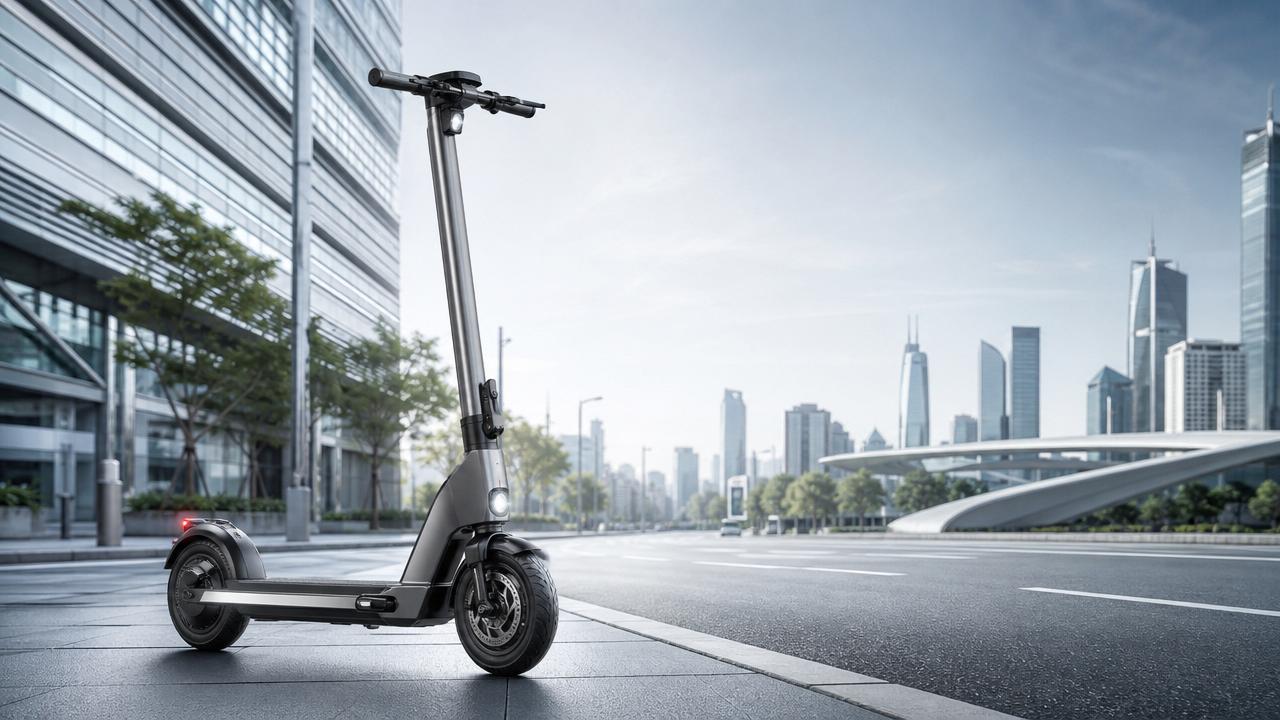
In 2026, e-scooter technology is shifting from basic urban utility to a more integrated mobility system. Performance is no longer judged by speed and range alone.
Battery architecture, connected diagnostics, rider safety logic, and lightweight engineering now shape product value. Cities also expect smarter compliance, cleaner operations, and better fleet accountability.
For intelligence-led observers, the key question is not whether upgrades are coming. It is which e-scooter technology upgrades will define competitive relevance in 2026.
The 2026 signal is clear: e-scooter technology is becoming system-level
Earlier development cycles focused on motor output, battery size, and app-based unlocking. That model is no longer enough for dense cities or premium private ownership.
In 2026, e-scooter technology is judged as a full-stack capability. Hardware, software, materials, regulations, and after-sales intelligence are increasingly interconnected.
This matters across the broader mobility sector. E-bikes, e-motorcycles, transmission systems, and lightweight composites all influence the design logic now entering smart scooters.
The strongest trend signals come from five areas: energy density, thermal safety, intelligent control, structural optimization, and city-facing compliance tools.
Why these e-scooter technology upgrades are accelerating now
The pace of change is not random. Several technical and commercial drivers are pushing the market toward more advanced micro-mobility platforms.
These forces explain why e-scooter technology in 2026 looks less like a gadget race and more like a mobility engineering discipline.
Battery and powertrain upgrades will decide real-world credibility
Battery innovation remains the most watched field in e-scooter technology. Yet the headline is not just longer range. It is safer, more stable, and more measurable power delivery.
Safer battery management becomes a baseline expectation
Next-generation battery management systems are adding more granular cell balancing, thermal anomaly detection, and remote fault reporting.
This improves fire prevention, extends pack life, and supports more reliable charging behavior across private and shared mobility environments.
Efficiency gains matter as much as larger batteries
Smarter controllers reduce wasted energy during acceleration and hill climbing. Regenerative braking is also becoming more refined, especially in stop-and-go urban traffic.
The best e-scooter technology upgrades improve watt-hour utilization, not only battery capacity. That distinction shapes total cost and usable daily performance.
Charging ecosystems are getting more strategic
Fast charging, swappable batteries, and charger authentication protocols are becoming more relevant. Shared fleets gain uptime, while private users gain convenience and trust.
Connected intelligence is turning e-scooter technology into data infrastructure
IoT is no longer a premium add-on. In 2026, connected architecture is becoming core to how scooters are monitored, updated, and governed.
- Real-time location and geofencing improve compliance and anti-theft performance.
- Remote diagnostics reduce service uncertainty and shorten maintenance cycles.
- OTA updates help refine motor maps, braking behavior, and interface logic.
- Usage analytics reveal battery stress, route patterns, and component wear.
This shift is especially important for cities. Digital oversight allows e-scooter technology to fit regulatory frameworks without relying on manual enforcement alone.
It also benefits the wider micro-mobility ecosystem. Lessons from connected e-bikes and high-performance electric motorcycles are influencing scooter control platforms.
Safety engineering is moving from reactive features to predictive control
One of the most meaningful changes in e-scooter technology is the move toward more active safety logic. Hardware and software are now working together.
Braking systems are becoming more sophisticated
Dual braking setups, electronic brake modulation, and stronger wet-surface performance are gaining attention. Stability during emergency stops is a key design priority.
Traction and control features are improving rider confidence
Traction-aware controllers help reduce wheel slip on painted roads, metal covers, and rainy pavement. These improvements matter in dense urban use cases.
Visibility and signaling are getting smarter
Integrated turn indicators, adaptive lighting, and stronger side visibility are becoming more common. Safety communication is now part of vehicle intelligence.
The result is a more mature interpretation of e-scooter technology, where accident prevention is built into the machine rather than left to rider reaction alone.
Lightweight materials are redefining efficiency, comfort, and durability
Material science is increasingly important in e-scooter technology. Lower weight improves portability, but the real benefit is broader system efficiency.
Advanced aluminum alloys remain central, yet magnesium parts and selective composite use are drawing interest. Better stiffness-to-weight ratios support handling and energy savings.
Insights from carbon fiber frame engineering also matter. While full carbon adoption is limited by cost, structural optimization methods are crossing into scooter development.
Vibration management is another overlooked advantage. Improved frame tuning can reduce fatigue, protect electronics, and create a more premium ride experience.
The impact reaches every stage of the mobility value chain
These upgrades do not affect one area only. They reshape design priorities, service logic, compliance planning, and market differentiation across the sector.
This is why tracking e-scooter technology now requires a cross-disciplinary lens. Batteries, controls, materials, and regulation can no longer be studied separately.
What deserves the closest attention through 2026
- Battery safety certification depth, not just advertised range.
- BMS intelligence and thermal monitoring transparency.
- OTA capability and long-term software support policies.
- Geofencing accuracy and regulatory integration quality.
- Brake stability under wet, steep, and repeated urban conditions.
- Frame materials, fatigue resistance, and vibration control methods.
- Modular serviceability and parts replacement efficiency.
Each point reveals whether a platform is prepared for real mobility pressure. Not every visible upgrade signals genuine progress in e-scooter technology.
A practical way to judge the next wave of upgrades
- Compare claimed range with controller efficiency and vehicle weight.
- Check whether connected features improve maintenance and compliance.
- Review braking and traction design for mixed urban surfaces.
- Study material choices for portability, rigidity, and lifecycle durability.
- Track software update policies as seriously as hardware specifications.
The strongest interpretation of e-scooter technology in 2026 is not feature counting. It is systems evaluation across safety, intelligence, efficiency, and operational fit.
For continued tracking, follow developments where micro-mobility intersects with drivetrain precision, lightweight materials, and urban regulation. That is where the most durable competitive signals are forming.
Related News