Bicycle Derailleur Components That Fail Most Often

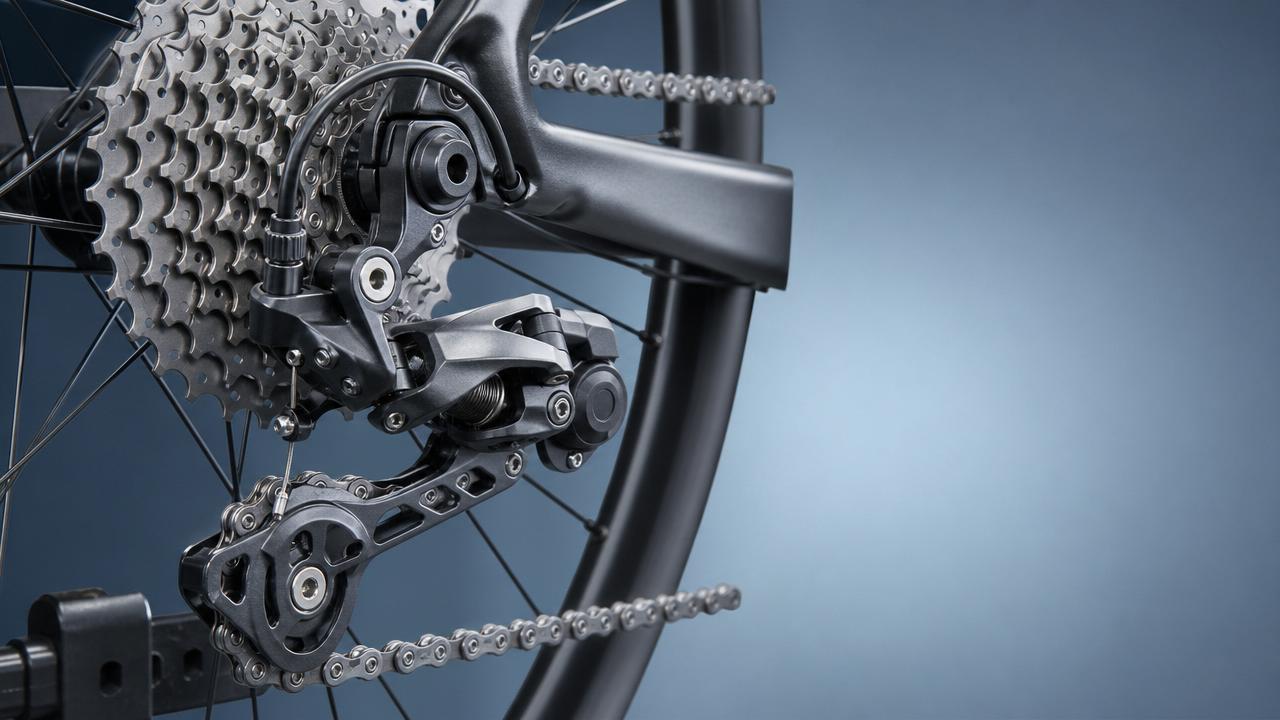
Bicycle Derailleur Components are among the most frequently stressed parts in modern drivetrains, making them a constant focus for aftermarket service teams. From worn jockey wheels to bent hangers and weak return springs, small failures can quickly affect shifting accuracy, rider safety, and service efficiency. This guide highlights the components that fail most often and what maintenance professionals should watch first.
Which Bicycle Derailleur Components Fail Most Often in Real Service Work?
For aftermarket technicians, the failure pattern of Bicycle Derailleur Components is rarely random. Parts fail where contamination, impact, misalignment, and repetitive load overlap. That is especially true in e-bikes, urban fleet bicycles, gravel bikes, and performance road systems where shifting happens under torque or in dirty operating conditions.
In practical workshop terms, the most common failures are not always the most expensive parts. Small items such as pulleys, cables, housing, limit screws, bushings, and hangers often trigger the biggest complaints because they directly affect indexing and drivetrain noise. Service teams that identify these weak points early reduce comeback rates and shorten repair time.
- Rear derailleur hangers bend easily after transport damage, low-speed falls, or chain jams, and even slight misalignment can cause ghost shifting.
- Jockey wheels wear from abrasive contamination, poor lubrication, and chainline inconsistency, leading to noise and reduced shift precision.
- Return springs lose force over time, especially on heavily used commuter and rental fleets where repeated shifts and weather exposure accelerate fatigue.
- Shift cables and housing degrade internally before the fault becomes visible, creating drag that riders often mistake for derailleur failure.
- Pivots and linkage joints develop play, which weakens indexing accuracy across the cassette even if the derailleur body looks intact.
Why failure frequency is increasing
The drivetrain environment is becoming harsher. More torque from mid-drive e-bikes, tighter gear spacing in 11-speed and 12-speed systems, and broader use across commuting, cargo, and mixed-terrain riding all increase sensitivity. A small deviation that a 9-speed system tolerated may create unacceptable shift behavior on newer platforms.
ACMD tracks these changes from a drivetrain intelligence perspective. The shift from purely mechanical systems to electronically controlled and wireless systems improves response speed, but it also raises the importance of precise setup, impact resistance, battery management, and interference control. For service teams, this means failure analysis must go beyond visible wear.
Failure Priority Table: What Should Maintenance Teams Inspect First?
The table below helps prioritize Bicycle Derailleur Components during intake inspection. It focuses on failure frequency, common symptoms, and the first service action that usually saves diagnostic time.
This sequence matters because many workshops still start with barrel adjusters. In reality, bent hangers and friction losses in cable systems account for a large share of repeat shifting complaints. Fast diagnosis begins with geometry and friction, then moves to wear parts and only later to fine adjustment.
How Do Mechanical and Electronic Derailleur Systems Fail Differently?
Not all Bicycle Derailleur Components fail in the same way across mechanical and electronic platforms. Maintenance personnel need different diagnostic logic depending on whether the system depends on cable pull, wired actuation, or wireless control. The symptom may feel similar to the rider, but the root cause can be entirely different.
Mechanical systems
Mechanical rear derailleurs are more vulnerable to cable drag, housing contamination, frayed wires, and incorrect tension. On commuter bikes and wet-weather fleets, internal corrosion can make a healthy derailleur appear defective. This is one of the most common misdiagnoses in routine service.
Electronic systems
Electronic systems reduce cable-related variation but introduce other failure points: battery depletion, connector contamination, firmware mismatch, impact shutdown, and actuator response issues. In high-end applications, millisecond-level shifting performance depends on stable signal processing and accurate mounting. A small alignment error still matters.
ACMD’s coverage of high-frequency anti-interference logic in electronic derailleurs is especially relevant here. For service teams supporting premium bicycles, e-bikes, or export-oriented products, understanding how electronic shifting behavior interacts with vibration, moisture, battery state, and software updates is now part of normal maintenance capability.
Comparison Table: Common Failure Modes by System Type
When selecting spare parts and planning technician workflow, a side-by-side comparison of Bicycle Derailleur Components across system types helps reduce stocking errors and wasted labor.
The key takeaway is that advanced systems do not eliminate failure; they redistribute it. Workshops supporting mixed fleets should build service protocols by system type instead of applying a single derailleur checklist to every bike.
What Causes Premature Failure of Bicycle Derailleur Components?
Premature failure usually comes from a chain of small operational mistakes rather than one dramatic event. In aftermarket conditions, the highest-risk factors are contamination, poor compatibility decisions, incorrect adjustment under time pressure, and delayed replacement of linked wear items such as chains and cassettes.
High-load shifting on e-bikes
Mid-drive e-bikes place extra torque into the drivetrain. If riders shift under heavy assistance, pulleys, cages, chains, and teeth experience repeated shock loads. This does not always break the derailleur immediately, but it shortens service intervals and increases alignment sensitivity.
Transport and storage damage
Many bent hangers appear before the bicycle even reaches the rider. Improper packing, side impacts during logistics, or careless rack storage can distort the rear triangle interface. For workshops handling incoming inventory or warranty claims, intake alignment checks are not optional.
Contamination and cleaning mistakes
Road salt, fine grit, and degreaser misuse shorten the life of Bicycle Derailleur Components. Overwashing can strip lubrication from pulley bearings and pivots. Undercleaning allows abrasive paste to accumulate. The right cleaning method depends on use case, not just appearance.
- Avoid assuming noisy shifting means cable tension alone is wrong.
- Replace worn chains before they accelerate cassette and pulley wear.
- Check cage straightness after even minor crash events.
- Confirm compatibility among cassette range, chain speed, derailleur capacity, and shifter type.
How Should Aftermarket Teams Choose Replacement Parts?
Selecting replacement Bicycle Derailleur Components is not just about matching brand and speed count. For service departments with tight turnaround targets, the right choice balances compatibility, durability, stock efficiency, field failure rate, and expected rider use. A cheaper part that increases returns is rarely the lower-cost option.
Procurement checklist for maintenance personnel
- Verify exact drivetrain architecture: mechanical, wired electronic, or wireless electronic.
- Confirm cassette range and derailleur capacity to avoid cage length mismatch.
- Check hanger interface and frame-specific replaceable hanger availability.
- Assess service environment: fleet commuting, sport use, delivery riding, or off-road exposure.
- Review the real cost of downtime, not only unit price.
ACMD’s value for buyers and service managers lies in connecting component-level durability to larger mobility trends. As e-bikes, lightweight performance bikes, and mixed-use urban mobility products continue to evolve, the procurement team needs intelligence that links materials, transmission design, and field conditions instead of purchasing on catalog data alone.
Selection Table: Replacement Strategy by Service Scenario
Different service scenarios call for different replacement strategies. This table supports parts planning for common Bicycle Derailleur Components in workshop, fleet, and premium performance settings.
A scenario-based stocking plan lowers emergency orders and improves first-time fix rates. For aftermarket operations, the goal is not to hold every part, but to hold the right failure-prone parts with the highest service leverage.
What Standards, Compatibility Checks, and Process Controls Matter?
Bicycle Derailleur Components do not exist in isolation. Reliable service depends on process control and compatibility discipline. Even without referencing brand-specific standards, workshops should follow consistent checks related to drivetrain speed, mounting interface, torque practice, routing, and functional verification after installation.
- Use calibrated tools for tightening bolts at the derailleur mounting point and cable anchor point.
- Inspect hanger alignment before any indexing adjustment and again after impact-related service.
- Confirm chain wear and cassette wear before replacing only one shifting component.
- For electronic systems, verify battery condition, software status, and connector cleanliness before replacing hardware.
- Document pre-service symptoms and post-service shift performance to reduce warranty disputes.
These controls are particularly important for brands and workshops working across international markets. As bicycle, e-bike, and mobility exports expand, consistent service documentation and repeatable maintenance procedures become part of commercial credibility, not just workshop discipline.
FAQ: Questions Aftermarket Service Teams Commonly Ask
How do I know whether the derailleur itself is bad, or the hanger is bent?
If shifting is inconsistent across several cassette positions and fine tuning never holds, inspect hanger alignment first. A derailleur can function normally while a slightly bent hanger creates repeated indexing errors. This is one of the most common causes of unnecessary derailleur replacement.
Are jockey wheels worth replacing separately?
Yes, especially when the derailleur body remains structurally sound. Worn jockey wheels often create noise, poor chain tracking, and a vague shift feel. Replacing them can restore performance at lower cost than a full assembly, but only if pivot wear and cage alignment are still acceptable.
What is the biggest mistake in e-bike derailleur maintenance?
The biggest mistake is evaluating the drivetrain as if it were a low-load conventional bicycle. E-bikes stress Bicycle Derailleur Components more aggressively, especially during loaded shifts. Service intervals should be shorter, chain wear checks more frequent, and rider education about easing pedal pressure during shifts should be part of handover.
When should a workshop replace a full derailleur instead of individual parts?
Replace the full derailleur when the cage is bent, pivots have excessive play, the spring response is clearly weak, or crash damage affects body geometry. If multiple wear points stack together, individual part replacement may consume more labor than a complete assembly change while delivering less consistent results.
Why Many Teams Still Miss the Root Cause
The main reason is speed pressure. Workshops often move directly to visible parts or adjustment knobs because intake volumes are high. But Bicycle Derailleur Components fail as a system. If chain wear, cassette condition, hanger alignment, cable friction, and rider use pattern are not checked together, repairs may appear successful on the stand and fail on the road.
This is where ACMD’s intelligence-led approach is useful. By connecting component failure, drivetrain architecture, lightweight material design, and next-generation mobility use cases, service teams gain a clearer framework for choosing parts, setting intervals, and preventing repeat faults rather than just reacting to them.
Why Choose Us for Bicycle Derailleur Components Insight and Support?
If your team supports premium bicycles, e-bikes, mixed urban mobility products, or export aftersales programs, ACMD can help you evaluate Bicycle Derailleur Components with a broader technical and commercial view. Our focus is not limited to isolated parts lists. We connect drivetrain failure points with material trends, shifting system evolution, and real service demands across modern two-wheel mobility.
You can contact us for practical support around parameter confirmation, replacement strategy, component compatibility, service scenario selection, delivery-cycle planning, and maintenance-oriented product screening. If you are comparing mechanical and electronic shifting solutions, building spare-part plans for e-bike fleets, or reviewing certification and export-facing documentation needs, ACMD can support a more informed decision process.
For workshops, brands, and OEM aftersales teams, the most valuable discussion usually starts with a few specific questions: which Bicycle Derailleur Components are creating repeat claims, which service environments are hardest on your drivetrain, what turnaround time you need, and whether you require sample support or quotation alignment for replacement programs. That is the right starting point for a useful conversation.
Related News