
Bicycle Derailleur Components: Common Failures and Fixes

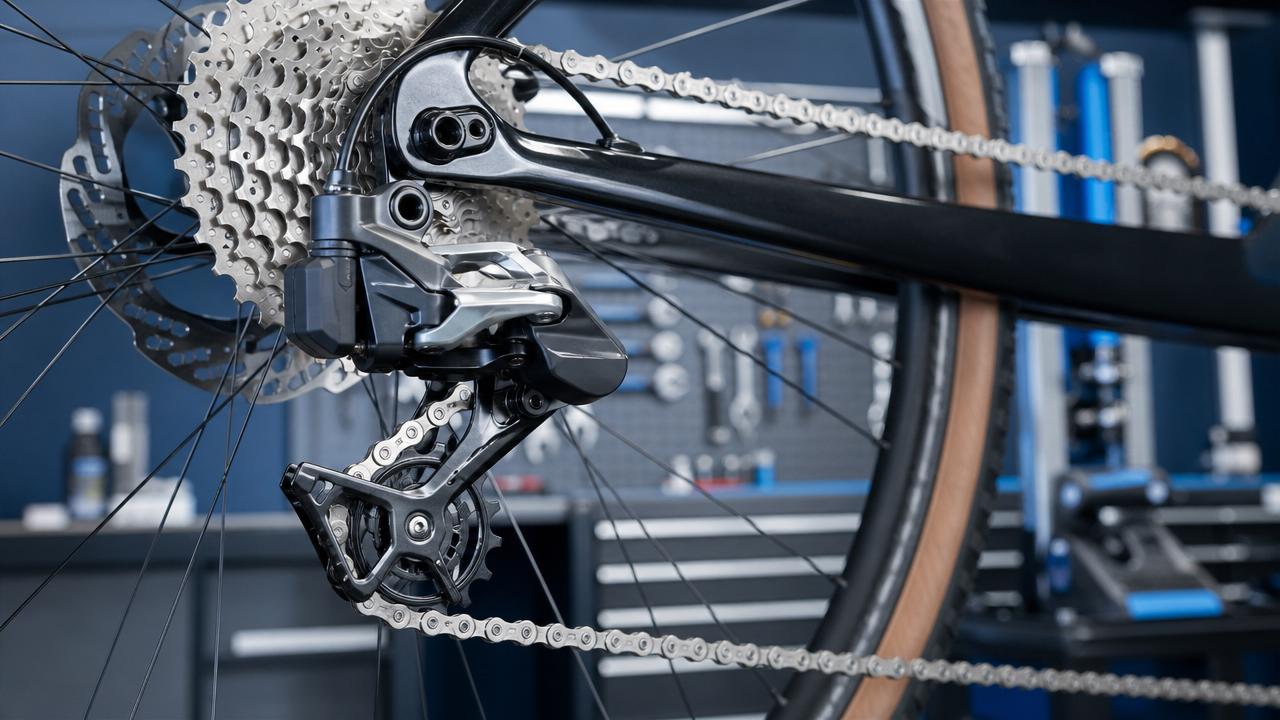
Bicycle Derailleur Components are critical to shifting accuracy, drivetrain efficiency, and overall ride reliability. For after-sales maintenance professionals, understanding the most common derailleur failures—from misalignment and cable tension issues to worn pulleys and electronic response faults—is essential for faster diagnosis and durable repairs. This guide outlines practical fixes that help restore smooth performance and reduce repeat service problems.
In service workshops handling road bikes, mountain bikes, e-bikes, and performance urban mobility products, derailleur problems account for a large share of repeat complaints. A small deviation of 2–4 mm at the hanger, a stretched cable after 300–800 km, or a worn pulley tooth profile can quickly turn into noisy shifting, chain drop, or accelerated cassette wear.
For B2B after-sales teams, the priority is not only to fix the immediate symptom but also to identify root causes, reduce comeback rates, and standardize repair quality across mechanics, regional service centers, and dealer networks. That is especially relevant as Bicycle Derailleur Components now span both mechanical systems and electronic shifting platforms with tighter tolerances and more diagnostic variables.
Why Bicycle Derailleur Components Fail in Real Service Environments
Most derailleur failures do not begin with total part breakage. They start with alignment drift, contamination, incorrect setup, progressive wear, or impact damage. In daily after-sales work, 5 categories usually explain more than 80% of shifting complaints: hanger misalignment, cable or housing friction, pulley wear, limit screw error, and clutch or electronic response issues.
The service environment also matters. Urban fleet bikes often suffer from repeated parking impacts, wet-weather contamination, and poor cleaning habits. Performance bikes face higher chain loads under sprinting and climbing. E-bikes add motor torque, which can magnify indexing errors and chain shock if shift timing is not smooth.
The most common failure patterns
A rear derailleur is a moving linkage system with several wear and adjustment points. Even when the derailleur body looks intact, small defects can create large performance losses. The table below helps maintenance teams connect rider complaints to likely causes and first-line repair actions.
A useful workshop rule is to separate adjustment faults from wear faults in the first 3–5 minutes. If a bike has poor indexing across the full cassette, start with alignment and cable path. If the issue appears only under torque or in selected gears, inspect drivetrain wear before spending time on fine tuning.
Mechanical versus electronic derailleur risk points
Mechanical and electronic Bicycle Derailleur Components fail differently. Mechanical systems are more sensitive to contamination, housing compression, and gradual cable stretch. Electronic systems remove cable friction, but introduce battery state, firmware logic, connector sealing, and impact-related motor calibration issues.
Mechanical systems
- Indexing drift after 2–6 weeks of regular riding due to cable seating and tension loss
- Higher friction in full-length housing, especially on commuter and e-bike frames
- Corrosion and contamination after rain, washing, or winter road exposure
Electronic systems
- Delayed response from low battery, damaged wiring, or weak wireless pairing
- Crash mode or protective shutdown after impact
- Micro-adjustment errors after wheel, cassette, or hanger replacement
For service organizations that support premium cycling brands, documenting whether a fault is mechanical, electrical, or structural reduces unnecessary part replacement. It also improves spare parts planning for pulleys, cages, hangers, cables, housings, batteries, and junction components.
A Practical Diagnostic Workflow for After-Sales Maintenance Teams
Consistent diagnosis is the fastest way to shorten labor time and avoid repeat service. A structured 6-step workflow typically reduces unnecessary adjustments and helps mechanics isolate whether the fault sits in the derailleur, the hanger, the drivetrain, or the control system.
Step-by-step inspection sequence
- Confirm rider complaint: identify which gears fail, under what load, and whether the fault is constant or intermittent.
- Inspect derailleur hanger alignment: tolerance tighter than 3 mm around the rim is a common benchmark for reliable indexing.
- Check chain wear, cassette tooth wear, and pulley play before touching adjustment screws.
- Verify limit screws, B-gap, and cable tension or electronic micro-adjustment.
- Test shift performance in a stand and then under real pedaling load.
- Record parts replaced, settings corrected, and future wear risk for customer follow-up.
Skipping sequence is a major source of inefficiency. Many workshops adjust barrel tension first, then later discover a bent hanger or worn chain at 0.75% elongation. That leads to wasted labor and unstable results. In fleet or dealer environments, using a printed or digital checklist can improve first-time fix rates and create repeatable quality control.
Inspection benchmarks worth standardizing
The following benchmarks are not universal specifications for every brand, but they are practical service ranges used by many experienced mechanics when evaluating Bicycle Derailleur Components across mixed bike categories.
When workshops standardize these checkpoints, mechanics spend less time chasing symptoms. The result is better labor control, more accurate spare parts quoting, and a more professional after-sales experience for brand owners, distributors, and end customers.
Common Bicycle Derailleur Components Failures and How to Fix Them
Below are the faults most frequently seen in service centers. Each issue should be corrected with a root-cause mindset, because simply restoring one shift point often leaves the underlying defect in place.
1. Bent derailleur hanger or derailleur body misalignment
A hanger can bend after a side impact, transport damage, minor crash, or even from a bike falling on the drive side in storage. The rider may report noise in the middle gears, hesitation in one direction, or complete indexing inconsistency. On 10-, 11-, and 12-speed drivetrains, even a small misalignment becomes highly visible.
Fix procedure: first remove obvious debris and check whether the derailleur cage itself is twisted. Then measure hanger alignment with a proper tool at 3, 6, 9, and 12 o’clock positions. Realign if the deviation exceeds workshop tolerance. If the hanger is cracked, heavily fatigued, or repeatedly bent, replacement is safer than repeated correction.
2. Cable tension loss, friction, or housing compression
Mechanical Bicycle Derailleur Components often lose shift accuracy because the cable system changes before the derailleur itself fails. Fresh cables can settle after installation, while old housings develop contamination and drag. Tight frame bends, damaged ferrules, and poor cut quality all increase resistance.
Fix procedure: inspect cable strands, housing ends, frame entry points, and any sharp curves. Replace cable and housing if corrosion, rough feel, or compression marks appear. After reinstallation, set base tension carefully and test across the full cassette under moderate cadence. A quick barrel adjustment may solve a minor issue, but a degraded housing system should not be left in service.
3. Worn pulley wheels and cage hardware
Pulley wheels are small parts, but they directly affect chain tracking and noise. On high-mileage bikes, pulley teeth become pointed, bearings roughen, and cage bolts loosen. This commonly shows up as rumbling, lateral instability, or poor chain control on rough surfaces.
Fix procedure: remove and clean the pulley assembly, inspect rotation smoothness, compare tooth profile wear, and check bolt torque. Replace pulleys if the bearing is rough, seized, or excessively loose. For e-bikes and heavily loaded commuter bikes, shorter inspection cycles such as every 1,500–3,000 km can help prevent secondary wear.
4. Incorrect limit screw and B-gap adjustment
Limit screws are basic settings, yet they are still a frequent cause of dropped chains and unsafe operation. The low limit protects the spokes, while the high limit prevents overshift off the smallest cog. The B-gap influences pulley-to-cassette distance and is especially important on wide-range cassettes.
Fix procedure: reset the high and low limits before final indexing if there is any sign of chain overtravel. Then set B-gap according to the drivetrain type and cassette size. On modern wide-range systems, even a few millimeters of error can weaken shift timing on the largest cogs.
5. Clutch weakness or chain stabilization problems
Many mountain, gravel, and e-bike derailleurs use a clutch mechanism to reduce chain slap and improve retention. Over time, clutch friction can weaken, internal lubrication can degrade, or the mechanism can become contaminated. The rider may notice chain noise, dropped chains, or unstable shifting on rough ground.
Fix procedure: inspect clutch function according to brand service method, check for resistance during cage movement, and clean the surrounding area. If adjustment is available, restore it within the manufacturer’s intended range. If not serviceable or if wear is advanced, replacement is often more reliable than partial repair.
6. Electronic shifting response faults
Electronic derailleur systems are fast and precise, but they add diagnostic layers. Common faults include low battery, poor connector seating, firmware mismatch, impact-triggered protection mode, and motor response irregularity. These issues may appear as delayed shifts, non-response, or inconsistent trimming.
Fix procedure: confirm battery charge level first, then inspect connectors, pairing status, and system diagnostics if available. After impact, verify that the derailleur has not entered a protective mode and that the hanger is still straight. In mixed workshop environments, keeping charging routines and software check procedures standardized can save 10–20 minutes per job.
Preventive Maintenance, Parts Planning, and Service Quality Control
The best derailleur repair strategy is preventive rather than reactive. For distributors, service centers, and brand after-sales teams, preventive maintenance lowers warranty pressure, controls parts consumption, and protects customer perception of product quality.
Recommended service intervals by use case
Different riders create very different wear patterns. A competitive rider may need drivetrain inspection every 500–800 km, while a city commuter may need seasonal checks based more on weather exposure than distance. The table below can support service menu design and customer communication.
This type of interval planning helps after-sales teams build preventive packages instead of waiting for failure. It also improves parts forecasting for cables, pulleys, hangers, chains, cassettes, and electronic support items.
Three common service mistakes that increase repeat repairs
- Adjusting indexing before checking hanger alignment and drivetrain wear
- Replacing the derailleur body when the actual fault is a worn chain or cassette interface
- Ignoring e-bike torque effects and returning the bike without a load-based road test
From a quality-control perspective, every completed derailleur service should include at least 4 confirmations: full cassette coverage, no chain overtravel, stable shifting under load, and no abnormal pulley or cage noise. For electronic systems, add battery status and communication check to the close-out record.
Parts selection and replacement strategy
After-sales professionals should treat Bicycle Derailleur Components as part of a drivetrain system, not isolated hardware. Replacing one heavily worn part in a mismatched system can create poor outcomes. For example, a new derailleur paired with a badly worn cassette may still skip under load, while a fresh chain on hooked teeth may accelerate noise and wear.
A practical replacement strategy is to group parts by wear interaction: chain with cassette evaluation, pulley with cage hardware review, cable with housing, and derailleur body with hanger verification. This approach improves durability, makes quotations easier to explain, and reduces disputes over whether the first repair “worked.”
How ACMD-Oriented Service Teams Can Use Derailleur Intelligence Better
In the premium mobility and precision transmission market, service is no longer just a workshop task. It is a brand-value function. For teams working around high-end bicycles, e-bikes, and advanced drivetrain platforms, tracking recurring failure modes across regions can reveal whether the issue comes from setup training, product compatibility, riding conditions, or parts lifecycle management.
That is where an intelligence-driven approach becomes valuable. When maintenance teams connect field failures in Bicycle Derailleur Components with broader trends such as electronic shifting adoption, torque-heavy e-bike usage, and lightweight frame integration, they can build faster diagnostics, smarter spare-part plans, and more credible technical support for distributors and OEM partners.
What after-sales teams should document on every derailleur case
- Bike category: road, MTB, gravel, commuter, or e-bike
- Drivetrain type: mechanical or electronic
- Failure trigger: crash, contamination, wear, setup error, or intermittent electrical issue
- Measured wear points: chain, pulleys, cassette, hanger alignment
- Corrective action and road-test result
Over 20–50 service cases, these records start to show patterns that are useful for dealer training, warranty triage, and procurement planning. They also help separate isolated defects from recurring field conditions, which is critical in high-value cycling and micro-mobility business operations.
For after-sales maintenance professionals, the most reliable results come from disciplined diagnosis, realistic replacement thresholds, and service records that tie symptoms to measurable root causes. When Bicycle Derailleur Components are inspected as part of the full drivetrain system, repair quality improves, labor waste falls, and customer confidence is easier to retain.
If your team needs deeper guidance on derailleur diagnostics, drivetrain service planning, or premium mobility component trends, ACMD can support more informed technical decisions. Contact us today to discuss tailored maintenance insights, parts evaluation workflows, or broader two-wheel transmission solutions.
Related News