
Bike Transmission Choices for Low-Maintenance Fleets

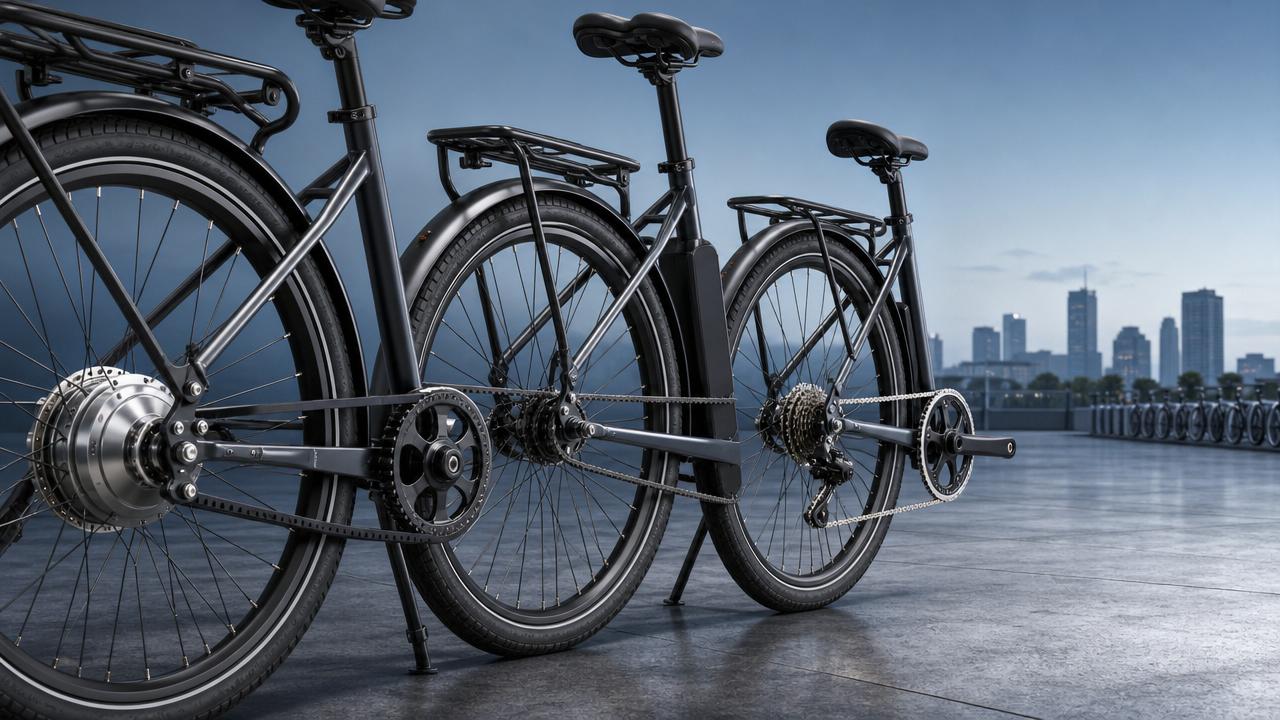
Choosing the right bike transmission now shapes more than ride feel. It directly affects uptime, workshop load, rider confidence, and the long-term economics of urban mobility operations.
As shared fleets, delivery bikes, commuter programs, and service vehicles scale, transmission decisions are moving from component preference to strategic infrastructure planning.
A drivetrain that performs well in showroom tests may fail under rain, stop-start traffic, curb impacts, and inconsistent user behavior. That gap is where maintenance costs rise.
For ACMD’s mobility lens, the modern bike transmission conversation sits at the intersection of durability, lightweight engineering, digital service efficiency, and low-carbon fleet reliability.
Urban fleet conditions are changing what counts as a good bike transmission
In the past, many operators prioritized low purchase price and broad parts availability. Today, service simplicity and predictable performance are becoming stronger decision signals.
Three conditions are driving that shift. Fleets are used more intensively, labor costs are rising, and vehicle availability has become a core service metric.
That means a bike transmission is no longer judged only by gear range. It is judged by how often it needs adjustment, how easily it survives weather, and how quickly it returns to service.
Traditional derailleur systems still dominate many categories. However, enclosed hub gears, belt-compatible drivetrains, and sealed transmission designs are gaining attention in low-maintenance fleet planning.
Key trend signals seen across mobility operations
- More bikes operate daily in wet, dirty, and high-abuse urban environments.
- Service teams need fewer touchpoints per vehicle each month.
- Riders expect smoother shifting with minimal training.
- Operators increasingly evaluate total cost of ownership, not just component price.
- Electrified fleets put higher torque loads on the bike transmission.
Why bike transmission choices are moving toward sealed and simplified systems
The shift is not driven by fashion. It reflects operational pressure from maintenance scarcity, user variability, and the need for predictable asset life.
These pressures explain why many fleet evaluations now compare derailleurs, internal gear hubs, single-speed systems, and belt-drive combinations under real operating stress.
Each bike transmission option now carries a different maintenance profile
No single bike transmission wins every use case. The best option depends on terrain, duty cycle, weather exposure, and the desired balance between simplicity and flexibility.
Derailleur systems remain flexible but service-intensive
Derailleur drivetrains offer broad gear range, efficient pedaling, and mature supply chains. They suit routes with varied elevation and riders needing more cadence control.
Their weakness in fleets is exposure. Open components collect dirt, suffer impact damage, and often require indexing, chain care, and replacement of wear parts.
Internal gear hubs support cleaner low-maintenance operations
An internal hub gear places shifting mechanisms inside a sealed housing. This protects the bike transmission from contamination and reduces adjustment frequency.
Hub gears are often attractive for urban fleets with moderate terrain. They can shift while stopped, which helps stop-start traffic and less experienced riders.
Trade-offs include higher upfront cost, added rear-wheel service complexity, and sometimes lower mechanical efficiency under certain conditions.
Single-speed and limited-range systems reduce failure points
For flat urban networks, a single-speed bike transmission can be the simplest answer. Fewer moving parts often mean fewer service events and easier training.
The limitation is obvious. Terrain variation, heavy loads, and wider rider fitness differences may create poor usability and lower acceptance.
Belt-drive combinations are gaining strategic value
When paired with hub gears, belt systems offer a clean, quiet, and corrosion-resistant drivetrain package. They reduce lubrication needs and clothing contamination.
This setup can be highly compelling where cleanliness, low noise, and reduced routine service are important. Frame compatibility and initial cost remain key constraints.
The impact of bike transmission strategy reaches beyond the workshop
Transmission choice influences several business layers at once. It changes maintenance scheduling, spare-part inventory, rider experience, and asset redeployment options.
A poorly matched bike transmission increases hidden friction. That may appear as slower repairs, more roadside issues, rider complaints, and shorter component life.
- Operations: more or fewer service interruptions per month.
- Finance: better forecasting of replacement cycles and labor hours.
- Rider retention: smoother shifting often improves daily satisfaction.
- Brand perception: cleaner, quieter bikes signal reliability and quality.
- Sustainability: longer component life reduces waste and replacement frequency.
For ACMD’s strategic view, this is why drivetrain architecture deserves the same attention as battery systems, frame materials, and digital fleet intelligence.
What deserves closer attention before locking in a bike transmission standard
The most resilient fleets define transmission requirements from actual route and service data, not assumptions carried over from consumer bicycle categories.
Core points to evaluate
- Average daily mileage and peak torque exposure.
- Route profile, including hills, payload, and stop frequency.
- Weather intensity and contamination risk.
- Technician skill availability and service turnaround targets.
- Parts availability across all operating regions.
- Compatibility with e-bike motors, frames, and brake systems.
- Expected rider behavior and training limitations.
A bike transmission that appears premium may underperform if spare parts are slow, wheel removal is difficult, or technicians need specialized procedures for routine service.
A practical way to judge future-ready bike transmission decisions
The strongest decision method is phased validation. Test one bike transmission option in a controlled pilot, compare service records, then expand only after confirming field durability.
Useful metrics include downtime hours, adjustment frequency, chain or belt replacement rates, rider complaints, and cost per kilometer.
The next step is to align bike transmission selection with long-term mobility economics
The best bike transmission for low-maintenance fleets is rarely the cheapest line item. It is the one that reduces intervention, protects uptime, and stays dependable across real city stress.
Transmission strategy should be reviewed alongside frame durability, motor pairing, service network capability, and expected fleet expansion plans.
ACMD’s broader market reading suggests low-maintenance drivetrains will gain importance as micro-mobility systems become more data-driven, labor-sensitive, and uptime-focused.
Start with route reality, compare transmission architectures under field conditions, and build standards around lifetime performance. That approach turns bike transmission choice into a strategic advantage.