Micro-Mobility Trends 2026: Which Models Are Scaling Fast?

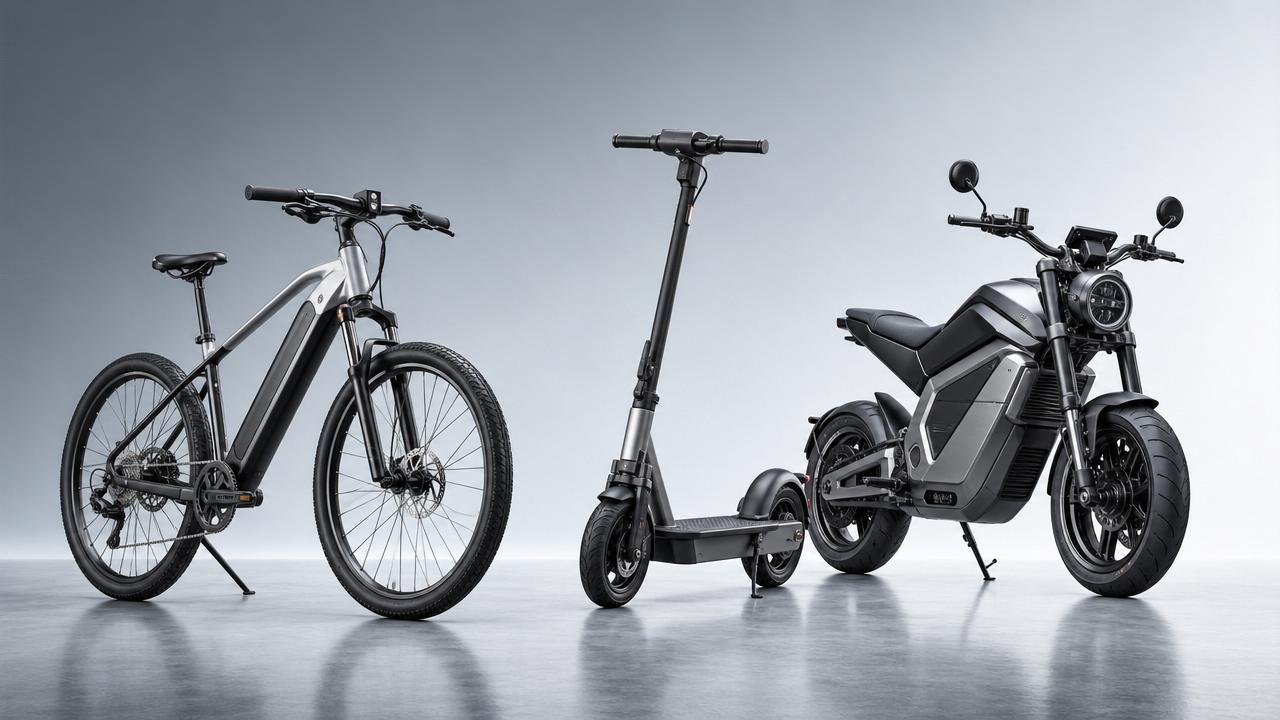
Micro-mobility trends are accelerating into 2026, creating new opportunities for dealers, distributors, and agents seeking scalable, high-margin models. From e-bikes and smart e-scooters to high-speed e-motorcycles and advanced lightweight components, the market is shifting fast under the influence of regulation, technology, and consumer demand. This article highlights which segments are scaling fastest and what channel partners should watch next.
What do micro-mobility trends really mean for channel partners in 2026?
For dealers and distributors, micro-mobility trends are not only about consumer buzz. They signal which categories can scale through repeatable demand, workable service models, and manageable compliance requirements across multiple markets.
The practical question is simple: which models can move from pilot sales to stable volume without destroying margin through warranty claims, battery logistics, or changing road-use rules? In 2026, that question matters more than headline growth.
ACMD tracks this shift through a wider lens than product launches alone. Its intelligence focus spans e-bikes, smart e-scooters, high-speed e-motorcycles, precision drivetrain components, and carbon fiber frame technologies, helping channel partners read where technical readiness meets commercial viability.
- Demand is increasingly segmented by city density, travel distance, premium willingness to pay, and local right-of-way regulation.
- Scalability now depends on after-sales design, battery support, software reliability, and certification clarity as much as on unit price.
- Lightweight materials and electronic systems are becoming margin drivers, not only engineering upgrades.
Which micro-mobility segments are scaling fastest?
Among current micro-mobility trends, not all categories scale at the same speed. Some win through fast urban adoption, while others grow through premium positioning, fleet compatibility, or component-driven upgrade cycles.
The table below compares the main categories from a dealer and distributor perspective rather than a purely consumer one. It focuses on route-to-market practicality, service burden, and likely expansion logic into 2026.
The most scalable categories are e-bikes and smart e-scooters, but for different reasons. E-bikes usually provide broader demographic demand and stronger premiumization. Smart e-scooters can scale faster in city corridors, yet they face sharper policy swings.
High-speed e-motorcycles offer a different type of opportunity. They may not be the widest-volume play, but they can create larger average order values and stronger network stickiness where charging, swapping, and licensing frameworks are already improving.
Why are e-bikes still leading key micro-mobility trends?
Urban practicality plus premium pricing
E-bikes remain central to micro-mobility trends because they solve more than one demand problem at once. They work for commuting, short logistics, family transport, senior mobility, and fitness-oriented buyers who want assist rather than full throttle dependence.
For channel partners, that diversity reduces category risk. A distributor can target multiple retail profiles with one broader platform strategy, then localize through battery range, motor placement, frame geometry, and accessory kits.
Where dealers should focus
- Urban commuter e-bikes with practical range and low-maintenance drivetrains often outperform feature-heavy models that are difficult to service.
- Cargo and utility variants can support B2B sales, especially in local delivery and campus operations.
- Premium lightweight builds using carbon components or refined transmission systems attract buyers with higher willingness to pay and lower price sensitivity.
ACMD’s analysis is especially useful here because the strongest e-bike opportunities are increasingly tied to engineering details. Frame stiffness, battery thermal behavior, electronic shifting reliability, and materials choice all affect return rates and dealer reputation.
Are smart e-scooters scaling faster than many expect?
In several cities, yes. Smart e-scooters continue to rank high among micro-mobility trends because they fit dense urban movement better than many larger formats. They are easy to store, quick to deploy, and attractive for short commute chains linked to trains, buses, and office districts.
Yet channel partners should avoid confusing fast adoption with easy business. Smart e-scooters scale well only when durability, software control, and local operating rules are aligned. Cheap hardware can create expensive support burdens.
Three signs a scooter platform is channel-ready
- It supports fleet or dealer diagnostics for battery status, controller health, and fault reporting.
- Its structure is designed for repeated urban impact, not only showroom appearance.
- Its geofencing or speed-limiting capabilities can be adapted to market-specific rules.
This is where ACMD’s cross-disciplinary intelligence matters. Understanding not just the vehicle, but also the software layer, mechanical wear behavior, and compliance environment, helps distributors avoid models that look scalable on paper but fail in real deployment.
How should distributors compare scalable models before procurement?
One of the biggest pain points behind current micro-mobility trends is procurement uncertainty. Buyers often compare motor power or top speed, but miss the channel-critical variables that decide total profitability after launch.
The following evaluation matrix is designed for dealers, distributors, and agents that need a quick but rigorous screening method before committing inventory, samples, or regional exclusivity discussions.
This comparison shows why the fastest-growing micro-mobility trends do not always produce the safest procurement outcomes. The best channel decision is usually the model with the lowest hidden support cost, not the most aggressive brochure specification.
What role do lightweight materials and advanced components play in scaling?
A major shift inside micro-mobility trends is that component technology is becoming a market driver in its own right. Lightweighting and drivetrain precision now influence not only performance, but also how a product is positioned, priced, and serviced.
Carbon fiber frames
Carbon fiber is no longer limited to elite racing narratives. In selected e-bike and performance bicycle channels, aerospace-grade lightweight structures support better ride dynamics, reduced overall mass, and a more premium sales story. For dealers, that means higher ticket potential if customer education and handling protocols are in place.
Electronic derailleur systems
Wireless or electronically controlled shifting systems matter because they reshape expectations around precision, responsiveness, and maintenance tuning. Distributors serving premium cycling markets can use these systems to build differentiated product stacks instead of competing only on frame price.
ACMD’s coverage of fluid dynamics, anti-interference logic, and composite structure behavior helps bridge a common market gap: many channel players understand category demand, but not the engineering signals that predict long-term product acceptance.
Which compliance and certification issues can slow scaling?
Compliance is one of the least glamorous parts of micro-mobility trends, yet it often decides whether a fast-selling model can actually scale across regions. Different markets may classify similar vehicles differently based on speed, power, throttle function, lighting, or battery design.
- E-bikes may need category-specific treatment depending on pedal assist limits and road-use definitions.
- Smart e-scooters can face sudden restrictions tied to sidewalk use, speed capping, parking controls, or fleet permits.
- High-speed e-motorcycles require closer review of registration, insurance, and rider licensing obligations.
- Battery shipments may trigger transport documentation and packaging requirements that affect lead time and landed cost.
Distributors should ask suppliers for market-relevant compliance documents early, not after price negotiation. Early screening avoids later disputes over model classification, restricted sales territories, or delayed customs release.
Common mistakes when reading micro-mobility trends
Mistake 1: Chasing volume before service capability
A fast-moving category can quickly become unprofitable if spare parts, technician training, or battery replacement processes are weak. Scale without support often leads to margin erosion.
Mistake 2: Overvaluing headline specifications
Top speed, nominal range, and peak power attract attention, but they do not tell the full commercial story. Reliability under real-use stress usually matters more for repeat business.
Mistake 3: Ignoring premium subsegments
Some dealers assume premium products are too narrow. In reality, carbon frames, advanced transmissions, and refined electric systems can create better margins and lower direct price competition when matched to the right customer base.
FAQ: what are channel partners asking about micro-mobility trends?
How should I choose between e-bikes and smart e-scooters for my market?
Start with use-case density and regulation. If your market values commuting comfort, cargo use, and premium lifestyle sales, e-bikes often offer stronger long-term depth. If users prioritize portability and ultra-short trips in dense urban zones, smart e-scooters may scale faster, provided local rules are stable.
What should I check before signing an agency or distribution deal?
Confirm spare parts support, warranty process, battery replacement policy, applicable compliance documents, packaging standards, and firmware or diagnostic access where relevant. These issues influence your real margin more than introductory pricing alone.
Are high-speed e-motorcycles worth adding now?
They are worth evaluating if your region already supports registration, insurance handling, charging or swap partnerships, and performance-oriented buyers. They are not a universal play, but in structured markets they can deliver higher-value transactions and fleet opportunities.
How important are lightweight materials in dealer sales?
They matter most in premium and enthusiast segments, but their influence is expanding. Lower weight improves handling, portability, and efficiency narratives. For the right audience, that can justify stronger pricing and reinforce technical brand credibility.
Why work with ACMD when evaluating micro-mobility trends?
ACMD is positioned for decision-makers who need more than general market commentary. Its intelligence connects urban mobility demand, precision drivetrain evolution, electric platform shifts, and aerospace-grade lightweight material development into one commercially useful view.
For dealers, distributors, and agents, that means support around questions that directly affect channel execution:
- Which micro-mobility segments are most scalable in a target region.
- How to compare e-bike, scooter, or e-motorcycle platforms before committing inventory.
- What technical parameters deserve closer review, including drivetrain architecture, lightweight frame design, and electronic control stability.
- How compliance expectations, delivery timing, and after-sales structure may affect launch risk.
If you are planning product selection, regional distribution strategy, sample evaluation, or supplier screening for 2026, contact ACMD to discuss parameter confirmation, model positioning, delivery-cycle planning, certification checkpoints, custom market intelligence, and quotation-oriented sourcing conversations. That is the practical way to turn micro-mobility trends into scalable channel growth.
Related News