
Urban Cycling Trends Shaping City Commutes in 2026

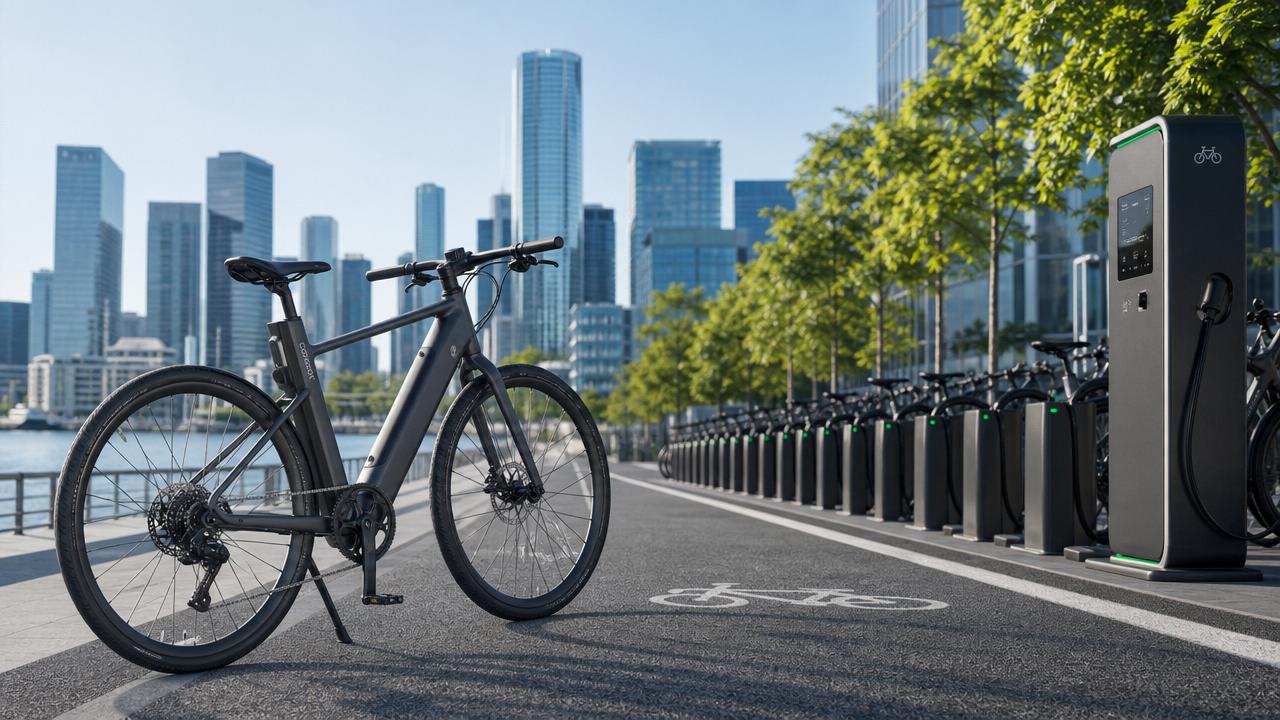
Urban cycling is moving from a lifestyle choice to a strategic force shaping city commutes in 2026. For business decision-makers, the signal is clear: cycling is no longer a niche mobility topic. It is becoming a core layer of urban transport strategy, asset planning, lightweight vehicle innovation, and low-carbon value creation.
The most important question is not whether urban cycling will grow, but which trends will create durable commercial advantage. Across cities, the winning models combine e-bike adoption, connected infrastructure, policy support, fleet intelligence, and higher-performance components that improve reliability, safety, and rider experience.
For executives in mobility, manufacturing, urban services, and investment, understanding urban cycling means understanding where future demand, regulation, and margin opportunities are moving. In 2026, city commutes will be shaped by systems thinking rather than single-product thinking.
Why urban cycling matters more to business strategy in 2026
Urban cycling has become a practical response to congestion, emissions targets, rising transport costs, and commuter demand for flexibility. What was once framed as personal wellness or environmental preference is now tied directly to city efficiency and economic resilience.
For enterprise leaders, this shift matters because cycling affects multiple profit pools at once. These include vehicle sales, component upgrades, fleet services, charging ecosystems, software platforms, insurance models, infrastructure partnerships, and data-driven mobility management.
The strongest growth comes from use cases where cycling solves real transport friction. Short urban trips, multimodal commutes, campus mobility, corporate mobility programs, residential last-mile access, and high-density district circulation all benefit from faster, lower-cost two-wheeled movement.
That makes urban cycling especially relevant for decision-makers evaluating how to align product development, market positioning, and regional expansion with long-term mobility trends rather than short-term consumer enthusiasm.
What is driving the next wave of urban cycling adoption
Several forces are accelerating adoption at the same time. The first is electrification. E-bikes reduce the physical barrier to riding, expand average commuting distance, and make cycling viable for older riders, mixed-fitness populations, and daily business users.
The second driver is policy. More cities are treating cycling as critical mobility infrastructure, not optional recreation. That means protected lanes, curb-space redesign, subsidy programs, traffic calming, and integration with public transport systems are becoming more common.
The third is economics. Compared with cars, ride-hailing, or even some transit patterns, urban cycling can offer lower total commuting costs. For employers and operators, that creates an attractive case for mobility benefits, fleet deployment, and urban service optimization.
The fourth is technology maturity. Smart locking, battery management, anti-theft systems, route analytics, geofencing, predictive maintenance, and app-based access make cycling easier to manage at scale. This is especially important for shared fleets and enterprise deployments.
Finally, consumer expectations are rising. Riders increasingly expect urban cycling products to be lighter, more connected, safer, and more premium. That raises the importance of drivetrain precision, frame engineering, battery integration, and digital user experience.
How e-bikes are redefining city commutes
If one category is reshaping urban cycling in 2026, it is the e-bike. E-bikes extend the practical commuting radius without requiring the infrastructure cost of larger electric vehicles. They also improve trip consistency, especially in cities with hills, heat, or longer suburban approaches.
For business leaders, the strategic relevance of e-bikes lies in adoption breadth. They appeal to office workers, students, delivery riders, municipal staff, tourists, and older commuters. This broad user base makes the category more resilient than many narrower mobility segments.
E-bikes also support premiumization. Buyers are willing to pay for better battery range, cleaner frame integration, smoother motor response, and lower system weight. This benefits brands and suppliers that can combine performance engineering with reliable after-sales support.
On the operations side, e-bikes create recurring revenue opportunities. Batteries, service plans, software subscriptions, component replacement, fleet maintenance, and financing all add value beyond the initial hardware sale.
However, success depends on lifecycle economics. Decision-makers should assess battery degradation, service network density, spare-parts availability, regulatory compliance, and theft mitigation. Growth alone is not enough; profitable urban cycling requires dependable unit economics.
Why lightweight materials and high-performance components are becoming urban priorities
Urban commuters may not describe their needs in engineering language, but they still reward better engineering. Lighter vehicles are easier to carry, store, accelerate, and maneuver. In dense cities, these factors materially influence purchase decisions and daily usage rates.
This is where advanced materials matter. Carbon fiber and other lightweight composites are no longer relevant only to elite road cycling. As urban products move upmarket, aerospace-grade material logic is entering city mobility through lighter frames, improved stiffness, and better fatigue performance.
For premium segments, a lightweight frame can improve ride feel, energy efficiency, and portability at the same time. For manufacturers, it can support differentiation in crowded markets where basic electrification is becoming standard rather than distinctive.
Drivetrain innovation also matters more than many executives assume. Precision derailleur components, electronic shifting systems, and low-maintenance transmission design improve reliability and smoothness. In urban cycling, that translates into fewer disruptions and a more refined ownership experience.
For fleet operators, component durability is especially important. Better shifting performance, improved weather resistance, and lower maintenance frequency can reduce downtime and service costs. In high-utilization environments, these technical gains directly affect return on assets.
How connected infrastructure is changing the value of urban cycling
Urban cycling succeeds when products and streets work together. In 2026, the cities gaining the most from cycling are those building connected ecosystems rather than isolated bike lanes. Infrastructure now includes digital, operational, and policy layers in addition to physical design.
Protected lanes remain essential, but they are only the starting point. Secure parking, charging access, interchange hubs, wayfinding systems, geofenced zones, and data-sharing platforms increase the utility of cycling for daily commuting and commercial use.
This creates major partnership opportunities for private companies. Vehicle makers, software providers, battery specialists, insurers, logistics firms, and real estate operators can all participate in the urban cycling ecosystem if they solve specific friction points.
For example, office campuses can integrate bike storage, charging, and employee mobility benefits. Property developers can use cycling infrastructure to improve tenant attractiveness. Retail districts can reduce access friction by improving two-wheeled convenience for short-stop visits.
For city-facing businesses, the key insight is that infrastructure quality changes demand elasticity. Better conditions do not just serve existing riders. They unlock entirely new user segments that previously considered cycling inconvenient, unsafe, or physically impractical.
What enterprise decision-makers should watch in regulation and risk
Urban cycling growth does not eliminate risk; it changes its form. Regulation is becoming more detailed around speed classes, battery safety, parking behavior, sidewalk use, delivery operations, and product certification. Companies need structured monitoring rather than reactive compliance.
E-bike classification is especially important. Rules differ by market on motor power, throttle use, top assisted speed, licensing, and where vehicles may legally operate. A product strategy that works in one region may face restrictions or redesign costs in another.
Battery compliance is another critical area. Fire safety standards, transport rules, end-of-life recycling obligations, and charger certification requirements are tightening. Firms that underestimate this issue risk recalls, reputational damage, and insurance complications.
Shared and commercial fleets face additional scrutiny. Cities increasingly want better control of parking discipline, geofenced speed management, and fleet density. Operators need data capability, municipal engagement, and flexible software controls to remain viable partners.
Executives should also assess theft, vandalism, and serviceability risks. Urban cycling can scale quickly, but fragile business models break quickly too. The most durable companies design products and operating systems around urban realities, not idealized use assumptions.
Where the best commercial opportunities are emerging
Not every urban cycling opportunity offers equal value. The strongest commercial potential in 2026 lies where technology, regulation, and user need align. This tends to favor premium e-bikes, enterprise fleet solutions, smart accessories, component upgrades, and integrated service models.
Premium urban commuter bikes are one promising segment. Buyers increasingly want reliability, sleek integration, connected features, and lower maintenance. Brands that combine strong industrial design with real engineering substance can command higher margins.
Another opportunity is fleet intelligence. Businesses and municipalities need tools for usage tracking, maintenance scheduling, battery analytics, theft prevention, and rider safety monitoring. Software-enabled fleet management can become a durable revenue stream in its own right.
Component suppliers also have room to grow. As urban cycling matures, OEMs will seek better drivetrains, lighter structures, stronger braking systems, and smarter electronics. Suppliers with proven performance data and manufacturing consistency will be well positioned.
There is also strategic value in aftermarket ecosystems. Urban riders want dependable service, battery replacement, software updates, and accessory compatibility. Companies that support ownership over time will often outperform those focused only on initial product shipment.
How to evaluate urban cycling investments and partnerships
For business decision-makers, enthusiasm should be filtered through disciplined evaluation. The first question is whether the target offering solves a repeatable mobility problem. Products that depend on novelty usually fade; products that remove daily commuting friction usually scale.
The second question is defensibility. Is the advantage based on brand alone, or on materials expertise, drivetrain performance, embedded software, distribution strength, or regulatory access? In urban cycling, durable value usually comes from stacked capabilities.
The third question is operational fitness. Can the company support warranty claims, service intervals, battery logistics, and regional compliance? This is where many promising mobility businesses fail. Demand growth cannot compensate for weak operating architecture.
The fourth question is data visibility. Smart mobility platforms should provide insight into usage, maintenance, safety, and lifecycle cost. Without that intelligence, enterprise buyers and city partners struggle to measure outcomes or justify expansion.
Finally, assess how well a business fits the broader urban mobility system. The winners in 2026 will not be those selling isolated vehicles. They will be those integrating products into commuting networks, property ecosystems, public transport interfaces, and low-carbon planning goals.
What urban cycling will look like in the most competitive cities
By 2026, leading cities will treat urban cycling as part of a coordinated mobility architecture. E-bikes, scooters, public transport, and walkable district design will work together rather than compete blindly for space, subsidy, and user attention.
In these cities, commuters will expect smoother mode switching, better route safety, more secure storage, and higher-quality vehicles. Businesses serving these markets will need to deliver not just products, but dependable performance across the full commuting experience.
We will also see stronger segmentation. Some markets will favor affordable utility mobility, while others will support premium lightweight designs and advanced electronic systems. Understanding local transport pain points will be more valuable than chasing broad global narratives.
For manufacturers and mobility strategists, this means investing in modularity, compliance readiness, and ecosystem partnerships. Urban cycling is becoming more sophisticated, and the market will reward companies that can adapt products and services to specific city conditions.
The broader lesson is clear: urban cycling is no longer a side category within mobility. It is becoming a strategic platform where engineering quality, digital intelligence, and public policy intersect.
Conclusion: urban cycling is becoming a strategic mobility market, not just a transport trend
Urban cycling in 2026 will shape city commutes through electrification, lightweight design, smarter infrastructure, and connected operating models. For enterprise leaders, the opportunity is real, but so is the need for sharper judgment.
The companies most likely to win will focus on practical value: reducing commute friction, improving lifecycle economics, meeting regulatory demands, and integrating into broader urban mobility systems. That requires more than market optimism. It requires technical depth and strategic discipline.
For decision-makers tracking the future of urban transport, urban cycling deserves serious attention now. It is not simply growing as a consumer category. It is evolving into a durable, multi-layer business arena with implications for manufacturing, infrastructure, software, and city competitiveness.
In that sense, the central question for 2026 is straightforward. Not whether urban cycling matters, but how quickly your organization can identify where it creates the most measurable value.
Related News