Bike Transmission Choices: Hub vs Derailleur Trade-Offs

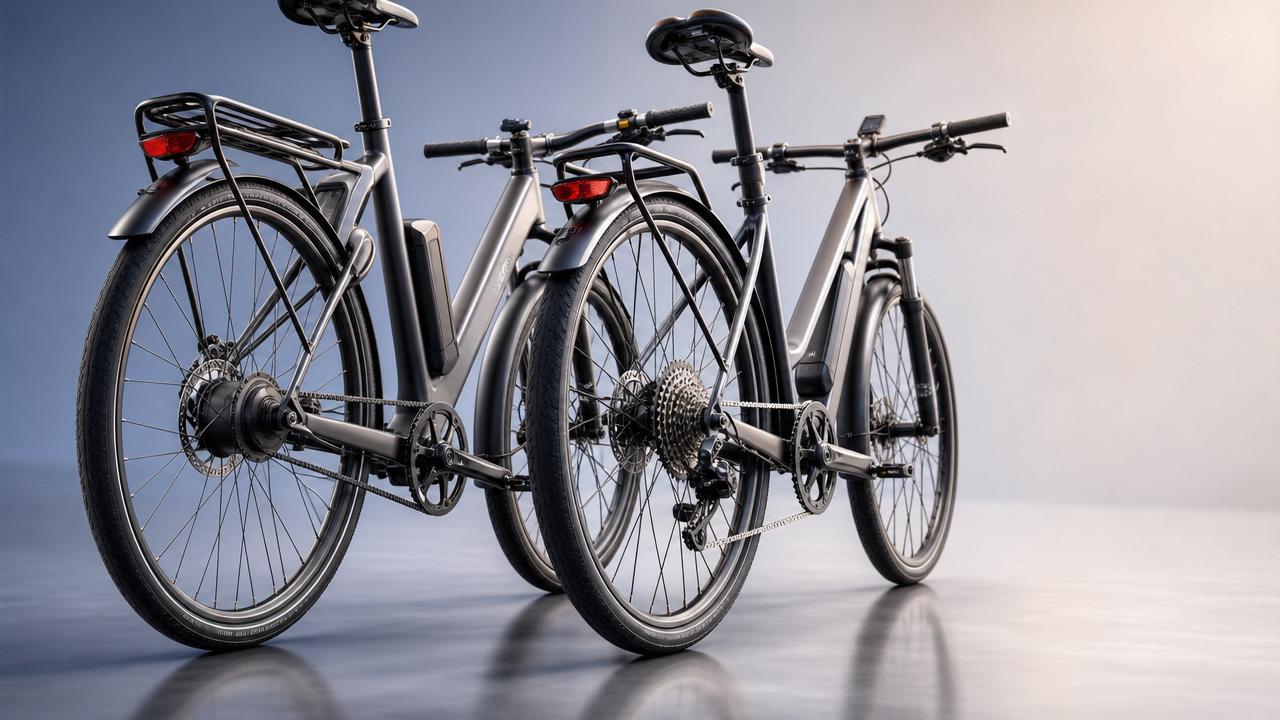
Choosing the right bike transmission can shape comfort, efficiency, maintenance needs, and long-term riding value. In this guide, ACMD examines the real-world trade-offs between hub gears and derailleur systems, helping riders and operators understand how each setup performs across urban commuting, e-bikes, demanding terrain, and precision shifting scenarios.
What matters most when comparing a bike transmission?
For most users, a bike transmission is not just a drivetrain component. It affects cadence control, start-stop convenience, exposure to dirt, service intervals, total vehicle weight, and how confidently the bike handles real traffic or changing gradients.
The hub vs derailleur decision becomes more important in today’s micro-mobility market, where city bikes, cargo e-bikes, trekking models, and sport-focused machines serve very different rider profiles. ACMD tracks this shift closely because transmission design now intersects with electrification, lightweight materials, and digital shifting logic.
- Urban riders often prioritize low maintenance, clean operation, and dependable shifting in rain or dust.
- Performance riders usually care more about gear range, lower rotating weight, and fast ratio changes under variable load.
- Fleet operators and e-bike users may focus on uptime, replacement costs, training simplicity, and compatibility with motor torque.
That is why there is no universal winner. The best bike transmission is the one that fits the duty cycle, terrain, maintenance culture, and budget reality of the rider or operating team.
Hub gears and derailleurs solve different problems
A hub gear places the gearing mechanism inside the rear hub shell. A derailleur system shifts the chain across external sprockets and chainrings. Both convert pedaling force into usable wheel torque, but they do so with different strengths and compromises.
Hub gear vs derailleur: which bike transmission fits your riding scenario?
The table below gives a practical comparison for users making a bike transmission decision based on daily use rather than marketing language.
In simple terms, hub gears reward convenience and protection, while derailleurs reward adaptability and performance tuning. Users should compare not just gear count, but also stopping behavior, cleaning time, and the cost of keeping the bike transmission in ideal condition.
Best fit by application scenario
- City commuting: hub gears are often preferred because they stay cleaner, shift well in stop-and-go use, and support a calmer ownership experience.
- Fitness and recreational road riding: derailleurs remain attractive because they offer broader setup flexibility and lighter, more responsive shifting behavior.
- Mixed-terrain touring: the answer depends on route and support. Remote travel may favor robust simplicity, while steep and varied terrain often favors wide-range derailleur gearing.
- Cargo and utility e-bikes: hub gears can work well where frequent stops, enclosed drivetrains, and reduced service intervention matter.
How do technical performance and ride feel differ?
A bike transmission should be judged by how it behaves under load, not only by brochure claims. Real-world feel comes from ratio progression, shift timing, chainline, drivetrain drag, and how the system responds when the rider makes a mistake.
Cadence control and shift logic
Derailleur systems usually give riders more closely spaced ratios. This helps maintain an efficient cadence during climbing, acceleration, or headwind riding. Sport riders and operators managing performance-oriented fleets often value this precision because it reduces the need to over-pedal or grind.
Hub gears tend to feel more discrete. Some riders accept larger jumps because the transmission is protected and reliable. In commuting, those ratio gaps are often less important than the ability to downshift while stationary before the light turns green.
Efficiency, drag, and load handling
A clean and well-adjusted derailleur bike transmission can be highly efficient. However, contamination, poor indexing, bent hangers, or worn chains reduce that advantage quickly. External drivetrains perform best when the owner accepts ongoing care as part of normal operation.
Hub systems trade some service simplicity for internal mechanical complexity. Their sealed design protects against road grime, yet certain internal ratios may feel less direct under hard efforts. For many utility riders, that is an acceptable compromise because reliability matters more than extracting every watt.
Weight distribution and chassis behavior
A rear hub gear concentrates mass at the wheel, which can slightly alter handling and wheel service. On a lightweight or highly responsive bike, some riders notice this more. On an urban platform or a loaded e-bike, the effect may be less important than reduced maintenance.
ACMD’s broader view of carbon frames, e-bike architecture, and precision drivetrains shows why system matching matters. The same bike transmission can feel very different depending on frame stiffness, tire volume, motor assistance, and intended duty cycle.
Which bike transmission is better for e-bikes and urban micro-mobility?
E-bikes change the transmission equation because motor torque increases drivetrain stress. Stop frequency, rider skill, and fleet service capacity also become more important. This is where scenario-based selection matters more than personal preference.
The table below focuses on selection points frequently discussed by commuting users, fleet buyers, and operators integrating a bike transmission into urban mobility platforms.
For e-bikes, the key issue is not just whether a system shifts smoothly. It is whether the bike transmission remains predictable under torque, frequent starts, and riders with inconsistent pedaling technique. That is why urban mobility platforms often value robustness and service simplicity over peak drivetrain efficiency.
Questions operators should ask before choosing
- Will the bike be used mainly in flat urban traffic, rolling suburbs, or steep mixed terrain?
- Can the user or service team maintain chain wear, indexing, and cleaning on a routine schedule?
- Does the application involve novice riders who may stop in the wrong gear or shift under poor timing?
- Is lower total system mass more important than reduced maintenance intervention?
- Will the bike transmission be paired with belt drive preferences, enclosed chain cases, or specific frame designs?
Procurement guide: what should users and operators check before buying?
Many poor purchasing decisions come from comparing only gear numbers or initial price. A sound bike transmission assessment should include service capability, expected rider behavior, spare parts access, and the environment where the bike will actually work.
A practical selection checklist
- Define the route profile. Flat city roads and severe elevation changes do not require the same gear strategy.
- Estimate annual mileage. Higher usage amplifies chain wear, adjustment demand, and total cost of ownership differences.
- Review service resources. If regular tuning is unlikely, a more protected setup may reduce downtime.
- Check wheel and frame compatibility. Some solutions affect dropout design, wheel removal steps, and accessory integration.
- Consider weather exposure. Rain, winter grit, and dust quickly expose weak maintenance routines.
- Balance price against operating cost. A cheaper purchase can become more expensive through replacement parts and labor.
Common buying mistakes
One common mistake is assuming that more gears always mean a better bike transmission. In practice, usable ratio spread and shift quality matter more than headline counts. Another mistake is choosing a high-performance derailleur system for riders who rarely maintain their bikes, then being disappointed by noise, poor indexing, or early wear.
The opposite mistake also happens. Some users choose a hub system for demanding, mountainous riding without checking whether the available ratio range and gear spacing match their cadence expectations. Comfort and efficiency can suffer if the setup cannot support the terrain.
Cost, maintenance, and long-term value: where do the trade-offs really sit?
Initial purchase price is only one part of transmission economics. Over time, cleaning frequency, chain wear, sprocket replacement, tuning labor, wheel service time, and operational downtime define the true value of a bike transmission.
Hub gears often reduce daily attention. That can translate into practical savings for commuters, rental fleets, and utility riders who value predictable operation. Derailleur systems may have lower entry costs in many segments, but they usually demand more frequent intervention to stay at their best.
- If labor is expensive or maintenance discipline is weak, low-intervention systems often gain economic appeal.
- If performance and low weight are business-critical or experience-critical, derailleur-based solutions may justify their upkeep.
- If resale value matters, buyers should consider how familiar local service networks are with each transmission type.
From ACMD’s industry perspective, the smartest choice is rarely the one with the lowest invoice today. It is the transmission architecture that remains appropriate after thousands of kilometers, repeated weather exposure, and changing rider expectations.
FAQ: real questions users ask about bike transmission choices
Is a hub gear bike transmission always better for commuting?
Not always, but it is often a strong option for urban commuting. The ability to shift while stopped, combined with reduced exposure to contamination, makes it practical in traffic-heavy routes. However, riders with long climbs or strong preference for fine cadence control may still prefer a derailleur setup.
Does a derailleur bike transmission wear out faster?
It can wear faster if neglected, especially in wet or dirty environments. The open drivetrain design means chain cleaning, lubrication, and alignment matter a lot. With disciplined maintenance, derailleur systems can remain precise and efficient for a long service life.
Which option is easier for inexperienced riders?
In many stop-and-go situations, hub gears are easier because riders can recover from stopping in the wrong gear. That convenience reduces frustration and can improve confidence for new users or occasional operators.
What should buyers check for e-bike transmission compatibility?
Check torque demands, expected shifting load, service intervals, and intended route profile. The right bike transmission for an e-bike should be evaluated together with motor output, user skill, and maintenance capacity. A system that works well on a non-assisted commuter may not be ideal once higher torque and heavier usage enter the picture.
Why consult ACMD before finalizing your transmission decision?
ACMD connects drivetrain understanding with the broader realities of urban micro-mobility, e-bike engineering, lightweight frame strategy, and shifting technology evolution. That matters when a bike transmission decision affects not only ride feel, but also fleet uptime, component pairing, and long-term operating logic.
If you are comparing hub and derailleur solutions, ACMD can help you clarify application parameters, gear range priorities, maintenance expectations, frame and wheel integration concerns, and the likely trade-offs for commuting, e-bike, sport, or utility use.
- Ask about parameter confirmation for route profile, rider load, and torque environment.
- Discuss product selection logic for commuter bikes, cargo e-bikes, and mixed-terrain platforms.
- Review delivery timing, replacement planning, and service assumptions before procurement.
- Explore custom solution direction when drivetrain, frame material, and mobility use case need to be matched carefully.
- Clarify certification and compliance expectations where target markets require specific safety or market-entry documentation.
- Request sample evaluation and quotation communication based on actual use conditions rather than generic catalog comparisons.
A better bike transmission choice starts with better questions. If you want a selection process grounded in real riding conditions, mechanical logic, and micro-mobility strategy, ACMD is positioned to support that decision with focused, scenario-based insight.
Related News