
Bike Transmission Options: Maintenance Cost Comparison

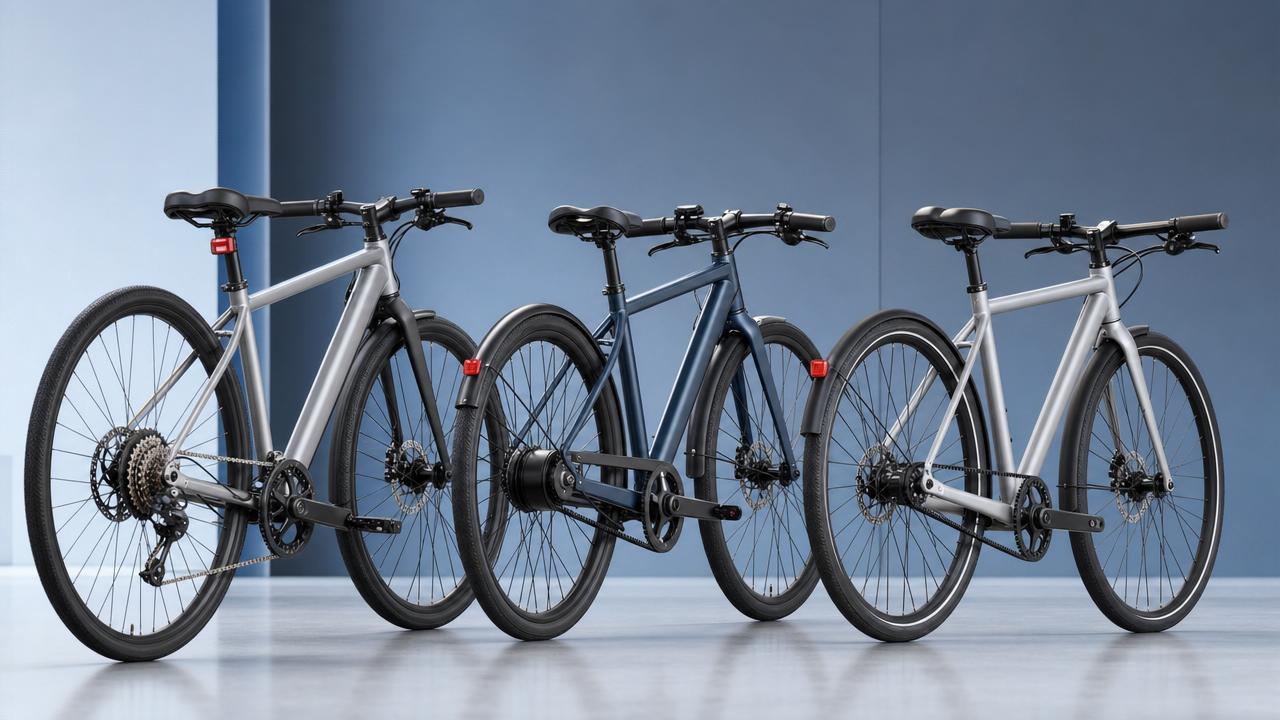
For procurement teams evaluating bike transmission options, maintenance cost is more than a service line. It shapes lifecycle value, warranty risk, uptime, and rider satisfaction across commuter, sport, and fleet use.
This guide compares the real upkeep demands of major systems. It focuses on derailleur drivetrains, internal gear hubs, belt-drive combinations, single-speed layouts, and electronic shifting configurations.
Why a Checklist Matters in Bike Transmission Cost Analysis
A headline purchase price rarely reflects the true cost of a bike transmission. Service intervals, wear-part pricing, contamination sensitivity, and technician skill all change the total maintenance burden.
A checklist approach prevents underestimating recurring costs. It also makes cross-category comparison easier when products serve urban micro-mobility, premium bicycles, rental fleets, or mixed-terrain performance programs.
Core Checklist for Comparing Bike Transmission Maintenance Costs
- Map the wear path first. Track chain, cassette, chainring, pulley, sprocket, belt, and bearing replacement cycles before comparing any bike transmission purchase price.
- Measure contamination exposure. Wet streets, dust, salted roads, and off-road grit sharply increase cleaning frequency, corrosion risk, and drivetrain wear rates.
- Check adjustment complexity. Some systems need frequent indexing, cable tension resets, derailleur alignment, or firmware updates, while others run longer with minimal intervention.
- Compare consumable availability. A low-cost bike transmission becomes expensive when chains, belts, cogs, hub parts, or batteries face long lead times.
- Review labor skill requirements. Internal hubs, electronic shifting, and high-speed setups often demand trained service support, increasing workshop cost per unit.
- Calculate downtime impact. For fleets and shared mobility, one extra day awaiting parts or specialist repair can outweigh modest savings in component price.
- Audit compatibility limits. Proprietary freehubs, software ecosystems, dropout standards, and frame interfaces may lock future service into narrower supplier channels.
- Validate durability claims with usage data. Marketing language matters less than maintenance records under commuting loads, cargo duty cycles, and aggressive shifting behavior.
Maintenance Cost Comparison by Bike Transmission Type
1. Derailleur Drivetrains
A derailleur-based bike transmission usually offers the lowest initial cost and the widest gearing range. It also benefits from broad parts availability across entry, mid, and premium segments.
Maintenance costs rise with exposure and gear count. Chains wear faster under poor lubrication, cassettes become expensive at higher speeds, and alignment issues can create recurring service visits.
For value-focused programs, mechanical derailleur systems remain cost-efficient when service networks are mature. They are less attractive where dirt, misuse, and low-maintenance expectations dominate.
2. Internal Gear Hubs
An internal hub bike transmission protects gears inside a sealed shell. That sharply reduces exposure to mud, rain, and impact damage compared with external drivetrains.
Routine maintenance is usually lower, especially in city use. However, repair events can be more expensive because hub servicing, oil changes, or internal part replacement require higher expertise.
This option often works well when predictable uptime matters more than absolute component cost. It performs especially well in all-weather commuting and institutional bike fleets.
3. Belt Drive with Internal Hub
A belt-drive bike transmission paired with an internal hub usually delivers the cleanest and lowest-routine-maintenance package. No chain lubrication means less mess and fewer corrosion issues.
Long-term cost can still vary. Belts last well, but frame compatibility is limited, sprocket choices are narrower, and replacement parts may cost more than standard chain components.
When service simplicity and rider cleanliness matter, this setup often provides the strongest lifecycle case. It is frequently favored in premium urban mobility products.
4. Single-Speed and Fixed Gear
A single-speed bike transmission has the fewest moving parts. Fewer sprockets, no derailleur, and simple chain lines reduce adjustment needs and spare-part complexity.
Maintenance cost is generally the lowest of all mainstream formats. The tradeoff is limited versatility, which can shorten user satisfaction in hilly regions or mixed riding conditions.
This solution suits flat urban routes, budget fleets, and low-complexity programs. It is less suitable when broad rider fitness levels require easier cadence management.
5. Electronic Shifting Systems
Electronic shifting improves shift precision and reduces cable-related adjustment. In a performance-focused bike transmission, that can lower tuning frequency and improve consistency under load.
Maintenance savings are not automatic. Batteries, chargers, firmware management, crash replacement costs, and proprietary parts can raise the cost of ownership significantly.
The system makes sense where performance positioning and premium pricing offset higher service complexity. It is rarely the cheapest option for rough urban fleet duty.
Application Notes by Use Case
Urban Commuting
For daily commuting, a bike transmission faces weather, stop-start traffic, and infrequent owner servicing. Internal hubs and belt systems usually outperform exposed derailleur layouts in real maintenance stability.
Where budget pressure is strong, simple derailleur or single-speed systems remain viable. The key is easy access to standard chains, cassettes, and local repair support.
Performance Cycling
In road, gravel, and mountain segments, performance usually prioritizes weight, range, and fast shifting. That keeps derailleur-based bike transmission systems dominant despite higher wear rates.
Maintenance budgets should include chain monitoring, cassette rotation strategy, and crash vulnerability. Electronic systems add precision, but they also add replacement expense.
Commercial and Shared Fleets
Fleet economics favor predictable servicing over enthusiast-grade performance. A sealed bike transmission often reduces workshop burden, rider misuse sensitivity, and contamination-related failures.
Downtime, not only part price, should drive selection. A robust hub or single-speed platform can outperform cheaper derailleur systems when bikes operate continuously in public use.
Commonly Overlooked Cost Drivers and Risks
Hidden frame dependency: Some bike transmission systems require specific dropout formats, split frames, or cable routing paths. Retrofitting later can be more expensive than expected.
Uneven global parts support: A technically impressive drivetrain may create service problems if spare cogs, belts, batteries, or hub internals are unavailable in target regions.
Improper lubrication practice: Over-lubed chains attract grit, while neglected chains accelerate cassette wear. Basic maintenance errors can distort any cost comparison.
Training gaps: Workshop familiarity matters. A capable bike transmission can become an expensive liability when technicians lack the correct tools or setup knowledge.
Warranty misalignment: High-end systems may carry strict usage or service conditions. Failure to match those conditions with actual operating environments can raise claim rates.
Practical Execution Recommendations
- Build a 24-month cost model using local labor rates, expected annual mileage, cleaning frequency, and average wear-part cycles for each bike transmission option.
- Run pilot units in wet and dry conditions before standardizing. Real contamination data will reveal whether theoretical maintenance savings hold in operation.
- Standardize spare-part kits early. Stock the fastest-wearing items first, then confirm lead times for high-value components with lower but critical replacement frequency.
- Match transmission complexity to user behavior. Low-attention riders usually benefit from simpler, sealed, or low-adjustment systems rather than performance-first layouts.
Conclusion and Next-Step Action
The best bike transmission is not the one with the lowest sticker price. It is the one that balances service frequency, parts access, labor demands, and uptime in the intended application.
As a rule, single-speed systems minimize maintenance, derailleur systems maximize flexibility, internal hubs improve weather resistance, and belt-drive hub combinations often deliver the cleanest lifecycle profile.
Start with a checklist, test with real usage data, and compare total operating cost over time. That process will identify the bike transmission solution with the strongest long-term value.
Related News