Micro-Mobility Trends Reshaping Dealer Demand in 2026

As micro-mobility trends accelerate toward 2026, dealer demand is being redrawn by technology, regulation, and changing urban travel behavior.
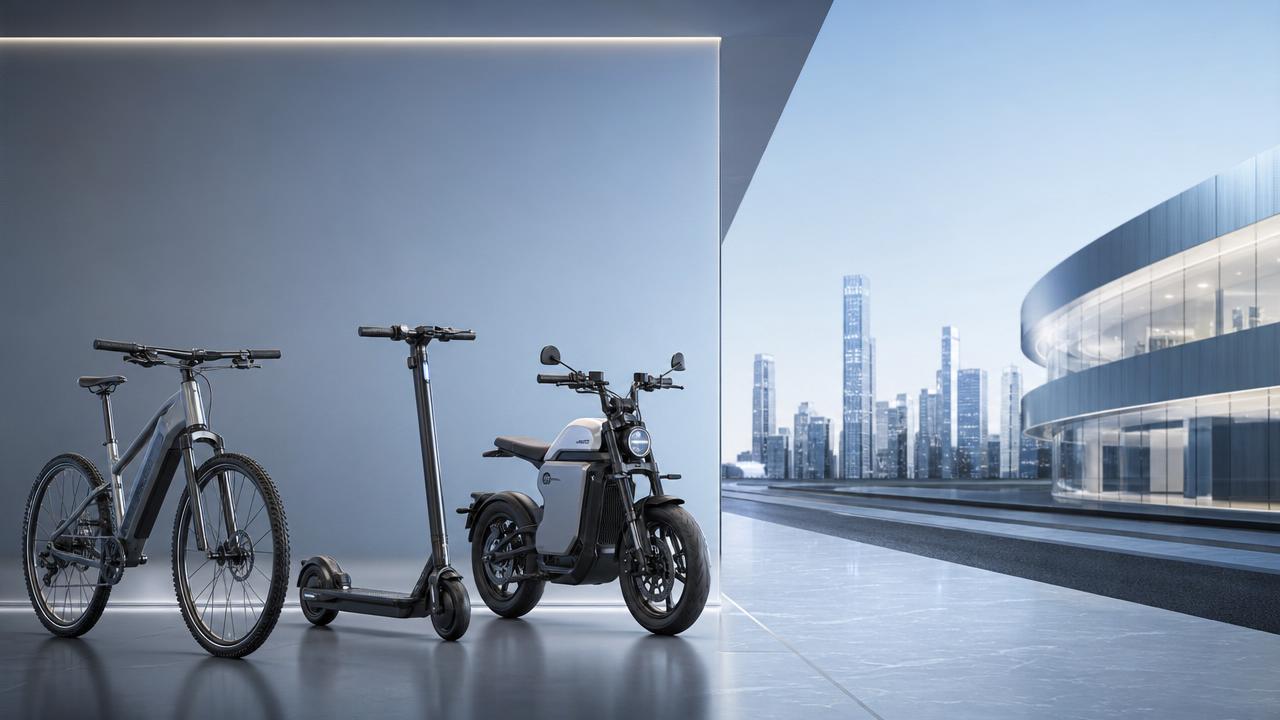
E-bikes, smart e-scooters, high-speed e-motorcycles, and lightweight components are no longer niche categories.
They are becoming core growth engines across commuting, recreation, delivery, and premium mobility segments.
For ACMD, these micro-mobility trends reveal a wider shift in how urban transport systems, product design, and channel strategy now intersect.
The result is a market where demand planning, technical understanding, and policy awareness must move together.
Micro-mobility trends in 2026: a practical definition
Micro-mobility trends describe the evolving demand for compact, efficient, mostly electric vehicles used for short and medium urban journeys.
In 2026, the term also includes component innovation, connected systems, and lightweight materials shaping performance and ownership value.
This means the trend is not limited to finished vehicles.
It also covers battery systems, drivetrain precision, smart control software, carbon fiber structures, and service ecosystems.
ACMD tracks these signals because market demand increasingly follows integrated technical capability rather than price alone.
Products that combine efficiency, compliance, durability, and smart user experience are gaining stronger channel momentum.
Industry background shaping dealer demand
Several structural forces explain why micro-mobility trends are reshaping demand patterns across the broader mobility sector.
- Urban congestion is pushing consumers toward lighter, faster, and easier point-to-point transport.
- Low-carbon policy support is expanding subsidies, access rights, and infrastructure for electric two-wheel platforms.
- Battery improvements are reducing range anxiety while increasing practical use in daily commuting and light logistics.
- Smart connectivity is turning vehicles into software-enabled assets with diagnostics, geofencing, and anti-theft functions.
- Premium consumers are rewarding lightweight design, electronic shifting, and advanced materials with higher willingness to pay.
These forces make micro-mobility trends relevant far beyond one product category.
They influence inventory depth, aftersales preparation, accessory selection, and regional product mix decisions.
Key market signals for 2026
Where micro-mobility trends are moving fastest
Not all categories are evolving at the same speed.
The strongest shifts are appearing where convenience, performance, and policy support align.
Electric bicycles
E-bikes remain central to micro-mobility trends because they serve commuting, leisure, and fitness with broad demographic appeal.
Demand is moving toward integrated batteries, better torque sensors, lighter frames, and more refined electronic drivetrains.
Urban buyers increasingly value reliability, easy charging, and practical cargo compatibility.
Smart e-scooters
Smart e-scooters are gaining ground in dense cities where storage, portability, and first-mile connectivity matter most.
IoT integration, geofencing, app-based controls, and improved braking systems are becoming standard demand drivers.
Durability and compliance now matter more than novelty.
High-speed e-motorcycles
This category is rising as battery performance and swapping models improve.
Micro-mobility trends here are linked to premium commuting, commercial fleet use, and ICE replacement in regulated cities.
Thermal management, torque delivery, and charging ecosystem compatibility shape buying confidence.
Performance components and lightweight materials
Demand is also shifting toward derailleur systems, electronic shifting, carbon fiber frames, and precision transmission parts.
These products support both premium bikes and technology-led brand positioning.
They also improve margins when matched with service capability.
Business value behind the trend shift
The commercial importance of micro-mobility trends lies in their effect on product mix, turnover speed, and service revenue.
A demand shift toward higher-value, connected, and lightweight products changes the economics of the channel.
- Higher average selling prices become more achievable in premium electric and performance segments.
- Aftersales opportunities expand through diagnostics, firmware updates, batteries, and drivetrain tuning.
- Accessory attachment increases with helmets, locks, cargo systems, and smart visibility products.
- Seasonal risk can be reduced through diversified category coverage.
ACMD’s market view suggests that the winners in 2026 will be those aligning demand signals with technical knowledge.
Micro-mobility trends reward informed selection, not broad undifferentiated stocking.
Typical demand scenarios across the market
Different scenarios generate different product priorities.
Understanding these distinctions helps translate micro-mobility trends into practical assortment decisions.
Practical guidance for responding to micro-mobility trends
A useful response starts with sharper market segmentation.
Broad assumptions are less effective than city-specific and use-case-specific planning.
1. Track regulation before expanding a category
Micro-mobility trends are heavily influenced by speed limits, road access, battery transport rules, and safety certification requirements.
Policy timing can accelerate or limit local demand very quickly.
2. Build around serviceable technology
Connected products and advanced drivetrains sell better when support capability exists.
Firmware tools, battery checks, and component diagnostics help convert complexity into value.
3. Balance premium innovation with practical volume
Carbon fiber frames and wireless shifting create strong brand differentiation.
However, micro-mobility trends also require dependable mid-range products that move consistently.
4. Use data to refine inventory decisions
Sell-through speed, accessory attachment, repair frequency, and seasonal behavior reveal which categories deserve deeper commitment.
This is especially important in fast-changing electric segments.
5. Watch material and drivetrain innovation closely
ACMD highlights how composite materials and precision transmission systems increasingly influence demand, especially in premium mobility.
Technical storytelling supports stronger commercial positioning.
Strategic next steps for 2026 planning
The most important lesson from current micro-mobility trends is that demand is becoming more specialized, more technical, and more policy-sensitive.
Growth will come from categories that combine urban relevance, energy efficiency, and measurable user value.
For 2026 planning, start by mapping local demand scenarios, reviewing compliance exposure, and identifying where service capability supports premium products.
Then align inventory and partnership decisions with the micro-mobility trends showing durable momentum, not temporary excitement.
ACMD’s intelligence framework points to one clear conclusion.
The future of dealer demand belongs to lighter, smarter, cleaner, and more precisely engineered mobility systems.
Following micro-mobility trends with discipline will make that transition more profitable and more resilient.
Related News