
Urban Cycling Trends Driving Foldable Commuter Demand

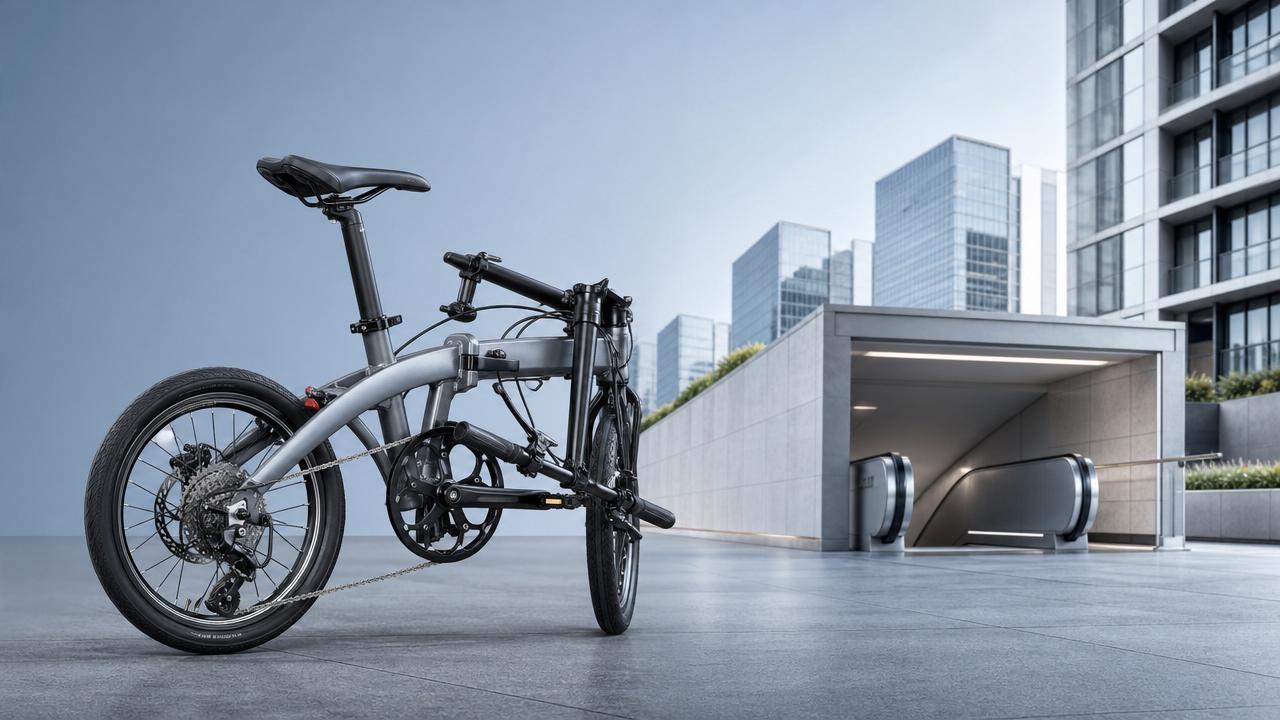
Urban cycling is changing how cities evaluate daily movement, space efficiency, and commuter convenience. Foldable bikes now answer practical needs that standard bicycles often cannot solve in dense urban environments.
As rail systems grow busier and parking space becomes scarcer, urban cycling increasingly depends on portability, storage flexibility, and easy integration with public transport. This shift is accelerating foldable commuter demand across many markets.
For the broader mobility sector, this is more than a product trend. It reflects changing expectations around low-carbon travel, compact living, and multi-modal commuting behavior in modern cities.
Urban Cycling and the Rise of Foldable Commuters
Urban cycling refers to bicycle use within city environments for commuting, errands, short-distance trips, and intermodal travel. It emphasizes efficiency, safety, practicality, and compatibility with urban infrastructure.
Foldable commuter bikes are designed to collapse into smaller forms. This allows easier carrying, indoor storage, office placement, and transport on buses, trains, and shared mobility routes.
Unlike traditional bikes, foldable models directly address the constraints of apartment living, limited parking, theft risk, and first-mile or last-mile connections. These advantages fit the realities behind current urban cycling growth.
In many cities, urban cycling demand no longer depends only on bike lanes. It also depends on whether riders can combine cycling with elevators, transit gates, office towers, and compact homes.
Key characteristics of foldable commuter demand
- Compact dimensions for easy storage
- Quick folding systems for smooth transfer points
- Lightweight frames for carrying upstairs or onboard
- Reliable drivetrains for daily commuting use
- Clean styling suited to urban cycling lifestyles
Market Signals Shaping Current Attention
Several market forces are pushing urban cycling toward foldable solutions. These signals come from infrastructure, consumer behavior, real estate patterns, and low-carbon policy direction.
Urban cycling is also influenced by product innovation. Better hinges, lighter alloys, carbon components, compact transmissions, and improved wheel geometry have upgraded foldable bike performance.
This matters because older foldable bikes were often seen as compromises. Newer designs reduce that perception by offering stronger ride stability, faster folding, and more refined commuter ergonomics.
Why cities are becoming favorable to foldable formats
- Transit operators increasingly accept compact personal mobility devices
- Office buildings prefer cleaner, indoor-storable transport options
- Urban cycling routes often start or end far from home or work
- Consumers value products that reduce dependency on car ownership
Business Value Across the Mobility Chain
The rise of urban cycling creates broader value than unit sales alone. Foldable commuters connect bicycle retail, urban mobility planning, accessory ecosystems, and premium lightweight material development.
In the ACMD perspective, foldable demand intersects with precision drivetrain engineering, lightweight frame research, and the strategic expansion of low-carbon transport portfolios.
Urban cycling products now compete on convenience as much as speed. This shifts product planning toward folding efficiency, carry weight, maintenance simplicity, and integration with digital commuting habits.
Commercially, foldable models often support higher average selling prices when they combine strong materials, dependable geometry, and commuter-focused component choices. That creates room for differentiated portfolio positioning.
Where value is created
- Premium compact mobility for urban cycling users
- Accessory attachment sales including bags, lights, and locks
- Lightweight material upgrades such as aluminum and carbon parts
- Service and replacement demand tied to daily commuter usage
- Cross-category opportunities with e-bikes and smart mobility solutions
Urban cycling also rewards brands that communicate utility clearly. Buyers often evaluate foldable bikes based on carrying comfort, folded footprint, and real commuting convenience rather than performance claims alone.
Typical Use Scenarios and Product Segments
Foldable commuter demand does not come from one single rider profile. Urban cycling adoption spans several practical scenarios, each with different expectations for size, ride quality, and portability.
Urban cycling users in dense districts often prioritize folded dimensions first. Those in longer commutes may care more about wheel size, gearing smoothness, and comfort over rough pavement.
This means assortment strategy should avoid treating all foldable bikes as one category. Segment clarity improves relevance, pricing logic, and customer satisfaction across urban cycling channels.
Important segment distinctions
- Ultra-compact models for short transit-linked trips
- Mid-size commuters for better comfort and control
- Lightweight premium versions using advanced materials
- Electric foldable commuters for longer city coverage
Practical Considerations for Market Positioning
Urban cycling demand can be attractive, but product selection requires discipline. A foldable commuter must perform well both when folded and when ridden in daily city conditions.
Key checks should include hinge durability, frame stiffness, wheel alignment, latch reliability, and spare parts consistency. These details strongly influence long-term user trust.
Weight claims should also be assessed carefully. A lighter product helps urban cycling adoption, but poor rigidity or unstable handling can quickly damage market reputation.
Material choices matter here. Aluminum remains practical for cost and durability, while carbon elements may support premium positioning when engineered for strength, portability, and comfort.
Recommended evaluation points
- Measure folded size against transit and storage realities
- Test carrying comfort over stairs and station transfers
- Review drivetrain resilience in stop-start urban cycling use
- Verify maintenance simplicity and parts replacement access
- Match model tiers to local price sensitivity and mobility habits
It is also useful to track local rules. Some transit systems allow folded bikes freely, while others set time, size, or bagging restrictions that influence product suitability.
Next-Step Direction for Urban Cycling Portfolios
The expansion of urban cycling is making foldable commuters a strategic category, not a side offering. Demand is being shaped by space efficiency, mobility flexibility, and decarbonized travel preferences.
A strong next step is to review city-specific commuting patterns, transit behavior, storage constraints, and price bands. These inputs help define the most relevant foldable lineup.
Urban cycling portfolios should balance portability, ride quality, and component reliability. The best-performing options are those that solve real commuting friction without creating new compromises.
Within the evolving mobility landscape, foldable bikes represent a precise response to how cities move today. That makes urban cycling one of the clearest drivers of future compact commuter demand.
Related News