
Geofencing Technology: What Reduces Fleet Misuse?

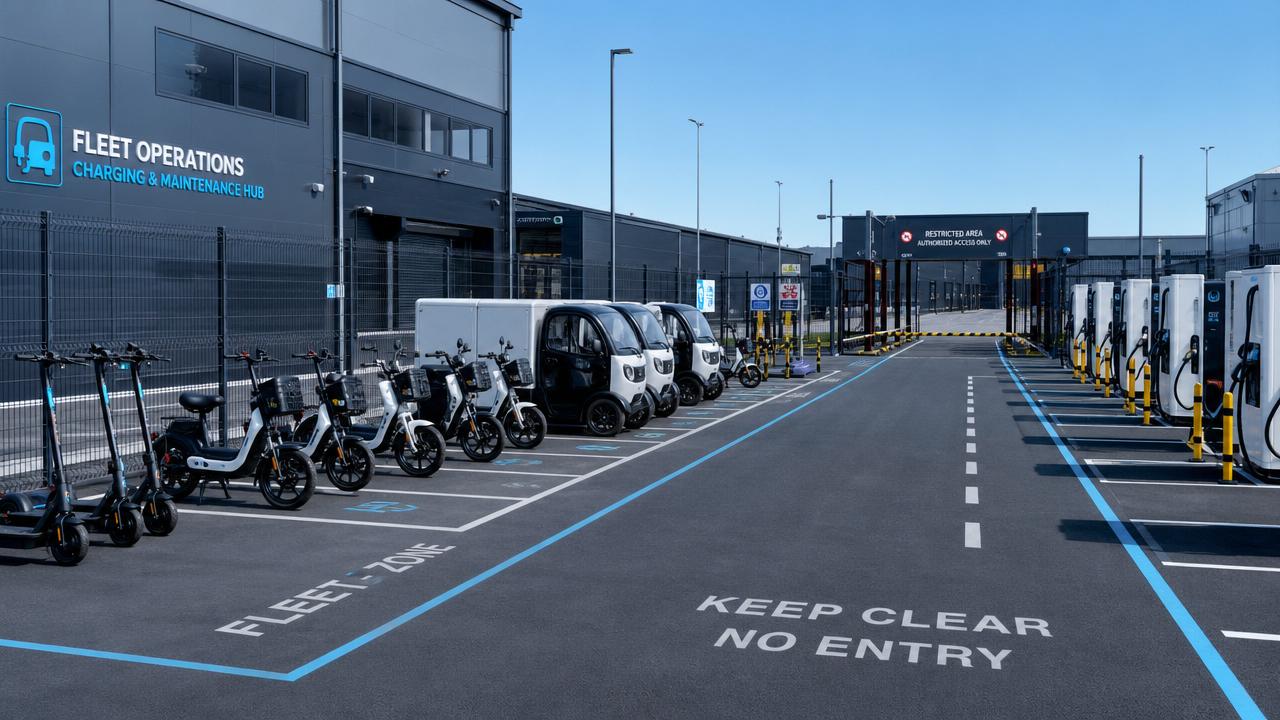
For quality control and safety managers, geofencing technology is no longer a niche tracking feature. It is becoming a practical control layer for fleet discipline, asset protection, and safer daily operations.
By defining virtual boundaries around service zones, parking areas, depots, and no-go sites, geofencing technology helps detect misuse early. It also supports route compliance, charging control, and stronger accountability.
This matters across mixed fleets, including e-bikes, smart e-scooters, service vans, and light delivery vehicles. In mobility operations, reducing misuse is now tied directly to cost, uptime, and public trust.
Why geofencing technology is moving from optional tool to operating standard
Fleet misuse used to be treated as a supervision problem. Today, it is a data and control problem. That shift is changing how organizations manage mobile assets.
Urban mobility networks are denser, faster, and more regulated. Vehicles move across shared roads, private sites, charging hubs, and restricted districts within the same working day.
At the same time, operating models are evolving. Shared mobility, technician dispatch, rental services, and mixed electric fleets require better visibility than periodic manual checks can provide.
That is where geofencing technology stands out. It connects location data with operating rules, turning passive GPS information into automated actions and timely alerts.
For sectors followed by ACMD, this is especially relevant. Smart e-scooters and e-bikes already rely on geofencing technology to control parking, speed, and service areas.
The same logic now extends to broader fleet management. What began in micro-mobility is influencing service, logistics, maintenance, and low-carbon transport strategies.
The clearest trend signal: misuse is being redefined as preventable behavior
The strongest trend is simple. Organizations no longer accept misuse as an unavoidable side effect of mobile work.
Unauthorized detours, off-hours use, risky parking, and operation outside approved zones are increasingly viewed as preventable with geofencing technology and connected telematics.
This shift is supported by several market signals:
- More cities now require stricter control over shared and electric mobility zones.
- Battery assets and lightweight vehicles are costly, making misuse more expensive.
- Insurance and compliance reviews increasingly value event-based location records.
- Real-time visibility tools are becoming easier to deploy across mixed fleets.
- Public expectations around safety and responsible fleet behavior are rising.
As a result, geofencing technology is being used not only to track incidents, but also to shape behavior before incidents happen.
What reduces fleet misuse most: the drivers behind geofencing technology adoption
The growth of geofencing technology is not driven by one factor. It is the result of cost pressure, safety expectations, digital infrastructure, and operational complexity.
In practice, geofencing technology reduces fleet misuse most when location rules are linked to operational policies, not when mapping is used as a passive dashboard feature.
Where geofencing technology creates the strongest control points
Not all use cases deliver equal value. The biggest gains usually appear where misuse is frequent, costly, or hard to verify manually.
1. Service zone compliance
Geofencing technology ensures vehicles stay within approved operating territories. This is critical for shared scooters, rental e-bikes, and distributed field fleets.
2. Depot and charging area protection
Virtual perimeters around depots and battery stations reveal unauthorized departures, missed returns, and abnormal after-hours movement.
3. Restricted location monitoring
Construction zones, airport areas, campuses, and safety-sensitive industrial sites benefit from instant alerts when vehicles enter prohibited sections.
4. Route deviation control
When geofencing technology is layered along planned corridors, unexpected detours become visible early instead of being discovered after delivery or service delays.
5. Parking discipline
Improper parking creates clutter, complaints, and asset loss risk. Geofencing technology supports approved end-trip zones and organized repositioning.
How the impact spreads across operations, safety, and asset strategy
The effect of geofencing technology is broader than misuse reduction alone. Once virtual boundaries are trusted, multiple business functions start using the same location intelligence.
Operations teams gain better dispatch discipline. Safety teams gain faster exception alerts. Finance teams gain clearer evidence around asset usage and avoidable losses.
For electric mobility, the value is even higher. Battery range, charging cycles, and service uptime are all affected by unauthorized movement and unmanaged route behavior.
In ACMD-related segments, lightweight materials and high-performance components also raise the stakes. A premium e-bike or carbon-frame fleet carries greater exposure per misuse event.
- Lower unauthorized use and theft risk
- Stronger policy enforcement without constant manual oversight
- Better charging and return compliance
- Cleaner audit trails for disputes and compliance checks
- More reliable service quality across operating zones
The next question is not whether to use geofencing technology, but how to use it well
Poor deployment can create alert fatigue, weak adoption, and false confidence. Effective geofencing technology depends on thoughtful rule design and practical operating logic.
Several priorities deserve attention:
- Map the highest-risk misuse scenarios before setting boundaries.
- Define different geofence types for parking, operating, charging, and restricted zones.
- Set alert thresholds that reflect real operating conditions.
- Link geofencing technology with telematics, battery data, and dispatch systems.
- Review exceptions regularly to refine policies and reduce noise.
- Use event records for coaching, compliance evidence, and process improvement.
This is where mature programs differ from basic tracking projects. The goal is not to watch every movement. The goal is to make acceptable movement easier and misuse harder.
A practical decision framework for the next stage of fleet control
A useful way to evaluate geofencing technology is to focus on business outcomes, not software features alone.
When this framework is applied well, geofencing technology becomes a control system for safer mobility, not just a monitoring layer.
What to do next as geofencing technology becomes more central to fleet discipline
The next step is to identify one misuse pattern that creates measurable cost, safety exposure, or service disruption. Then build a geofence rule around that pattern first.
Common starting points include unauthorized depot exits, parking outside approved zones, repeated route deviations, or vehicle use beyond service boundaries.
From there, expand gradually. Measure alert relevance, response time, incident reduction, and compliance gains. That evidence will show where geofencing technology delivers the strongest return.
In a market shaped by connected mobility, lightweight assets, and stricter urban controls, geofencing technology is increasingly one of the clearest ways to reduce fleet misuse with precision.
Related News