
Electric Bike Technology Trends to Watch in 2026

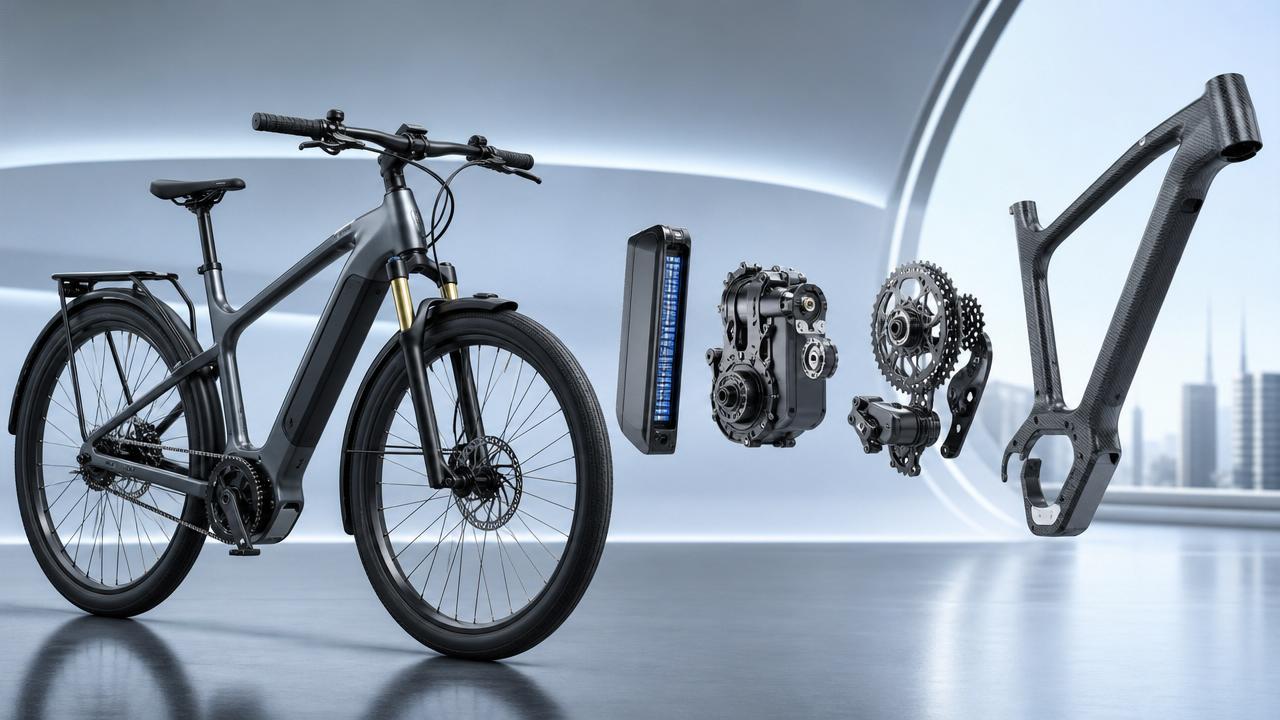
As the urban mobility market accelerates, electric bike technology is moving from a product feature to a strategic capability. In 2026, advances in batteries, motors, software, and materials will shape efficiency, safety, ride quality, and global competitiveness.
For the broader mobility and advanced materials sector, electric bike technology now connects transport policy, consumer behavior, supply chain resilience, and premium engineering. The strongest signals are no longer isolated innovations, but integrated systems that improve performance and lifecycle value.
Electric Bike Technology in Context
At its core, electric bike technology combines human pedaling with electric assist, digital controls, power electronics, and structural design. The goal is not only speed or convenience, but better energy use, safer riding, and adaptable mobility across cities and terrain.
In 2026, the category is expanding beyond commuter bikes. Cargo platforms, urban sport models, gravel e-bikes, and connected fleet systems are driving technical differentiation. This creates pressure for smarter integration between frame, battery, motor, transmission, and software.
The most important shift is architectural. Electric bike technology is becoming a system-of-systems discipline, where materials science, embedded intelligence, and drivetrain efficiency must work together under tighter regulatory and sustainability expectations.
Key Industry Signals Shaping 2026
Several forces are accelerating change across the global market. They influence design roadmaps, sourcing decisions, product segmentation, and after-sales strategy.
These signals show why electric bike technology is now tied to broader strategic intelligence. Product success depends on regulatory fit, digital service readiness, and measurable engineering gains, not simply battery size or motor wattage.
Core Electric Bike Technology Trends to Watch
1. Smarter battery systems and thermal management
Battery innovation remains central to electric bike technology. In 2026, attention will focus on safer cell chemistry, denser packaging, better battery management systems, and more accurate state-of-health monitoring.
Thermal management is becoming a differentiator, especially for cargo use, steep climbing, and high-demand sport riding. Better heat dissipation extends battery life, stabilizes output, and supports stronger warranty confidence.
2. Lightweight structures with performance materials
Advanced frame engineering is redefining electric bike technology. Aerospace-grade carbon fiber, optimized layups, and monocoque construction are reducing weight while maintaining stiffness, comfort, and aerodynamic efficiency.
This matters because every kilogram affects acceleration, handling, and energy consumption. Lightweighting also helps urban riders with carrying, storage, and multi-modal transport integration.
3. More intelligent motor control and power delivery
Motor systems are shifting from raw assistance to predictive support. New control algorithms use torque, cadence, gradient, and rider behavior data to deliver smoother, more natural assistance with less wasted energy.
This branch of electric bike technology improves traction, hill starts, and battery efficiency. It also supports better tuning across commuter, mountain, and cargo segments.
4. Integration with electronic shifting and drivetrain intelligence
Drivetrain innovation is becoming more digital. Wireless electronic shifting, automatic gear logic, and motor-drivetrain coordination can reduce chain stress, optimize cadence, and improve ride smoothness under variable loads.
For premium platforms, electric bike technology increasingly includes synchronized shifting and assist mapping. This creates a more refined ride and helps preserve drivetrain components over time.
5. Connected software, diagnostics, and security
Connectivity is now a key layer of electric bike technology. Mobile apps, cloud dashboards, GPS tracking, remote firmware updates, and predictive maintenance alerts are becoming standard in higher-value products.
Digital security is also rising. Encrypted communications, user authentication, and anti-tamper systems are increasingly important as connected bikes store more data and deliver more functions through software.
Business Value Across the Mobility Ecosystem
The value of electric bike technology extends well beyond the rider interface. It influences product margins, lifecycle services, market entry speed, and brand credibility in performance-driven and sustainability-focused categories.
- Higher system efficiency can increase real-world range without oversized batteries.
- Better diagnostics reduce maintenance uncertainty and improve service planning.
- Lightweight engineering supports premium positioning and better ride dynamics.
- Connected features create recurring value through software and fleet services.
- Compliance-ready battery design lowers risk in international expansion.
For intelligence-driven sectors like advanced mobility, electric bike technology also offers a useful lens into adjacent markets. Battery safety logic, lightweight composites, and embedded controls often transfer across e-scooters, e-motorcycles, and precision drivetrain systems.
Typical Technology Paths by Use Scenario
Not every application needs the same technical stack. The most effective electric bike technology choices depend on route type, payload, maintenance access, and user expectations.
Practical Evaluation Priorities for 2026
When assessing electric bike technology, short-term novelty should not outweigh system reliability. A disciplined review framework helps compare platforms more accurately.
- Verify battery certification, cell sourcing transparency, and thermal protection design.
- Measure real-world efficiency under different loads, slopes, and climates.
- Review software update capability, cybersecurity, and data ownership structure.
- Check drivetrain compatibility with electronic shifting and wear management logic.
- Assess frame material trade-offs between cost, stiffness, repairability, and weight.
- Align technical choices with target regulations in export and domestic markets.
Another priority is interoperability. Electric bike technology works best when components communicate clearly across hardware and software layers. Closed systems may simplify control, but flexible ecosystems can support longer-term adaptability.
Strategic Outlook and Next Steps
By 2026, electric bike technology will be judged less by isolated specifications and more by integrated performance. The winning platforms will combine safe batteries, lightweight structures, intelligent assistance, precise drivetrains, and secure connectivity.
That shift matters across the wider advanced mobility landscape. It connects low-carbon transport goals with precision engineering, digital services, and material innovation in a way few categories can match.
A practical next step is to map current products or investments against the trends above. Identify where electric bike technology already creates measurable value, where system gaps remain, and which technical upgrades best support growth in 2026 and beyond.
For organizations tracking the urban micro-mobility revolution, this is the right time to treat electric bike technology as a strategic intelligence domain, not just a hardware trend. That perspective will support stronger decisions across design, sourcing, compliance, and market positioning.
Related News