
E-Bike Intelligence Trends Shaping Urban Fleets in 2026

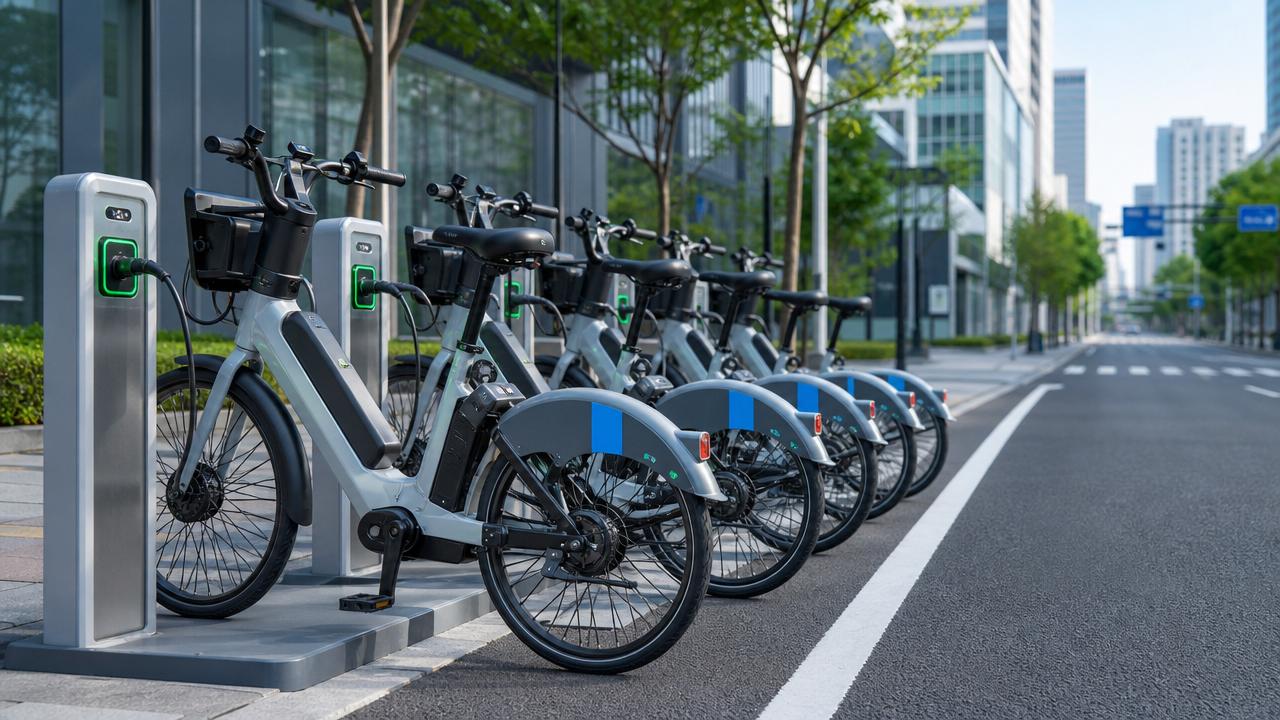
In 2026, e-bike intelligence is becoming a decisive force behind safer, smarter, and more scalable urban fleets. For business decision-making, electrification alone is no longer enough.
The real advantage now comes from connected systems, battery visibility, predictive maintenance, rider behavior data, and fleet-level automation. These capabilities reshape uptime, compliance, total cost, and customer satisfaction.
For ACMD, this shift matters because modern mobility depends on the fusion of lightweight engineering, smart electronics, and strategic intelligence. The next generation of urban fleets will be defined by how well these elements work together.
What does e-bike intelligence actually mean for urban fleets?
E-bike intelligence refers to the digital and electronic systems that turn a powered bicycle into a connected fleet asset, not just a vehicle.
It includes telematics, battery analytics, motor control software, anti-theft tools, geofencing, over-the-air updates, and maintenance diagnostics.
In 2026, intelligent e-bikes are expected to report status continuously, support remote commands, and integrate with fleet management dashboards.
This changes the operating model. Instead of reacting to failures, fleet operators can anticipate issues, balance availability, and reduce manual intervention.
The value is especially high in dense cities, where fleet turnover is fast, parking is constrained, and regulatory oversight is increasing.
- Real-time location and usage visibility
- Battery health forecasting
- Rider safety alerts and incident detection
- Remote immobilization and theft recovery support
- Data-driven route and charging optimization
Why is e-bike intelligence becoming a strategic trend in 2026?
Several market forces are converging. Urban mobility systems are under pressure to cut emissions, improve safety, and serve more trips with less congestion.
At the same time, cities are demanding stronger compliance around speed control, parking behavior, battery safety, and rider accountability.
E-bike intelligence answers these pressures by making fleet operations measurable and controllable at scale.
Another driver is cost. Hardware prices remain important, but operating costs now shape long-term competitiveness more than vehicle purchase price alone.
Connected diagnostics can reduce breakdowns. Smart charging logic can extend battery life. Better utilization data can improve asset rotation across neighborhoods.
The trend also reflects user expectations. Riders increasingly expect app-based access, reliable battery range, transparent pricing, and safe vehicle performance.
For premium mobility intelligence platforms like ACMD, this signals a broader convergence between vehicle engineering and fleet software architecture.
Key 2026 trend signals
- Battery traceability is becoming a compliance requirement
- Predictive maintenance is moving from optional to expected
- Geofencing is becoming more precise and policy-driven
- Fleet dashboards are expanding from reporting to automated decisions
- Vehicle software is increasingly central to performance differentiation
Which intelligent capabilities create the biggest operational value?
Not every smart feature delivers equal value. The most important systems are those that improve uptime, safety, and lifecycle economics.
1. Battery intelligence
Battery management is the core of e-bike intelligence. It affects range reliability, charge cycles, thermal safety, and replacement timing.
Advanced systems track cell imbalance, charge history, temperature exposure, and degradation patterns. This reduces surprise failures and supports safer charging operations.
2. Predictive maintenance
Sensors can detect motor stress, brake wear, drivetrain anomalies, and abnormal vibration. Maintenance teams then intervene before service interruptions spread.
This is especially valuable for urban fleets with frequent starts, stops, curb impacts, and varied rider behavior.
3. Geofencing and dynamic ride control
Smart geofencing now goes beyond simple zone restrictions. It can trigger speed limits, parking rules, access permissions, or route guidance based on local policy.
This function helps reduce conflict with pedestrians and strengthens alignment with city authorities.
4. Remote security and asset recovery
Urban fleets face theft, tampering, and misuse. Intelligent lock systems, tamper alerts, and remote immobilization reduce risk exposure.
5. Rider analytics
Behavioral data can reveal harsh braking, unsafe acceleration, repeated misuse, or route inefficiencies. This supports training, pricing design, and safety policy updates.
How should organizations evaluate e-bike intelligence platforms?
A common mistake is comparing vehicles only by motor power, frame design, or battery size. In 2026, software maturity matters just as much.
The right evaluation framework should balance hardware reliability with data quality, integration depth, and regulatory adaptability.
When assessing e-bike intelligence, it is wise to test how quickly the platform turns raw signals into action.
A platform that collects data but cannot automate work orders, battery rotation, or compliance response will create limited strategic value.
What risks and misconceptions should be avoided?
One misconception is that more sensors always mean better fleet performance. Data overload without decision logic can slow response instead of improving it.
Another risk is underestimating cybersecurity. Connected fleets create attack surfaces through mobile apps, cloud systems, battery firmware, and vehicle control modules.
A third issue is fragmented system design. If battery systems, locks, telematics, and dashboards come from disconnected vendors, maintenance can become difficult.
There is also a budgeting error. Some organizations focus on vehicle acquisition but fail to model software subscriptions, data services, and battery diagnostics support.
Risk checklist for 2026
- Unclear battery safety ownership
- Weak data governance and privacy rules
- No fallback plan for network outages
- Low interoperability across devices and software
- Insufficient KPI tracking after deployment
How can urban fleets prepare for the next phase of e-bike intelligence?
Preparation should begin with a clear operating model, not just a hardware shortlist. Define the outcomes the intelligence layer must improve.
Typical targets include battery lifespan, maintenance turnaround, fleet availability, theft reduction, rider safety events, and policy compliance rates.
Then build a phased roadmap. Start with the highest-impact data streams and connect them to operational decisions.
- Audit current fleet data gaps and failure patterns
- Prioritize battery intelligence and maintenance diagnostics
- Align geofencing with local policy and rider behavior
- Test API and dashboard integration before scaling
- Track ROI through uptime, safety, and lifecycle metrics
For intelligence-driven mobility ecosystems, lightweight design also remains relevant. Efficient frames, durable drivetrains, and thermal stability amplify software value.
That is why ACMD continues to view e-bike intelligence as part of a broader system linking materials science, electronic controls, and urban mobility strategy.
Quick FAQ table: what matters most in e-bike intelligence?
The urban fleet landscape in 2026 will reward systems that combine mechanical reliability with digital responsiveness. That is the real promise of e-bike intelligence.
Organizations that act early can improve resilience, reduce hidden operating costs, and strengthen long-term alignment with city mobility goals.
The next practical step is simple: assess where fleet data already exists, identify where decisions still depend on guesswork, and prioritize the intelligence features that close that gap.