
Two-Wheeled Vehicle Trends in 2026: What Is Changing First?

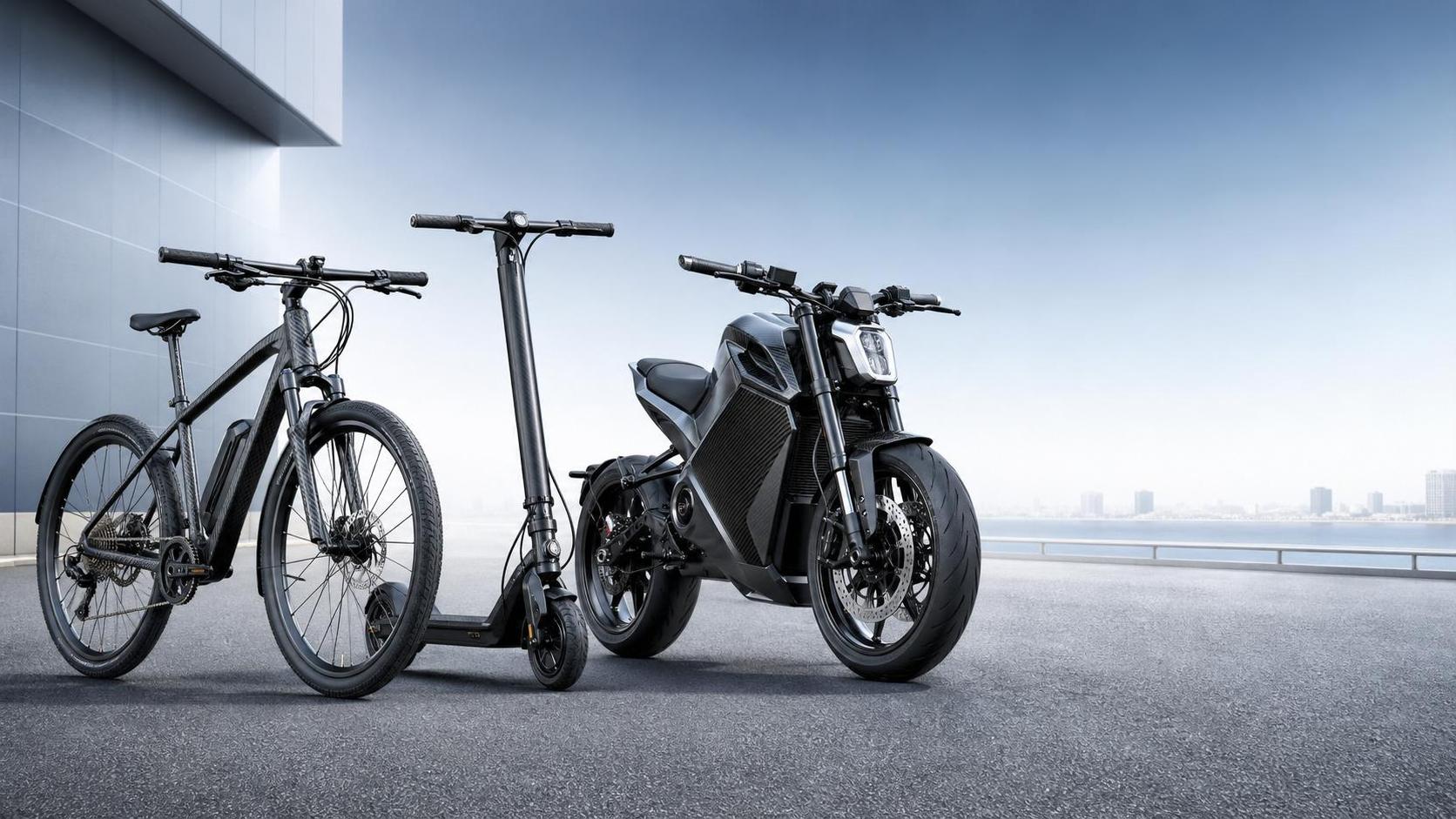
Two-wheeled vehicle trends in 2026 are moving from broad market momentum to more specific technical and regulatory turning points. The biggest early changes are not only about electrification. They are appearing where urban policy, lightweight engineering, digital control, and premium user expectations begin to reinforce each other.
That matters because the category is no longer a niche mix of bikes, scooters, and performance products. It is becoming a layered mobility system. E-bikes support daily commuting, e-scooters serve dense short-distance travel, e-motorcycles extend electric performance, and advanced drivetrains and carbon platforms redefine product value.
Within that landscape, two-wheeled vehicle trends are increasingly shaped by intelligence rather than hardware alone. ACMD follows this shift closely, especially across e-bikes, smart e-scooters, high-speed e-motorcycles, derailleur systems, and carbon fiber structures, where technical details now carry strategic weight.
Why 2026 looks different from the last growth cycle
Earlier market expansion was driven by adoption volume, export demand, and post-pandemic mobility habits. In 2026, the market is entering a more selective phase. Growth still matters, but the first visible winners will be defined by compliance, integration quality, and platform adaptability.
This is why two-wheeled vehicle trends deserve close attention now. A product that looked competitive in 2023 or 2024 may no longer be well positioned if its software stack is weak, its battery architecture is inflexible, or its material strategy cannot support performance and cost targets together.
More importantly, regulation is no longer a background variable. It is becoming a design input. Speed limits, right-of-way rules, battery transport requirements, geofencing mandates, and subsidy criteria are changing product roadmaps before the end user even sees the vehicle.
The first changes will appear in five connected areas
The most useful way to read two-wheeled vehicle trends is not by vehicle type alone. It is by the interaction between component innovation, urban use cases, and policy pressure.
E-bikes are shifting from assisted transport to software-defined mobility
E-bikes remain one of the strongest segments in Europe and many urban export markets. What changes first in 2026 is the intelligence layer. Battery management, torque sensing, anti-theft connectivity, route adaptation, and service diagnostics are becoming purchase criteria, not optional features.
The premium edge will come from how smoothly electric assist behaves under real riding conditions. That includes hill response, energy efficiency, firmware reliability, and how well the motor integrates with frame geometry and drivetrain logic.
Smart e-scooters will be judged by control systems, not just convenience
For shared and private e-scooters, the next phase is operational discipline. Cities want tighter fleet behavior, better parking compliance, and safer speed management. That pushes geofencing, IoT telemetry, and remote system updates into the center of product design.
In this segment, two-wheeled vehicle trends point toward vehicles that are easier to regulate and easier to maintain. Hardware durability still matters, but the real differentiator is how precisely the scooter fits urban governance models.
High-speed e-motorcycles are moving from novelty to infrastructure dependence
The performance case for electric motorcycles is already clear. Instant torque, low mechanical complexity, and strong acceleration make the format attractive. The next challenge is not proving electric power. It is building viable ecosystems around charging, swapping, thermal management, and safety certification.
That is why some of the most meaningful two-wheeled vehicle trends in this segment are invisible at first glance. Battery pack architecture, heat dissipation, and energy replenishment networks will shape market share more than headline acceleration figures.
Electronic shifting is becoming a strategic drivetrain layer
Derailleur systems used to signal mechanical refinement. Now they also signal digital maturity. Wireless electronic shifting, millisecond-level response, interference resistance, and predictive calibration are moving from elite cycling into broader product influence.
This matters beyond competitive riding. It changes how brands think about modular upgrades, software services, maintenance intervals, and premium positioning across the bicycle value chain.
Carbon fiber frames are becoming platform assets
Lightweighting has always been valuable, but 2026 raises the bar. Carbon fiber is no longer only about low mass. It is about aerodynamic shaping, lateral stiffness, battery integration, and system-level energy efficiency.
The strongest designs will link aerospace-grade composite know-how with manufacturability. That means carbon layup decisions need to support not only ride quality, but also repairability, supply resilience, and cost control.
Where business value is really being created
Two-wheeled vehicle trends are often discussed as consumer lifestyle signals. In practice, the value is being created deeper in the stack. The market is rewarding companies that can align materials science, electronics, software, and regulation into one coherent product system.
ACMD’s intelligence focus is useful here because the category is becoming harder to read through sales headlines alone. Wind tunnel frame behavior, anti-interference logic in electronic shifting, and thermal performance in high-output vehicles are no longer specialist side topics. They influence mainstream competitiveness.
Another important change is the premium willingness to pay. In several markets, buyers are accepting higher prices when the product clearly delivers better range management, better ride precision, lower maintenance friction, or stronger technical prestige.
How to interpret these trends in practical terms
Not every signal deserves the same weight. Some trends generate media attention but little structural advantage. The more reliable indicators usually sit at the intersection of user behavior, regulation, and engineering constraints.
A useful reading of two-wheeled vehicle trends should test whether a change does at least one of three things. It should solve a clear urban mobility problem, improve system performance in measurable ways, or strengthen product defensibility over time.
- Track which regulations directly alter vehicle design, not only market access.
- Compare software capability with mechanical capability in the same product line.
- Assess whether lightweight materials create efficiency gains beyond headline weight reduction.
- Look for platform reuse across models, batteries, and drivetrains.
- Measure serviceability, upgrade logic, and aftermarket compatibility early.
This is also where intelligence platforms such as ACMD add value. The category now changes across policy, component science, and user economics at the same time. Fragmented observation can miss important connections between them.
The most likely near-term scenarios
In urban mobility, the first acceleration is likely to happen in compliant, connected e-bikes and e-scooters. These vehicles already fit existing travel habits. Smarter digital control can improve them without demanding entirely new consumer behavior.
In performance mobility, high-speed e-motorcycles and advanced carbon platforms will move faster where infrastructure and premium demand already exist. The technical ceiling is high, but adoption depends on local networks, certification clarity, and durable supplier ecosystems.
For drivetrain technology, electronic shifting will continue spreading as a marker of precision and premium identity. As reliability improves and integration deepens, it will influence broader expectations around connected cycling systems.
What to watch next
The most actionable way to monitor two-wheeled vehicle trends in 2026 is to build a short list of leading indicators. Watch urban access rules, subsidy design, battery transport regulation, connected vehicle standards, material cost movements, and premium demand by use case.
It is also worth comparing where performance claims are supported by system evidence. Range, stiffness, shift speed, thermal stability, and digital service quality are more useful than broad innovation language.
The market is entering a stage where smaller technical decisions can create larger strategic outcomes. Reading those signals early makes it easier to prioritize product architecture, partnership strategy, and regional market timing with more confidence.
A sensible next step is to review which parts of the portfolio depend most on regulation, connectivity, and lightweight design. From there, the strongest opportunities usually become clearer: refine the platform, test the assumptions, and follow the signals that truly change the ride.
Related News