
Electric Bike Technology Trends to Watch in 2026

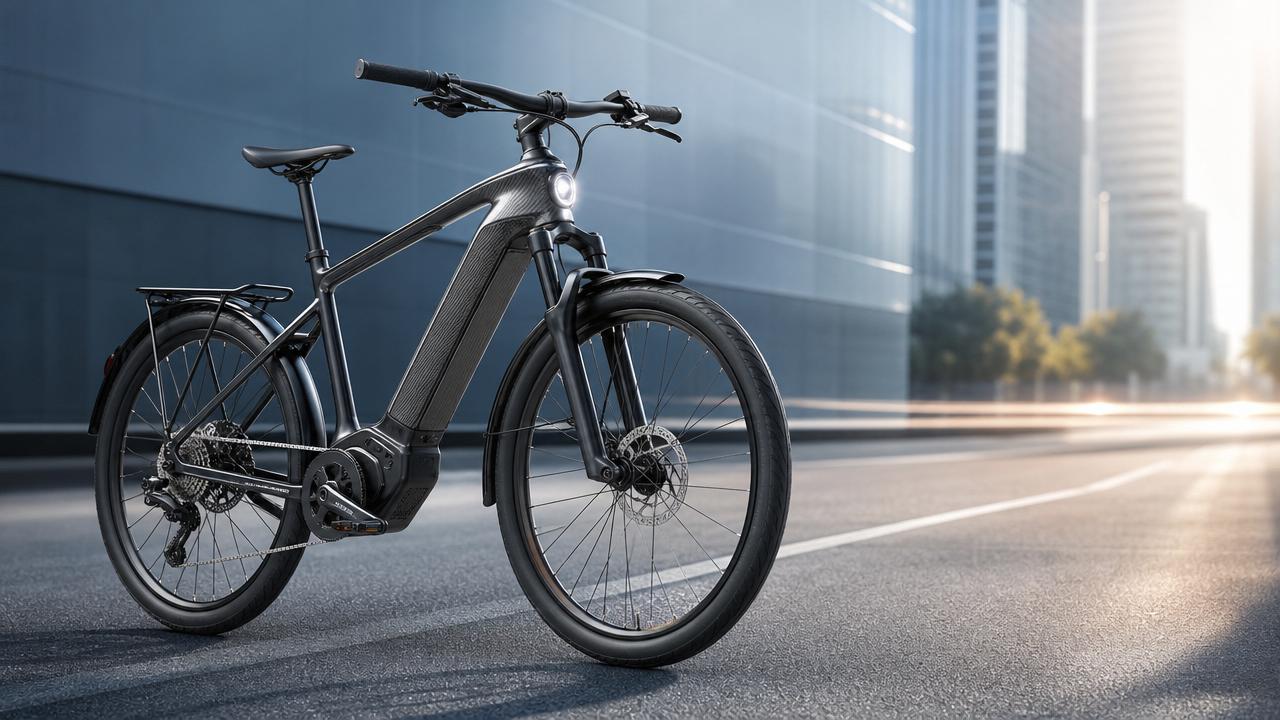
As 2026 approaches, electric bike technology is moving beyond basic pedal assist into intelligent power management, lightweight materials, connected drivetrains, and regulatory-ready urban mobility.
These shifts are not just engineering upgrades. They reveal where consumer demand, supply chain investment, and competitive advantage are converging.
For the global micro-mobility sector, electric bike technology now sits at the intersection of decarbonization, digital control, rider safety, and premium product strategy.
Electric Bike Technology in 2026: A Practical Definition
Electric bike technology refers to the integrated systems that support propulsion, control, safety, connectivity, structure, and rider interaction in modern e-bikes.
It includes motors, batteries, sensors, controllers, displays, firmware, frames, brakes, drivetrains, and software platforms that manage the riding experience.
In earlier product cycles, the main focus was simple electric assistance. By 2026, the focus is system intelligence.
The strongest products will not only add power. They will deliver smooth torque, predictable range, secure data, lighter structures, and legal compliance.
This makes electric bike technology a strategic field for urban commuting, cargo delivery, recreational riding, and performance cycling.
Industry Signals Reshaping E-Bike Development
Several market signals explain why electric bike technology is becoming more sophisticated and commercially important.
The result is a market where electric bike technology must serve both transportation reliability and high-end riding quality.
Trend 1: Smarter Power Management and Torque Control
Power delivery is becoming the core differentiator in electric bike technology. Riders increasingly notice how assistance feels, not only how strong it is.
Advanced torque sensors, cadence sensors, speed sensors, and gradient detection allow controllers to calculate support in milliseconds.
By 2026, more systems will adjust output according to rider effort, terrain, battery condition, temperature, and selected riding mode.
This improves traction on wet roads, reduces wheel spin on gravel, and protects drivetrains during aggressive acceleration.
In business terms, refined electric bike technology supports better reviews, lower warranty pressure, and stronger premium positioning.
Key development directions
- More natural pedal-assist curves for commuting and sport use.
- Adaptive torque mapping for climbing, cargo loads, and off-road riding.
- Controller firmware that balances power, range, and motor temperature.
- Predictive assistance based on route, gradient, and rider habits.
Trend 2: Safer Batteries and More Transparent Energy Systems
Battery systems remain one of the most critical areas in electric bike technology. Range matters, but safety now matters equally.
Cells, battery management systems, chargers, housings, and thermal design must work as one validated energy architecture.
In 2026, stronger attention will go to certified packs, smarter BMS logic, better diagnostics, and tamper-resistant charging systems.
Battery health visibility will also become more important. Riders and service teams need clear data about cycles, faults, and remaining capacity.
This makes electric bike technology more transparent, especially for fleet operations, shared mobility, and after-sales maintenance.
Trend 3: Lightweight Frames and Integrated Structural Design
Lightweighting is no longer limited to racing bicycles. It is becoming central to electric bike technology across premium urban and sport categories.
Carbon fiber frames, refined aluminum alloys, and optimized tube shapes help offset motor and battery weight.
The best designs balance stiffness, vibration absorption, aerodynamics, durability, and manufacturing repeatability.
For high-end e-MTBs and fast commuter models, frame integration also protects cables, sensors, connectors, and battery interfaces.
This gives electric bike technology a stronger mechanical foundation, especially when paired with precision drivetrain systems.
Materials to watch
- High-modulus carbon layups for premium road, gravel, and mountain e-bikes.
- Hydroformed aluminum for durable urban and cargo platforms.
- Reinforced composite covers for batteries, displays, and motor housings.
- Finite element design methods for strength and weight optimization.
Trend 4: Connected Drivetrains and Electronic Shifting
The drivetrain is becoming a data-rich subsystem within electric bike technology. Electronic shifting is moving from elite cycling into broader e-bike segments.
Wireless derailleurs, automatic shift logic, and motor-shift coordination can protect chains, cassettes, and internal gear hubs.
When motor torque and gear changes are synchronized, the ride feels smoother and mechanical shock is reduced.
This matters for cargo bikes, mountain e-bikes, and high-torque commuter models that often face heavy drivetrain loads.
By 2026, electric bike technology will increasingly connect shifting profiles with rider modes, terrain, and battery strategy.
Business value of connected shifting
- Improves perceived product refinement during test rides.
- Reduces drivetrain wear in high-torque use cases.
- Creates upgrade paths through firmware and component options.
- Supports premium differentiation beyond battery size and motor power.
Trend 5: Connectivity, IoT, and Data-Based Service Models
Connectivity is becoming a normal expectation in electric bike technology. GPS, Bluetooth, cellular modules, and app ecosystems are expanding rapidly.
Connected e-bikes can support theft alerts, remote diagnostics, navigation, firmware updates, crash detection, and service reminders.
For shared mobility and commercial fleets, connected electric bike technology enables asset tracking, utilization analysis, and preventive maintenance.
For private users, it supports convenience, security, and a more personalized riding experience.
However, data governance will matter. Secure pairing, encrypted updates, and privacy controls must be designed from the start.
Trend 6: Regulatory-Ready Design for Global Markets
E-bike rules differ across regions. Speed limits, power ratings, throttle use, lighting, labeling, and battery standards can vary significantly.
This makes compliance a core part of electric bike technology, not a late-stage documentation task.
Firmware-based speed control, region-specific assist profiles, certified battery packs, and traceable component data will become more important.
Products designed for multiple markets need flexible technical platforms that can adapt without costly redesign.
Regulatory-ready electric bike technology reduces launch risk and strengthens brand credibility in mature mobility markets.
Application Scenarios and Technology Priorities
Different e-bike categories require different combinations of performance, safety, cost, and software depth.
This scenario-based view helps avoid overengineering. The best electric bike technology fits the usage pattern, not only the specification sheet.
Practical Guidance for 2026 Product Strategy
Successful product planning should connect technology choices with market position, compliance needs, service capacity, and long-term platform value.
- Start with the target riding scenario before selecting motors or batteries.
- Validate electric bike technology as a complete system, not isolated components.
- Prioritize battery safety, certification, and clear state-of-health reporting.
- Use modular platforms to support different regions and price levels.
- Build firmware update capability into premium and fleet-oriented models.
- Coordinate drivetrain design with motor torque and rider assistance profiles.
- Treat service diagnostics as part of the user experience.
The strongest strategies will combine mechanical excellence with software intelligence. This is where electric bike technology creates durable differentiation.
Risks and Considerations Before Adoption
Advanced systems can increase product value, but they also introduce complexity. Poor integration can damage reliability and user trust.
Battery capacity should not be expanded without considering weight, frame balance, charging safety, and transport rules.
Connected features should not be added without cybersecurity planning, app maintenance, and clear data policies.
Lightweight structures should not compromise crash resistance, repairability, or long-term fatigue performance.
In 2026, reliable electric bike technology will depend on disciplined validation, not only attractive feature lists.
Strategic Outlook for the Micro-Mobility Value Chain
The next phase of electric bike technology will be shaped by integration. Motors, batteries, frames, drivetrains, and software must operate together.
This favors platforms with strong engineering depth, verified suppliers, adaptable firmware, and measurable service data.
It also raises the importance of market intelligence. Regulations, consumer expectations, and component innovation are changing quickly.
Organizations tracking electric bike technology should monitor battery standards, motor efficiency, connectivity architecture, lightweight materials, and drivetrain automation.
ACMD focuses on these intersections across e-bikes, smart e-scooters, e-motorcycles, derailleur systems, and carbon fiber structures.
Its intelligence approach connects micro-mobility regulation, precision mechanical transmission, composite material limits, and commercial market signals.
Next Steps for Market and Product Planning
To prepare for 2026, review product roadmaps against the trends outlined above. Identify where current platforms may lag in safety, intelligence, or integration.
Compare each model’s electric bike technology with its intended scenario, regional compliance requirements, and after-sales service capacity.
Then prioritize upgrades that improve real rider value, reduce operating risk, and support long-term brand credibility.
The winners in 2026 will not be defined by a single component. They will be defined by integrated electric bike technology that feels seamless.
For deeper intelligence on micro-mobility, lightweight materials, electronic shifting, and e-bike systems, follow ACMD’s ongoing market and technology analysis.
Related News