
Lightweight Structural Materials Trends Shaping Electric Mobility in 2026

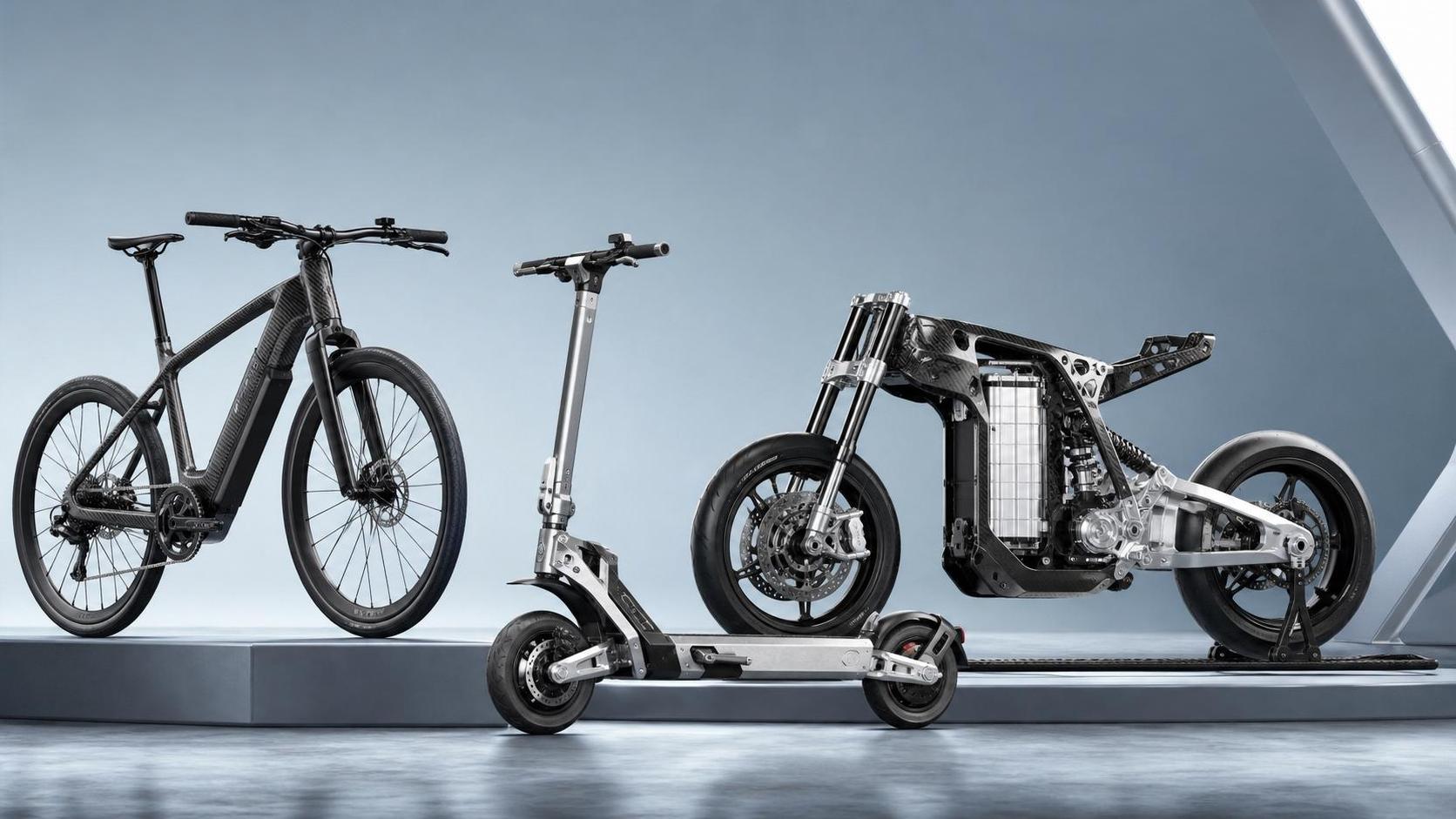
In 2026, lightweight structural materials sit much closer to board-level strategy than to a narrow engineering topic. In electric mobility, every kilogram affects range, battery sizing, handling, safety margins, and pricing logic.
That is especially visible across e-bikes, smart e-scooters, and high-speed e-motorcycles, where compact packaging and urban duty cycles leave little room for wasted mass. The result is a sharper focus on carbon composites, advanced aluminum, magnesium, and hybrid architectures.
For ACMD, which tracks premium two-wheel systems, precision drivetrains, and aerospace-grade material development, this shift is not abstract. It connects frame design, thermal management, electronic control, and commercial positioning in one decision chain.
Why lightweighting now carries more strategic weight
Electric mobility has moved beyond the early phase where electrification alone created differentiation. In many segments, baseline motor efficiency is improving, battery chemistry is advancing steadily, and software features are becoming easier to replicate.
Lightweight structural materials therefore matter because they improve several outcomes at once. They can extend effective range, reduce stress on braking systems, sharpen acceleration response, and support a more refined ride feel.
There is also a cost angle. Lower structural mass can reduce battery requirements for the same target range. In premium products, it can also justify pricing through visible performance and advanced manufacturing value.
Regulation adds another layer. Cities are tightening safety expectations, right-of-way rules, and sustainability criteria. That pushes vehicle developers to balance crashworthiness, durability, reparability, and lower lifecycle emissions more carefully than before.
What lightweight structural materials actually include in 2026
The term covers more than carbon fiber frames. In practice, it refers to materials and structures designed to carry load efficiently while minimizing mass across the whole vehicle architecture.
The core material families
Carbon fiber reinforced composites remain the flagship option for high-end applications. They offer excellent stiffness-to-weight performance and allow designers to tune layups around specific load paths.
Advanced aluminum alloys still dominate many commercial programs. They are familiar, scalable, and comparatively efficient in volume manufacturing, especially for frames, housings, and structural subassemblies.
Magnesium alloys are gaining attention where aggressive weight reduction matters, though corrosion control, fatigue behavior, and supply consistency still need close review.
Hybrid structures are becoming more common. A vehicle may combine composite frame sections, forged aluminum junctions, steel reinforcement points, and polymer covers with structural functions.
The manufacturing shift behind the trend
Material choice now depends as much on process capability as on raw performance. Resin transfer molding, automated layup, precision forging, adhesive bonding, and multi-material joining are reshaping what is commercially viable.
This matters because lightweight structural materials only deliver value when yield rates, quality assurance, and field reliability are controlled. A lighter frame that raises scrap, warranty claims, or repair complexity can weaken the business case.
Where the strongest demand is appearing
Demand is not uniform across micro-mobility. Each product class uses lightweight structural materials for different reasons, and the decision criteria change with speed, usage intensity, and margin expectations.
In e-bikes, lower mass improves the human-machine balance. Riders notice not only range, but also agility on climbs, easier carrying, and more natural pedal assistance.
In smart e-scooters, the equation is different. Fleet operators and urban users value portability, curb impact resistance, and lower replacement cycles. Weight reduction must not compromise abuse tolerance.
For high-speed e-motorcycles, structural weight is directly tied to acceleration, braking stability, and battery pack integration. Here, lightweight structural materials support both performance identity and engineering necessity.
The industry signals worth tracking
Several signals suggest that lightweight structural materials will remain central through 2026 and beyond. The first is the move from component optimization to full-system optimization.
A lighter frame changes suspension tuning, brake sizing, motor calibration, and battery strategy. ACMD’s coverage of drivetrain precision and composite science shows that these decisions are increasingly interdependent.
Another signal is the rise of premium technical storytelling. In competitive two-wheel gear and advanced urban mobility, buyers are paying closer attention to layup quality, stiffness targets, fatigue testing, and manufacturing origin.
A third signal is production discipline. Markets no longer reward exotic materials by default. They reward proven reliability, repair logic, and measurable lifecycle value.
- More battery enclosures are becoming structural elements rather than passive containers.
- Carbon fiber adoption is expanding beyond top-tier racing products into selective premium commuter models.
- Multi-material joining is becoming a core capability, not a niche experiment.
- Thermal management and structural design are being assessed together more often.
What good decision-making looks like in practice
The most effective material decisions start with use case discipline. Lightweight structural materials should be selected against real duty cycles, not against headline weight targets alone.
For example, an urban shared scooter needs a different structural logic than a performance carbon e-bike. The first prioritizes impact durability and serviceability. The second can justify higher material complexity for ride response and brand prestige.
A practical review usually needs five lenses at the same time:
- Mass reduction per functional area, not only total vehicle weight.
- Structural stiffness, fatigue life, and crash behavior under actual loads.
- Manufacturing repeatability, scrap rate, and supplier process maturity.
- Repairability, parts replacement logic, and warranty exposure.
- How the material story supports positioning in target markets.
This is where intelligence platforms such as ACMD become useful. Material selection is no longer a single procurement choice. It sits between market demand, regulatory conditions, drivetrain architecture, and performance expectations.
Risks that are easy to underestimate
Lightweight structural materials can improve economics, but they can also hide new costs. One common mistake is assuming that a higher-performance material automatically creates a better product-market fit.
Composite structures may reduce weight impressively, yet increase inspection complexity after impact. Magnesium parts may offer attractive savings, yet demand stricter corrosion management across humid or coastal markets.
Another risk sits in supply chains. Aerospace-grade fibers, specialty alloys, and precise bonding processes can become bottlenecks during demand spikes. That matters when launch schedules depend on certification, export timing, or seasonal sales windows.
End-of-life expectations are also changing. More buyers and regulators want clarity on recyclability, embodied carbon, and disassembly. In 2026, lightweighting strategies that ignore circularity may face a credibility gap.
How to evaluate the next move
The next step is usually not to chase the lightest possible structure. It is to identify where lightweight structural materials create the highest combined return across performance, reliability, cost, and brand value.
A useful starting point is to map vehicle platforms by duty cycle, price band, and margin sensitivity. Then compare where mass reduction changes the battery requirement, the ride experience, or the service model in measurable terms.
It also helps to review supplier capability alongside product ambition. A strong concept can fail if joining methods, inspection standards, or quality traceability lag behind the design intent.
Across electric mobility, the 2026 winners will likely be those that treat lightweight structural materials as a systems decision. That means linking material science, drivetrain precision, urban usage realities, and commercial strategy before committing capital at scale.
From there, the most sensible path is straightforward: define the critical use cases, test the structural trade-offs, and build a material roadmap that matches both technical ambition and market timing.
Related News