
E-Motorcycle Performance: How to Compare Range, Torque, and Top Speed

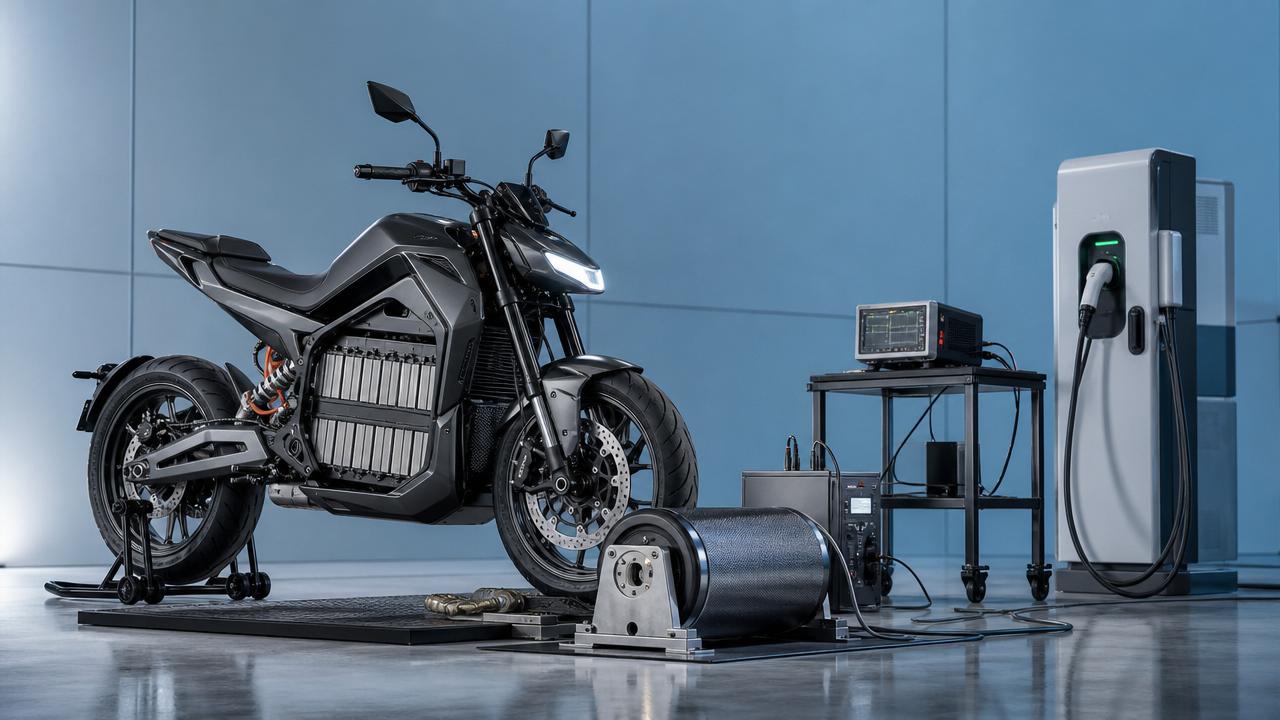
E-Motorcycle Performance: How to Compare Range, Torque, and Top Speed
For procurement teams evaluating next-generation two-wheel solutions, e-motorcycle performance is more than a spec-sheet headline.
Range, torque, and top speed shape market fit, rider satisfaction, compliance, and long-term operating cost.
That sounds simple, but comparing models is rarely straightforward.
Many suppliers highlight peak numbers without enough context.
In real sourcing decisions, the better question is this: which e-motorcycle performance profile fits the target use case best?
This guide breaks down how to compare the three core metrics with a practical, buying-focused framework.
It also helps separate true value from marketing noise in a fast-moving electric mobility market.
Why e-motorcycle performance should be reviewed as a system
A common mistake is reviewing range, torque, and top speed as isolated data points.
In practice, each metric affects the others.
Higher top speed can reduce range.
Stronger torque can improve acceleration, but it may increase battery stress and heat load.
A model with a large battery may post impressive range, yet become too heavy for urban agility.
This is why e-motorcycle performance should be evaluated as an operating package.
The package includes battery chemistry, controller tuning, vehicle weight, thermal management, and expected riding pattern.
From a sourcing standpoint, that systems view reduces the risk of choosing a bike that looks strong on paper but underperforms in the field.
How to compare range without being misled
Range is often the first filter in any e-motorcycle performance review.
It matters because it directly affects daily usability, charging frequency, downtime, and fleet planning.
Still, advertised range is one of the easiest figures to overstate.
Check the test condition first
Ask whether the stated figure comes from city riding, mixed riding, or constant low-speed testing.
A bike rated for 180 kilometers in ideal conditions may deliver far less under loaded, high-speed use.
For a fair e-motorcycle performance comparison, normalize the riding scenario across suppliers.
Focus on usable battery energy
Battery capacity in kWh tells more than range alone.
What matters even more is usable capacity, not just gross capacity.
Suppliers that reserve more battery buffer may deliver longer pack life, even if headline range looks lower.
Review range under payload and climate
Payload, road gradient, temperature, and stop-start frequency all influence real-world e-motorcycle performance.
If the target market includes hot regions or steep urban roads, request adjusted range data.
That extra detail often reveals which models are engineered for realistic demand rather than lab-friendly reporting.
How torque affects usability, safety, and market fit
Torque is one of the main reasons riders switch to electric motorcycles.
Instant response makes the ride feel quick, smooth, and confident in traffic.
But in procurement terms, torque should be judged by delivery quality, not by peak output alone.
Peak torque and continuous torque are different
Peak torque helps with launch feel and short bursts.
Continuous torque matters more for climbs, carrying loads, and repeated acceleration.
When comparing e-motorcycle performance, ask for both values and the duration of peak delivery.
Controller tuning changes the riding experience
Two motorcycles can share similar motor specs yet feel completely different.
The difference usually comes from controller mapping, throttle calibration, and traction logic.
For delivery, commuter, or premium urban segments, smooth torque delivery often beats aggressive tuning.
Too much torque can create hidden costs
High torque improves acceleration, but it can also increase tire wear, drivetrain load, and battery heat.
That means total e-motorcycle performance must include service intervals and component durability.
In actual business use, the best torque profile is the one riders can use consistently and safely.
How to assess top speed in a practical way
Top speed gets attention, especially in performance-led categories.
Yet for many sourcing decisions, it is not the most important metric.
What matters is whether the motorcycle can maintain the required cruising speed efficiently and legally.
Match speed to infrastructure and regulation
A 140 km/h maximum speed may sound attractive.
However, if the target market is mainly urban, that capability may add cost without adding value.
For suburban commuting or ring-road access, sustained mid-speed performance may matter more than extreme top speed.
Ask for sustained speed data
Some models can briefly hit a headline top speed, then reduce output because of thermal limits.
That is why good e-motorcycle performance analysis includes sustained speed, not just peak speed.
This is especially important in hot climates and high-load commercial operation.
Higher speed usually reduces efficiency
Aerodynamic drag rises quickly at higher speeds.
So a motorcycle optimized for top speed may deliver weaker range at normal use than expected.
This trade-off should be made explicit during vendor comparison.
A practical comparison framework for sourcing decisions
To compare e-motorcycle performance clearly, use one standard evaluation sheet across all shortlisted models.
That keeps discussion objective and makes supplier claims easier to verify.
- Define the target scenario first, such as commuter retail, delivery fleet, or premium high-speed use.
- Record battery capacity, usable energy, charging time, and battery warranty terms.
- Separate peak and continuous torque, then note payload and hill-climb behavior.
- Compare top speed with sustained cruising speed and thermal stability.
- Review vehicle weight, braking package, tire specification, and software riding modes.
- Estimate total operating cost, including energy use, tire wear, service parts, and pack replacement risk.
This method turns e-motorcycle performance from a marketing discussion into a measurable buying decision.
Questions to ask suppliers before final selection
Recent market changes show that stronger supplier questioning leads to better model selection.
The more useful signal is not the headline answer.
It is how detailed, transparent, and test-backed the answer is.
- What test cycle was used to calculate range?
- What are the peak and continuous motor outputs?
- How does e-motorcycle performance change with full payload?
- Can the motorcycle sustain highway or ring-road speeds without derating?
- What thermal management strategy protects battery and controller life?
- What degradation level is expected after one, two, and three years?
- Which certifications, compliance records, and field references are available?
These questions help buyers compare real engineering quality, not just polished brochures.
Common buying mistakes when reviewing e-motorcycle performance
Several sourcing errors appear again and again in this category.
- Choosing the highest top speed when the target use case is mostly urban.
- Comparing range numbers without checking rider weight, route profile, or speed condition.
- Treating peak torque as a full picture of acceleration and carrying performance.
- Ignoring thermal control, software calibration, and battery warranty details.
- Underestimating after-sales support and spare-part availability.
Each of these mistakes can distort e-motorcycle performance comparisons.
More importantly, they can increase warranty exposure and weaken product-market fit after launch.
Final takeaway for better model selection
The best e-motorcycle performance is not always the one with the biggest number.
It is the combination of range, torque, and top speed that fits the intended market with the fewest compromises.
That also means comparing battery usability, sustained output, thermal stability, and ownership cost alongside the headline specs.
In a market where technology moves quickly, disciplined evaluation creates a real competitive advantage.
Use a scenario-based scorecard, challenge supplier assumptions, and verify real operating conditions before placing volume orders.
That approach makes e-motorcycle performance comparison sharper, safer, and far more useful for confident decision-making.