
Aerospace-grade Composites in Premium Frame Manufacturing

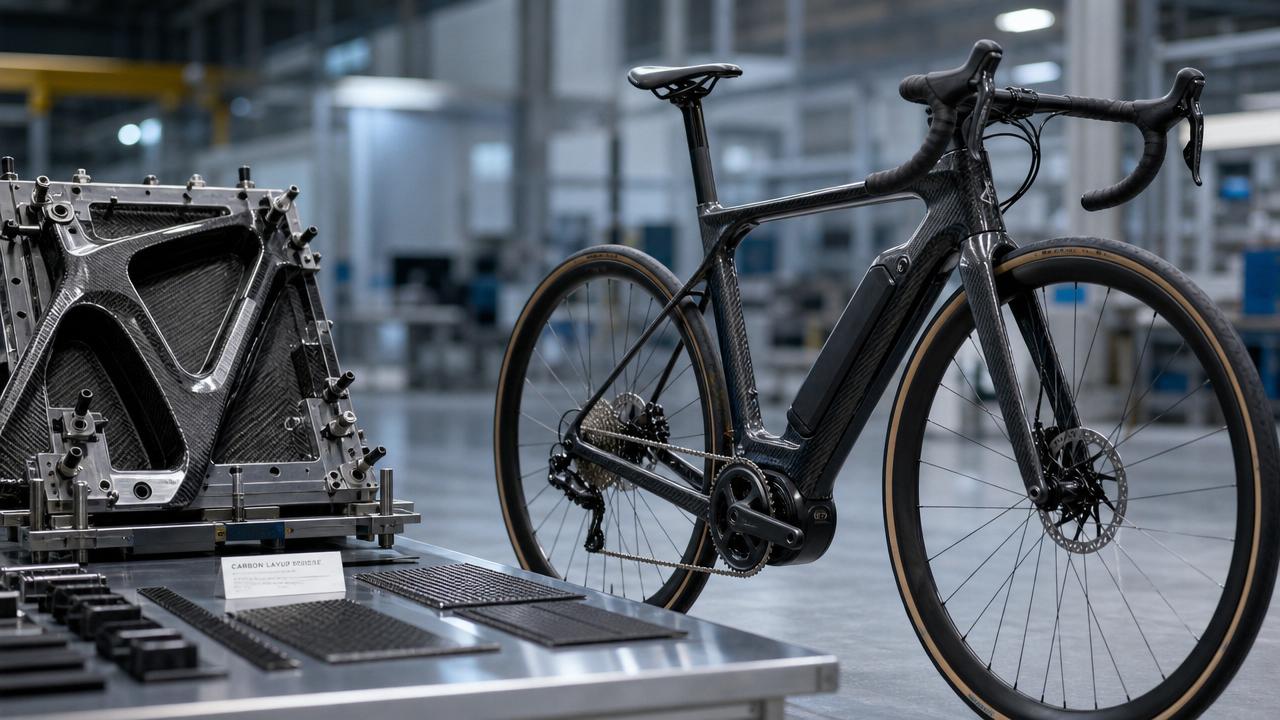
In premium frame manufacturing, aerospace-grade composites are redefining what project leaders can achieve in strength, weight reduction, and production precision. For engineering and program managers balancing performance targets, cost control, and market differentiation, understanding how these advanced materials translate into scalable, high-value frame solutions is now a strategic advantage.
Why aerospace-grade composites matter in premium frame programs
For project managers in advanced mobility, the frame is no longer just a structural component. It is the central platform that influences ride feel, energy transfer, aerodynamic potential, fatigue life, and final brand positioning. In high-end bicycles, e-bikes, smart scooters, and performance-oriented light electric vehicles, aerospace-grade composites offer a path to reconcile objectives that often conflict: lower mass, higher stiffness, tighter tolerances, and premium market appeal.
The term aerospace-grade composites usually refers to advanced fiber-reinforced materials, often based on high-performance carbon fibers, carefully controlled resin systems, and process disciplines adapted from demanding lightweight applications. In premium frame manufacturing, this does not mean copying aircraft production directly. It means applying a similar mindset of layup precision, load-path engineering, defect control, and validation-driven design.
This matters especially in ACMD’s observed landscape, where carbon fiber frames, electronic drivetrain integration, and electric mobility systems are converging. A frame program today may need to support battery packaging, internal cable routing, wireless shifting compatibility, vibration management, and stricter regulatory expectations across export markets. Aerospace-grade composites make these targets more achievable, but only when engineering, sourcing, and manufacturing decisions are aligned from the start.
- They enable high stiffness-to-weight ratios that help both performance bicycles and electric mobility platforms improve responsiveness.
- They support more complex integrated shapes, useful for aerodynamics, cable routing, motor interfaces, and battery housing strategies.
- They can improve premium perception in markets where buyers actively associate carbon construction with advanced engineering and higher value.
What project leaders are really evaluating
Most engineering teams are not asking whether aerospace-grade composites are impressive. They are asking whether the material system can deliver repeatable quality, acceptable scrap rates, reliable joining performance, predictable lead times, and a justifiable total cost per frame. That is the procurement and delivery reality.
Where aerospace-grade composites create measurable value
The practical value of aerospace-grade composites depends on the application scenario. A race-oriented road frame has different priorities from an urban e-bike frame or a high-speed electric motorcycle substructure. The table below helps project owners compare how performance priorities shift by vehicle type.
The key takeaway is simple: aerospace-grade composites do not deliver value in the same way across all premium frame categories. The closer the product is to performance differentiation, packaging complexity, and premium price tolerance, the stronger the business case tends to become.
Why this aligns with ACMD’s strategic lens
ACMD’s focus on carbon fiber frames, precision drivetrain systems, and low-carbon mobility makes this evaluation more useful than a material-only discussion. Program decisions are rarely isolated. A lighter frame may influence motor sizing, battery range assumptions, handling targets, and even the perceived value of wireless electronic shifting systems integrated into the complete vehicle concept.
How aerospace-grade composites compare with aluminum, steel, and standard carbon
For procurement and engineering teams, the real decision is not whether composites are advanced. It is whether aerospace-grade composites outperform competing materials for the specific program brief. The comparison below highlights where trade-offs become commercially important.
This comparison shows why some teams move too quickly to carbon without clarifying whether they need standard composite capability or aerospace-grade composites specifically. If your differentiation depends on tight structural tuning, integration complexity, and premium user expectations, the higher-grade route can be justified. If your priority is volume, simplicity, and repairability, other materials may be more practical.
A common sourcing mistake
A frequent error is buying material grade as a label rather than an engineered system. Fiber type, resin chemistry, ply orientation, compaction quality, mold design, and cure consistency matter more than a marketing claim. Project leaders should ask how the complete frame construction is validated, not just what carbon grade is listed on a specification sheet.
Technical checkpoints project managers should review before approval
Structural performance and load mapping
Aerospace-grade composites are most effective when the load path is understood in detail. That means examining bottom bracket stiffness, head tube reinforcement, seat cluster compliance, dropout behavior, and the interaction between local inserts and composite laminates. For e-bikes and higher-speed mobility platforms, motor torque input and battery mass distribution must also be reflected in the laminate strategy.
Manufacturing process discipline
Material quality alone cannot compensate for weak production control. Teams should review prepreg handling, humidity and temperature conditions, mold accuracy, bladder or mandrel strategy, cure process stability, trimming precision, and non-destructive inspection practices where relevant. Even small deviations can affect void content, bond integrity, and dimensional accuracy.
Integration with systems beyond the frame
In ACMD’s domain, the frame often coexists with wireless shifting modules, battery enclosures, sensor mounts, and aerodynamic cockpit assemblies. A premium frame program should therefore assess electromagnetic compatibility around electronics, serviceability of internal routing, sealing against environmental exposure, and reinforcement around fastener interfaces.
- Check whether laminate thickness is driven by real load cases or copied from a previous platform.
- Confirm how metallic inserts, pivot points, and threaded areas are isolated against stress concentration.
- Review whether quality checks occur only at final inspection or throughout the layup and curing stages.
How to select the right aerospace-grade composites supplier or development partner
Supplier selection is where many projects gain or lose months. For premium frame manufacturing, the decision should not rest on quotation alone. Project managers need a sourcing framework that balances engineering maturity, commercial flexibility, and delivery risk.
The following evaluation matrix can support early supplier screening for aerospace-grade composites programs.
A capable partner should also be comfortable discussing trade-offs. If a requested wall thickness or modulus target creates impact vulnerability, the right supplier will say so early. That kind of transparency is often more valuable than an aggressive promise on weight.
A practical procurement checklist
- Define the use case first: racing, urban mobility, cargo support, or mixed-terrain electric use.
- Translate that use case into performance targets such as stiffness zones, impact tolerance, and mass thresholds.
- Align tooling budget, validation schedule, and production ramp assumptions before requesting final quotations.
- Request process explanations, not just sample photos or promotional claims.
Cost, risk, and alternatives: when is the premium justified?
Aerospace-grade composites are rarely the lowest-cost path, and they should not be framed that way. The more useful question is whether they reduce total program risk or raise product value enough to offset development and manufacturing cost. For flagship products, the answer is often yes. For entry-level programs, usually not.
Project leaders should think in terms of total cost of ownership, including prototyping iterations, tooling changes, quality losses, warranty exposure, shipping implications from lower weight, and the pricing power of a premium material story. In high-end mobility segments, performance and perceived technology value can significantly influence margin potential.
When a hybrid strategy may be smarter
Not every frame requires a full aerospace-grade composite architecture. Some programs benefit from hybrid solutions, such as advanced composite main structures paired with metal interfaces, or premium carbon used only in stiffness-critical zones. This approach can control cost while preserving a meaningful share of the performance benefit.
- Use aerospace-grade composites where mass and stiffness sensitivity are highest.
- Retain more conventional materials in less critical or highly impact-exposed components.
- Evaluate service and repair expectations before locking in an all-composite approach.
Standards, validation, and compliance questions you should not skip
In premium frame manufacturing, performance claims have little value without test planning. Depending on the product category and target market, teams may need to consider general mechanical safety standards, fatigue and impact test protocols, e-bike regulations, chemical compliance for materials, and documentation required by distributors or OEM customers. The exact framework varies, but the process discipline should be consistent.
Aerospace-grade composites often raise expectations among buyers, which makes validation even more important. If the frame is promoted as advanced, customers will expect measurable engineering rigor behind that statement.
Validation topics to align early
- Static load cases and fatigue cycles relevant to real rider or vehicle usage.
- Impact performance at vulnerable zones such as down tube, fork crown interface, and dropout areas.
- Environmental durability, including moisture exposure, temperature variation, and coating compatibility.
- Dimensional and assembly repeatability for integrated battery, drivetrain, and cockpit interfaces.
FAQ for project managers evaluating aerospace-grade composites
How do I know whether aerospace-grade composites are necessary for my frame program?
Start with the commercial and engineering brief. If your program depends on aggressive weight targets, refined ride tuning, integrated packaging, and premium positioning, aerospace-grade composites may be appropriate. If your product is cost-driven, subject to heavy urban abuse, or designed for easy field repair, the premium may be harder to justify.
What should I ask a supplier beyond material grade?
Ask about layup methodology, resin handling, cure controls, dimensional inspection, insert integration, and how prototypes are correlated with production. Also ask what failure modes they consider most critical in your geometry. A useful supplier will discuss process capability and validation logic, not just fiber branding.
Are aerospace-grade composites always lighter than other carbon options?
Not automatically. Weight depends on the complete structural design. A poorly optimized frame made from high-end materials can still be heavier than a well-engineered standard carbon frame. The benefit comes from better material efficiency when the design, layup, and manufacturing process are all aligned.
What delivery risks should I monitor during ramp-up?
Watch tooling readiness, prototype-to-production consistency, scrap rates, curing bottlenecks, and rework caused by tolerance drift. In integrated e-bike projects, also monitor interfaces with battery packs, motor mounts, and internal routing hardware. Cross-functional timing risk is often greater than raw material risk.
Why ACMD is a practical intelligence partner for premium frame decisions
ACMD operates at the intersection of lightweight materials, high-end two-wheel engineering, and commercial mobility intelligence. That matters because aerospace-grade composites should not be evaluated in isolation. Their value changes when combined with drivetrain innovation, e-bike market shifts, regulatory changes, and premium buyer expectations across global regions.
For project managers and engineering leads, this broader perspective reduces blind spots. Material selection affects not only frame performance, but also aerodynamic strategy, electric system integration, manufacturing scalability, and the technical credibility of the final product in competitive markets.
What you can contact us about
If you are evaluating aerospace-grade composites for a premium frame or light mobility platform, ACMD can support your decision process with focused intelligence and program-oriented guidance. You can reach out to discuss:
- Parameter confirmation for frame stiffness, weight targets, and integration constraints.
- Material and structure selection for road, gravel, e-bike, scooter, or performance electric applications.
- Development planning, including prototype priorities, validation focus, and delivery timeline risk.
- Compliance and export-facing considerations tied to target markets and product categories.
- Supplier screening, sample evaluation logic, and quote comparison for high-value composite programs.
When the goal is not just to build a lighter frame, but to deliver a stronger business case for premium mobility, aerospace-grade composites deserve a disciplined evaluation. ACMD helps connect the material science, engineering trade-offs, and market signals needed to make that decision with more confidence.
Related News