
Urban Cycling Mistakes That Slow Daily Commutes

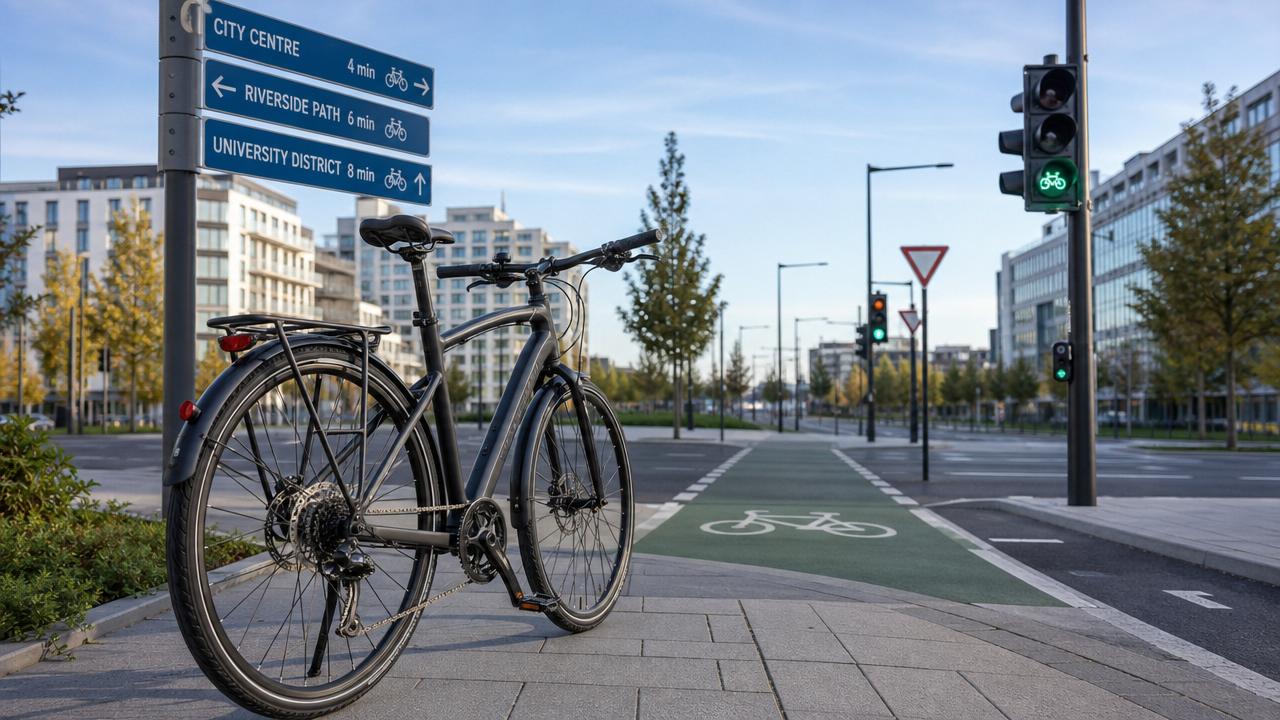
Urban cycling should make daily commutes faster, cheaper, and less stressful, yet small habits often do the opposite. From poor route choices to inefficient riding posture and badly adjusted bikes, these common mistakes can quietly waste time and energy. In this guide, we break down the urban cycling errors that slow riders down and show how smarter techniques and better setup can help consumers commute more efficiently.
What Urban Cyclists Are Really Searching For
Most readers searching for urban cycling advice are not looking for racing tactics. They want practical ways to arrive sooner, sweat less, feel safer, and stop wasting effort on everyday rides.
The core search intent behind this topic is clear: identify the avoidable mistakes that make a city commute slower, then replace them with simple habits that improve speed, comfort, and consistency.
For everyday consumers, the biggest concern is not maximum top speed. It is average door-to-door efficiency, including traffic lights, route choice, bike fit, carrying loads, and stop-start riding conditions.
That means the most useful article is not a general introduction to urban cycling. It should focus on the specific decisions that cost time every day and show how to fix them.
The Biggest Mistake: Choosing the Shortest Route Instead of the Fastest One
Many commuters assume the shortest distance will always be the quickest option. In cities, that is often wrong. A shorter route with frequent intersections, bus lanes, pedestrians, and poor pavement can be slower.
The faster route is usually the one with fewer full stops, smoother surfaces, and more predictable traffic flow. Even if it adds a few extra blocks, it may reduce braking, waiting, and stressful merging.
Urban cycling becomes more efficient when riders think in terms of average momentum, not map distance alone. Every unnecessary stop drains time and forces you to rebuild speed again and again.
Test two or three route options over a full week. Track actual door-to-door times, not just moving time. Many commuters discover the “best” route is the one that feels calmer and flows better.
Protected bike lanes, greenways, and lower-conflict side streets often outperform busy main roads. A route that lets you pedal steadily usually beats one that demands constant hard accelerations and sudden braking.
Riding Too Hard Between Lights and Then Stopping Completely
One of the most common urban cycling mistakes is sprinting aggressively after every green light, only to stop at the next red signal thirty seconds later. This feels fast but often makes the commute less efficient.
Frequent hard acceleration burns energy, increases sweat, and creates fatigue without delivering a meaningful time gain. In dense city traffic, timing and rhythm matter more than repeated short bursts of speed.
Experienced commuters learn to read the road ahead. If the next light is already red, easing off slightly can help you roll forward and meet the green instead of racing into another stop.
This technique improves average pace because momentum is preserved. It also reduces wear on brakes, tires, and drivetrain parts. For riders on non-electric bikes, it makes the whole commute noticeably less draining.
Even on e-bikes, poor pacing wastes battery support. Smooth riding allows the motor and rider to work more efficiently together, especially in stop-start corridors where abrupt inputs can feel jerky and inefficient.
Using the Wrong Gear for Stop-Start Streets
Urban cycling punishes poor gear choice. Many riders stay in a gear that feels fine at cruising speed but is too heavy when restarting after intersections, crossings, or traffic congestion.
Starting in a gear that is too hard slows takeoff, strains knees, and makes the first few pedal strokes feel awkward. It also delays your ability to merge smoothly or clear an intersection efficiently.
Before stopping, shift into an easier gear. This small habit saves time on every restart and makes commuting feel smoother. Riders with electronic shifting or refined drivetrain systems often notice this benefit immediately.
At the other extreme, spinning too lightly all the time can also reduce efficiency. The goal is a balanced cadence that supports quick acceleration without forcing you into frantic pedaling once speed builds.
If your bike hesitates, skips, or shifts poorly, the issue may not be your technique alone. A worn chain, misadjusted derailleur, or dirty drivetrain can quietly make every commute slower.
A Poor Bike Fit Can Make a Short Commute Feel Longer
Many people think bike fit only matters for long weekend rides. In reality, a poor setup can waste energy on even a fifteen-minute city trip and leave riders feeling slower than they should.
A saddle that is too low reduces pedaling efficiency and overloads the knees. Bars that are too far away or too low may create unnecessary strain in the neck, shoulders, and lower back.
When posture is uncomfortable, riders tend to shift around constantly, push unevenly, and reduce power without noticing. That lost efficiency adds up across a week of commuting.
Urban cycling works best when the rider can maintain a stable, relaxed position with clear visibility and easy control. The ideal commuter fit balances comfort, power transfer, and confidence in traffic.
If your hands go numb, your knees ache, or you feel overly stretched, do not ignore it. Small adjustments to saddle height, bar position, and lever reach can significantly improve commuting speed and comfort.
Overloading the Bike or Carrying Weight the Wrong Way
What you carry affects how fast and smoothly you move through the city. A heavy backpack raises body heat, shifts your center of gravity, and can make climbing or repeated stops feel much harder.
For many commuters, moving daily items from the back to the bike is one of the easiest upgrades. A rear rack, pannier, or front basket often improves comfort more than expected.
Weight distribution matters too. An unstable load changes steering response and forces extra micro-corrections. That can slow riders in traffic, especially on rough pavement or when riding one-handed to signal.
If you regularly carry a laptop, groceries, tools, or gym clothes, optimize the setup. Commuting efficiency is not only about legs and lungs. It is also about reducing avoidable physical drag and handling instability.
For e-bike users, added cargo still matters. Electric assist helps with acceleration, but poor load balance can reduce confidence in turns and braking, especially in wet or crowded urban conditions.
Neglecting Tire Pressure, Rolling Resistance, and Basic Maintenance
Some of the slowest urban bikes are not old or low quality. They are simply undermaintained. Low tire pressure, rubbing brakes, dirty chains, and dry drivetrains create resistance that riders feel every day.
Tires that are too soft increase rolling drag and make steering feel vague. Tires that are too hard for the surface may reduce comfort and control. The right pressure depends on tire width, rider weight, and road quality.
A quick weekly check can make a real difference. Inflate tires appropriately, inspect for brake rub, wipe and lubricate the chain, and confirm shifting is crisp. These are small tasks with immediate commuting benefits.
Urban cycling puts bikes through constant abuse from curbs, rain, debris, and repeated stops. That makes preventive maintenance more important, not less. A bike that feels “fine” may still be costing you time.
Consumers often chase performance upgrades before addressing friction losses. In many cases, a well-maintained commuter bike feels faster in the city than a more expensive bike with poor setup and neglected components.
Ignoring Traffic Flow and Riding Without City Awareness
Speed in city commuting is not only physical. It is tactical. Riders who fail to read traffic patterns often get trapped in poor lane positions, blocked by turning vehicles, or delayed at crossings they could have anticipated.
Looking farther ahead helps you choose cleaner lines, avoid unnecessary braking, and prepare for hazards before they force a reaction. This is one of the most valuable urban cycling habits to develop.
Watch pedestrian crossings, bus stops, parked car doors, delivery vehicles, and signal timing. Good anticipation keeps your pace smoother and your decisions calmer, which usually makes you both faster and safer.
Many delays come from bad positioning. If you approach an intersection in the wrong place, you may have to stop behind turning traffic or yield longer than necessary. Proper road placement can save time without increasing risk.
Urban commuting rewards alertness more than aggression. The rider who flows intelligently through the city often arrives sooner than the one who keeps forcing speed into every small opening.
Wearing the Wrong Clothing for Efficient Commuting
Clothing choices influence speed more than many casual riders expect. Overdressing leads to overheating, sweat buildup, and discomfort, which can make the ride feel harder and require more recovery afterward.
Loose clothing can flap in the wind, catch on components, or distract the rider. Footwear that is too soft or unstable may also reduce pedaling efficiency during repeated accelerations from low speed.
You do not need race apparel to improve an urban commute. You need clothing that matches the weather, allows movement, and manages temperature well enough to keep effort controlled.
Layering is usually more effective than wearing one heavy item. On cool mornings, a breathable outer layer can prevent chill without causing overheating once traffic and body temperature rise.
For year-round urban cycling, practicality wins. The best clothing setup is the one that helps you arrive ready for work, errands, or school without needing a full reset after the ride.
Assuming a Faster Bike Automatically Solves a Slow Commute
Consumers often believe the answer is a lighter bike, a faster tire, or a more advanced e-bike. Better equipment can help, but it rarely fixes poor habits, bad route selection, or inefficient setup.
A premium commuter, refined drivetrain, or lightweight frame has more value when the rider already understands the basics of pace, gearing, maintenance, and route strategy. Otherwise, much of the benefit is wasted.
This does not mean equipment is irrelevant. For some riders, an e-bike dramatically improves average commute time by flattening hills, reducing fatigue, and making headwinds less of a problem.
But even then, the fundamentals still matter. A badly fitted e-bike with soft tires and a poor route can still feel frustratingly slow. Technology helps most when it supports good commuting decisions.
If you are considering an upgrade, first ask what is really limiting your current ride: route friction, body position, carrying load, maintenance, fitness, or traffic confidence. The right answer may be cheaper than expected.
How to Make Urban Cycling Faster Starting This Week
If your daily commute feels slower than it should, begin with the highest-impact fixes. First, compare route options based on real travel time, number of stops, and stress level rather than distance alone.
Second, improve your restart efficiency. Shift down before stopping, accelerate smoothly, and avoid pointless sprints toward red lights. This alone can make urban cycling feel easier and more controlled.
Third, check the bike. Correct tire pressure, clean drivetrain parts, aligned brakes, and proper saddle height can transform the ride without requiring a new purchase.
Fourth, rethink what you carry and how you carry it. A better bag or rack setup can improve balance, reduce sweat, and make stop-start commuting less tiring.
Finally, practice city awareness. Looking farther ahead and understanding signal rhythm will help you preserve momentum and avoid avoidable delays. The goal is not to ride harder. It is to ride smarter.
Conclusion
The urban cycling mistakes that slow daily commutes are usually not dramatic. They are small, repeated choices involving route planning, gear use, posture, maintenance, pacing, and awareness.
For most consumers, the fastest commute does not come from pushing harder. It comes from preserving momentum, reducing friction, improving comfort, and making the bike work better in real city conditions.
When riders fix these basics, commuting becomes more than just quicker. It becomes calmer, less tiring, and more reliable. That is what makes urban cycling such a strong daily mobility choice.
If your ride feels inefficient today, do not assume you need a major upgrade. Start with the common mistakes above, correct them one by one, and you will likely gain speed where it matters most: every single day.
Related News