
Decarbonized Mobility Solutions: What Scales in 2026?

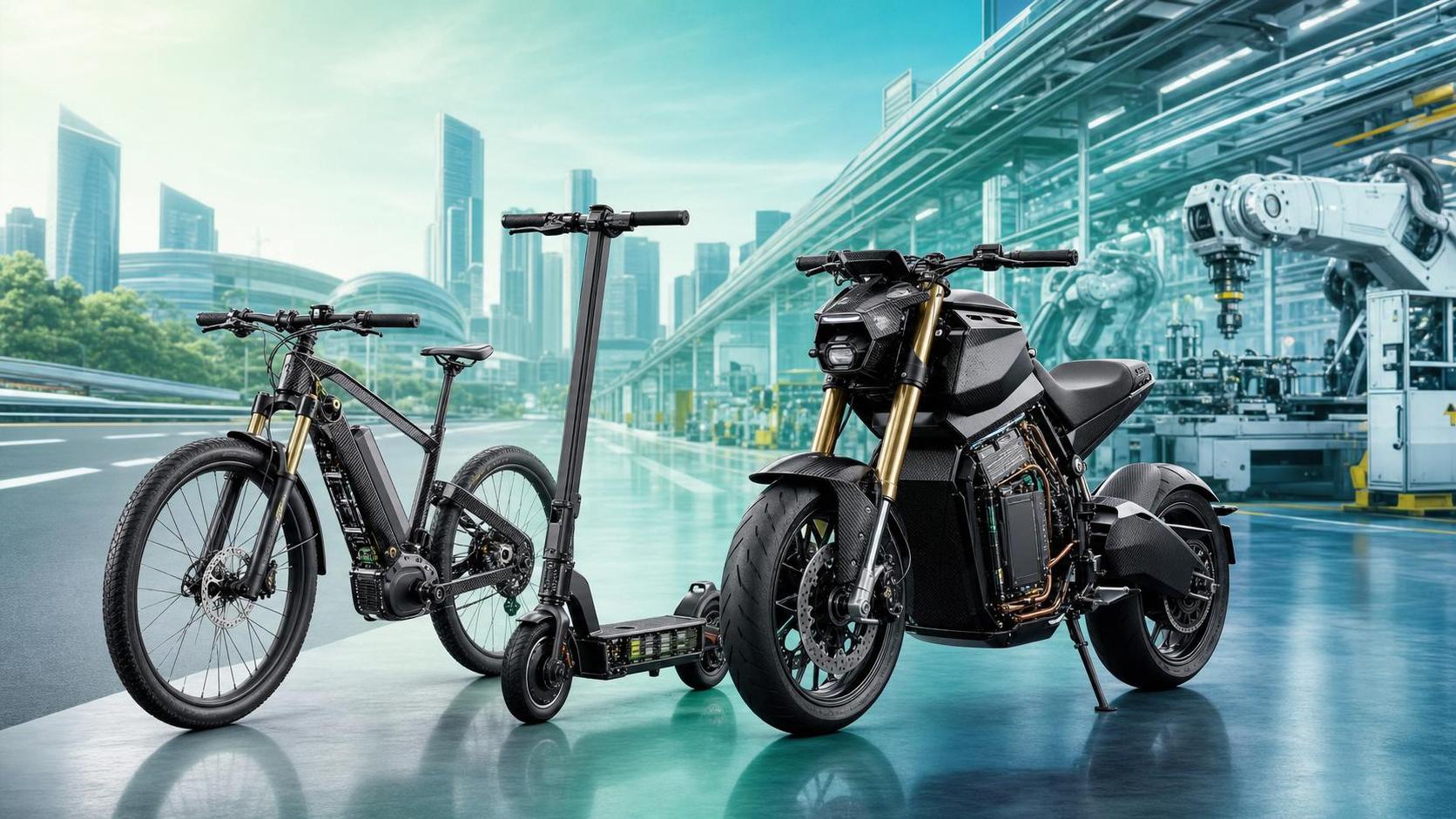
Decarbonized mobility solutions are entering a scale test
In 2026, decarbonized mobility solutions are no longer judged by vision alone.
They are being measured by operating economics, material efficiency, charging logic, and policy fit.
That shift matters across urban transport, premium cycling, sports tech, and advanced manufacturing.
The strongest signal is simple.
Markets are moving away from isolated pilot programs toward systems that can survive real usage density.
For ACMD’s focus areas, this means e-bikes, smart e-scooters, high-speed e-motorcycles, electronic drivetrain components, and carbon fiber structures are now part of one decision chain.
The question is not which category looks most futuristic.
The question is which decarbonized mobility solutions scale with lower friction, better margins, and clearer compliance.
Why the market is becoming more selective
Recent demand patterns show a tougher investment climate for mobility platforms.
Capital still supports decarbonized mobility solutions, but it now expects proof of utilization and service resilience.
At the same time, cities want measurable emissions reduction without creating curbside disorder or battery safety concerns.
This is why the market favors integrated solutions rather than single-feature products.
A lightweight frame, for example, only creates scale value when it improves range, durability, and maintenance intervals together.
The same logic applies to wireless shifting systems and intelligent scooter fleets.
Performance gains need to translate into fleet uptime, rider confidence, and lower lifecycle cost.
- Regulation is tightening around battery transport, recycling, and urban right-of-way.
- Consumers are more willing to pay premiums for dependable low-carbon mobility and advanced ride feel.
- OEMs are under pressure to cut weight without compromising stiffness, safety, or serviceability.
- Software is becoming central to power delivery, theft prevention, geofencing, and drivetrain responsiveness.
This mix of pressure and opportunity is exactly where decarbonized mobility solutions begin to separate into scalable and fragile models.
What is scaling faster across two-wheeled mobility
Not every low-carbon format is moving at the same speed.
Some categories benefit from existing infrastructure and familiar user behavior.
Others depend on new rules, new charging habits, or expensive support networks.
E-bikes remain one of the most bankable decarbonized mobility solutions because they align with daily behavior.
They reduce fuel dependence, fit existing bike lanes, and support both commuting and recreation.
Smart e-scooters scale where municipalities accept data-led traffic control.
High-speed e-motorcycles scale more selectively, usually where premium demand and swapping networks develop together.
The less visible winners are materials and transmission intelligence
A notable change in 2026 is that decarbonized mobility solutions are being evaluated at component level.
That gives advanced materials and drivetrain systems a bigger strategic role.
ACMD’s lens is useful here because scale is often decided by engineering details, not only final vehicle branding.
Carbon fiber frames, for instance, are no longer just premium styling statements.
When layup precision and monocoque manufacturing are optimized, lower mass can reduce battery load and improve handling stability.
That improves energy use per trip and extends the value of each charge cycle.
Electronic derailleur systems show a similar pattern.
Millisecond-level shifting improves power transfer, especially in mixed terrain and high-output riding conditions.
In practical terms, better transmission logic can deliver smoother torque use and less wasted rider energy.
These are small gains individually, yet they compound across fleets, sports equipment, and premium exports.
Why this matters beyond the bike segment
Lightweighting and control intelligence are spreading across the broader mobility stack.
The same design mindset supports delivery vehicles, urban logistics devices, and compact electric platforms.
That makes component innovation one of the most transferable decarbonized mobility solutions in the market.
Regulation is no longer a side topic
Policy support still matters, but the nature of support is changing.
Broad enthusiasm for green transport is giving way to narrower rules on safety, recyclability, traceability, and public space use.
That creates a more disciplined environment for decarbonized mobility solutions.
The winners are usually the systems that can document emissions value and operational control.
- Battery passports and recycling pathways are becoming commercial requirements, not future concepts.
- Geofencing and remote diagnostics help mobility operators stay aligned with local road-use rules.
- Material traceability is gaining relevance as lightweight composites move deeper into regulated transport categories.
- Subsidy access increasingly depends on performance evidence rather than category labels alone.
This also changes how cross-border growth should be read.
A product that scales in one city may fail in another if curb policy, charging access, or fleet rules differ materially.
So market expansion for decarbonized mobility solutions now depends on regulatory translation as much as technical replication.
Where the commercial upside is becoming more durable
The durable upside is not limited to vehicle sales.
It is appearing in data services, maintenance ecosystems, premium components, and modular upgrades.
That is why decarbonized mobility solutions are attracting interest from both mobility operators and advanced industrial suppliers.
A high-end e-bike platform can support revenue through batteries, software locks, connected diagnostics, and replacement drivetrain parts.
A smart scooter fleet becomes more defensible when route data improves deployment efficiency and municipal compliance.
A high-speed e-motorcycle brand becomes more credible when thermal stability and swap compatibility reduce ownership anxiety.
The key theme is durability of advantage.
Decarbonized mobility solutions scale better when hardware, software, and materials reinforce each other over time.
What deserves attention over the next planning cycle
The next planning cycle should start with a realistic reading of scale conditions.
Headline growth is less useful than evidence from service life, rider retention, regulation, and energy efficiency.
From that perspective, several questions stand out.
- Which decarbonized mobility solutions reduce emissions and maintenance at the same time?
- Which categories benefit from lightweight materials without creating repair bottlenecks?
- Which software functions improve safety, fleet discipline, or drivetrain efficiency in measurable ways?
- Which regions offer aligned incentives, road rules, and consumer readiness?
- Which supply chain nodes remain exposed to battery rules, tariffs, or composite material volatility?
The most useful response is not to chase every format at once.
It is to compare scalable use cases, validate technical assumptions, and build phased responses around verified demand.
In 2026, decarbonized mobility solutions will keep expanding, but scale will favor the disciplined.
That means watching regulation closely, stress-testing materials and drivetrain performance, and prioritizing applications where low-carbon value is operationally visible.
The next step is practical.
Track market signals by segment, compare lifecycle metrics across technologies, and build a staged roadmap before committing expansion capital.
Related News