
Electric Bicycles Market Trends: What to Watch in 2026

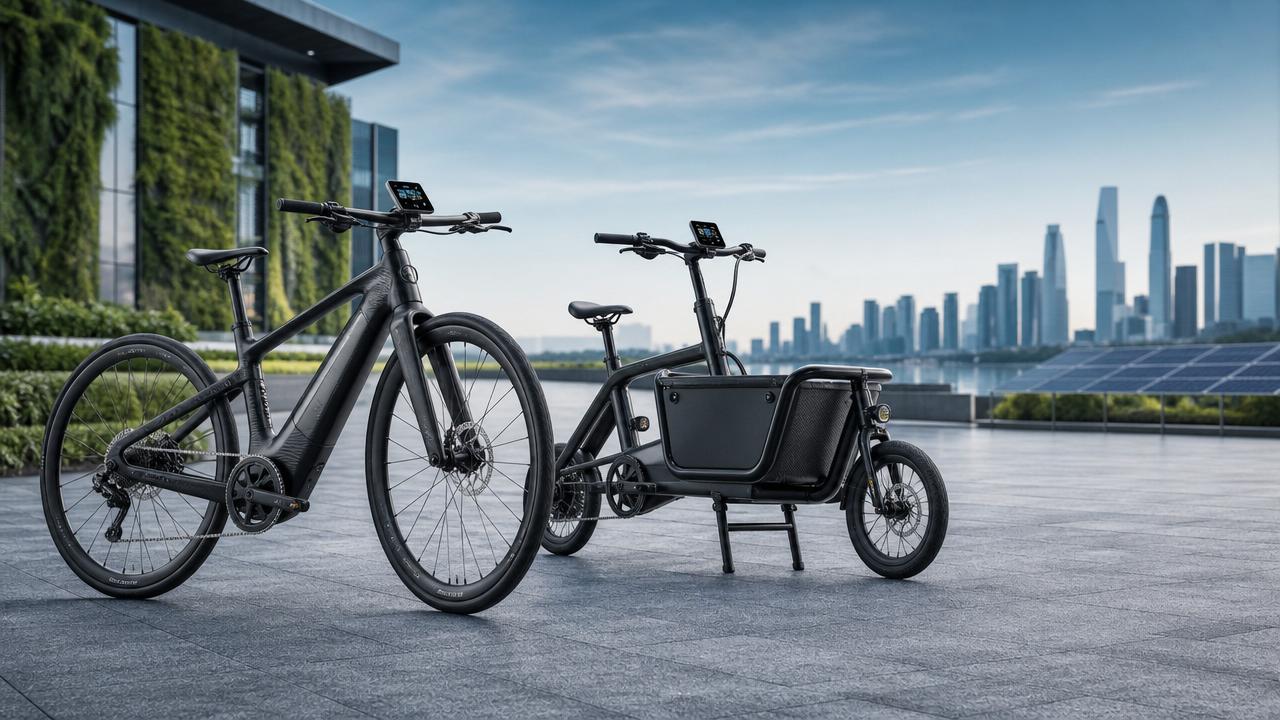
The Electric Bicycles market heading into 2026 is no longer defined by volume alone.
Growth still matters, but market leadership is shifting toward regulation readiness, battery strategy, digital integration, and premium engineering.
That change makes Electric Bicycles relevant far beyond mobility retail.
They now sit at the intersection of urban transport policy, sports technology, advanced materials, and low-carbon industrial planning.
For platforms such as ACMD, which track drivetrain precision, lightweight composites, and micro-mobility intelligence, this market is becoming a live map of where technical value converts into commercial advantage.
Why 2026 looks different from the previous growth cycle
Early expansion in Electric Bicycles was supported by pandemic-era demand, urban congestion, and public incentives.
By 2026, the easier phase is over.
The market is moving from broad adoption to selective competition.
That means buyers, distributors, and city partners are comparing not only price, but also safety compliance, software stability, component sourcing, and lifecycle economics.
In practical terms, Electric Bicycles are becoming a systems business.
Motor efficiency, frame stiffness, battery durability, and connected features increasingly influence the same purchase decision.
This is especially important in Europe, where post-pandemic export momentum created a large installed base, but also raised expectations for reliability and product differentiation.
Electric Bicycles are expanding into several value layers
It helps to stop viewing Electric Bicycles as a single product category.
The market now includes commuter models, cargo platforms, urban premium bikes, performance mountain e-bikes, and fleet-oriented formats.
Each segment responds to different value drivers.
This segmentation matters because market signals can look positive in one layer and weak in another.
A general sales number rarely explains where margin quality is improving.
Regulation and subsidy design will shape competitive access
One of the biggest 2026 trends is regulatory fragmentation.
Rules for speed classes, battery transport, recycling, urban road access, and product certification are evolving at different speeds across regions.
For Electric Bicycles, policy is no longer background noise.
It directly affects market entry, product design, warranty exposure, and channel strategy.
Subsidies are changing as well.
Instead of broad consumer support, more programs are tying incentives to commuting outcomes, local sourcing, decarbonization goals, or fleet deployment.
That shift rewards businesses that can map policy to product architecture early.
ACMD’s intelligence approach is useful here because it connects right-of-way rules and green subsidy shifts with component and platform decisions.
What to monitor closely
- Updates in battery certification and cross-border shipping requirements
- City-level access policies for commuter and cargo Electric Bicycles
- Repairability, recycling, and extended producer responsibility rules
- Import pressure, anti-dumping actions, and local assembly incentives
Battery performance is shifting from headline range to total operating value
Battery innovation remains central, but the conversation is becoming more mature.
Range still sells, yet by 2026 the stronger differentiator may be predictable performance across temperature, charging cycles, safety profiles, and service life.
That matters in both consumer and fleet settings.
A battery that performs well in a test environment but degrades quickly in real urban use creates hidden cost and brand risk.
Electric Bicycles with stronger battery management systems can therefore command better long-term value, even if their upfront specification looks less dramatic.
Thermal management, charging logic, and battery pack integration will become more visible in purchasing decisions.
The same is true for supply resilience.
Companies that rely on a narrow battery sourcing base may find themselves exposed to regulatory or logistics disruptions.
Materials and drivetrains are moving into the center of brand strategy
In the next phase of Electric Bicycles growth, engineering detail will increasingly shape premium positioning.
This is where ACMD’s focus on carbon fiber frames and precision transmissions becomes especially relevant.
Lightweight materials are not only about lower mass.
They affect ride dynamics, battery efficiency, comfort, and the visual identity of the product.
Similarly, drivetrain systems are no longer a background component set.
Electronic shifting, anti-interference logic, and precise power transfer can influence perceived quality as much as motor output does.
For premium and performance Electric Bicycles, the balance between motor assistance and mechanical refinement is likely to be a defining theme in 2026.
Brands that treat frames, drivetrains, and battery systems as one integrated experience are better positioned to defend margins.
Smart connectivity is becoming a business function, not just a feature
Connected Electric Bicycles once leaned heavily on convenience messaging.
Now connectivity supports security, diagnostics, usage analytics, firmware updates, and fleet visibility.
That creates new business models, but also new obligations.
Data governance, software reliability, and long-term platform support are moving into due diligence.
For shared mobility operators and commercial fleets, connected Electric Bicycles can improve uptime and route-level efficiency.
For premium retail, they can strengthen security and after-sales engagement.
The risk is feature overload without operational clarity.
In 2026, the winning digital layer will be the one that lowers ownership friction, not simply adds interface complexity.
Where the strongest opportunities may emerge
The most attractive opportunities in Electric Bicycles are likely to come from focused use cases rather than broad claims.
Urban commuting remains important, but cargo delivery, corporate mobility programs, tourism fleets, and performance recreation may produce clearer differentiation.
These segments reward specialized design choices.
A cargo platform needs durable frames and dependable battery uptime.
A premium commuter bike needs lower maintenance, better anti-theft systems, and refined ride quality.
A performance e-MTB depends more on weight balance, torque delivery, and drivetrain response.
This is why market reading must stay close to application context.
Broad trend reports are useful, but operational decisions require segment-level intelligence.
Useful decision filters for 2026
- Separate volume growth from profitable, supportable growth
- Evaluate battery and software roadmaps together
- Test whether lightweight materials create measurable user value
- Track regional compliance risk before scaling channels
- Prioritize serviceability as much as performance claims
How to read the market without being distracted by noise
Not every signal in Electric Bicycles deserves the same weight.
Headline launches, short-term discounting, and isolated subsidy moves can distort perception.
A more reliable view comes from connecting technical evolution with policy structure and end-use economics.
That is where specialized intelligence becomes valuable.
When composite material performance, electronic drivetrain logic, and urban mobility policy are read together, a clearer picture emerges.
Some Electric Bicycles will compete as hardware.
Others will compete as integrated mobility platforms.
Understanding which model applies in each segment will shape better investment, partnership, and product decisions.
As 2026 approaches, the best next step is not to chase every trend.
It is to build a sharper framework for judging which signals matter in a specific market, product tier, and operating environment.
For anyone tracking Electric Bicycles seriously, that means comparing regulation, technology, materials, and service assumptions as one connected system.
The businesses that do this early will be better prepared to spot durable value before it becomes obvious to the wider market.
Related News